Quick Overview on ACT Why Acoustic Ceilings Matter More Than You Think Most people overlook the ceiling when designing a quiet room — yet it’s often the largest reflective surface in the space. Every phone call, footstep, and HVAC hum bounces off that hard drywall or tile and spreads throughout the room. That’s why so […]
Category Archives: Sound Advice

07
Nov
Nov
Why Sound Still Amazes Us Sound surrounds us every second of the day — from the 32 Hz hum of city traffic to the 20,000 Hz buzz of a cicada. It shapes mood, focus, and even how buildings feel. Despite being invisible, sound is energy you can measure, control, and design with precision. Whether you’re […]
07
Nov
Nov
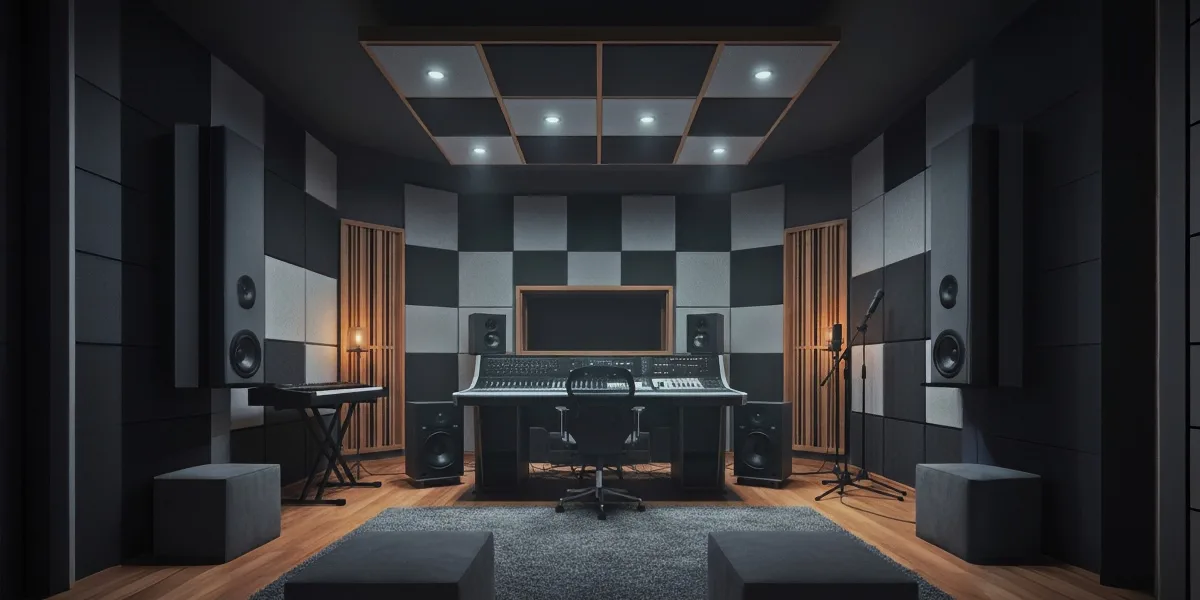
Why Sound Absorbing Materials Matter Sound absorbing materials are essential for reducing echo, controlling reflections, and improving speech clarity. Whether in a music studio, open office, or classroom, the right acoustic materials help create a balanced, comfortable environment. Without absorption, even the best sound systems and designs suffer from harsh reflections and reverberation that make […]

05
Nov
Nov
Absorption Coefficients of Common Building Materials The sound absorption coefficient (α) measures how much sound energy a surface absorbs at specific frequencies. Values range from 0.00 (highly reflective) to 1.00 (highly absorptive). The data below helps you compare common materials and finishes across octave bands. Use these values when selecting finishes, estimating reverberation times, or […]
04
Nov
Nov
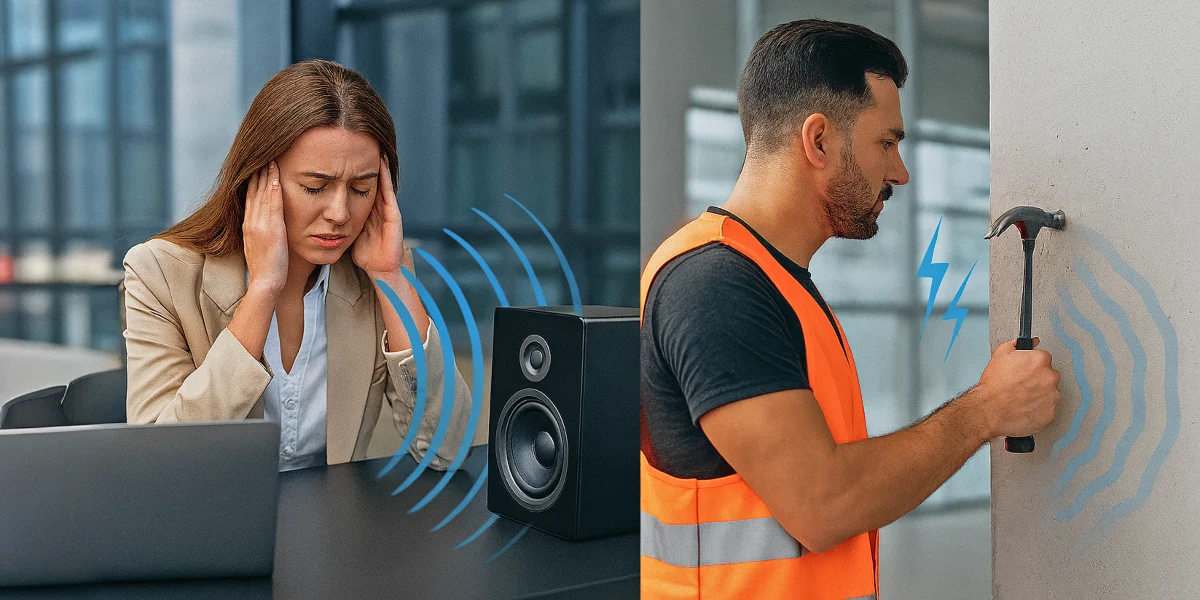
Why the Difference Matters Every noise problem in a building starts with one question: is it airborne or structure-borne? Knowing which type you’re dealing with determines how to solve it. Airborne noise moves through open air — voices, televisions, barking dogs, or passing traffic — while structure-borne noise travels through solid materials such as floors, […]

04
Nov
Nov
Understanding the Physics Behind Sound Speed Sound isn’t just something we hear—it’s vibration energy moving through matter. Whether it’s a shout, a hammer strike, or a subwoofer pulse, all sound waves rely on molecules bumping into each other to carry that energy forward. The difference between air and concrete comes down to how easily those […]

28
Sep
Sep
Why Acoustic Ceilings Matter in Modern Design Acoustic ceilings are a critical part of modern commercial design. Whether in offices, schools, healthcare facilities, or performing arts venues, they balance performance and aesthetics. The right ceiling tile helps architects and engineers reduce noise, control reverberation, and enhance the overall experience of a space. By considering both […]

30
May
May
Design & Performance Benefits of Specialty Ceilings Specialty ceilings blend acoustics & aesthetics into one design feature. While traditional acoustic ceiling tiles work, many projects call for something more dynamic. Options like baffles, clouds, and stretched fabric turn ceilings into both performance systems & visual statements. These choices reduce reverberation, improve clarity, and support branding […]
05
Jan
Jan
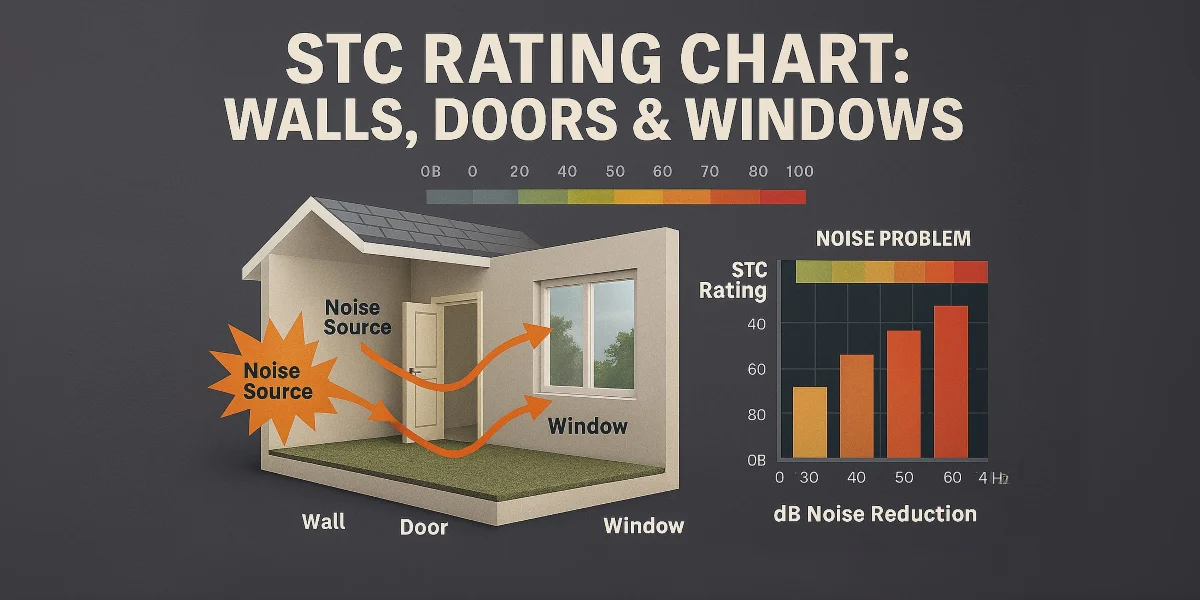
What Is an STC Rating? STC ratings help architects and engineers evaluate how effectively walls and partitions reduce noise transfer. Use the chart below to identify assemblies that meet specific performance goals for privacy, comfort, or code compliance in multi-family, hospitality, and office projects. STC Rating Chart – Typical Assemblies Assembly Type Construction Example Typical […]
15
Jun
Jun
Introduction: Fabric Walls & Acoustic Wall Coverings When “WC” (Wall Covering) appears on an architectural drawing set, it may refer to a standard wall finish, an acoustic wall covering, or a stretched fabric wall system. These products differ in construction, thickness, and sound absorption — making it essential to know what’s being specified. For architects […]