Why Machine Vibration Matters From manufacturing plants to schools and offices, nearly every building relies on mechanical equipment. When these systems run, they vibrate—creating both audible noise and low-frequency rumble that can travel through the building’s structure. Understanding what causes vibration and how to control it is the first step toward preventing costly downtime and […]
Category Archives: Sound Advice
Why MLV Sound Barriers Matter Mass Loaded Vinyl (MLV) is one of the most trusted materials for controlling airborne noise in construction. It provides a high level of sound isolation without heavy materials or complicated installation. Builders, architects, and acoustic consultants rely on MLV to meet strict STC requirements while saving on labor and space. […]
Why Church Acoustics Matter Church acoustics aren’t just about loudspeakers — they’re about how sound interacts with the architecture itself. From vaulted ceilings to plaster walls, every surface in a worship space affects how voices and instruments carry. If the room is too “live,” reverberation blurs words. Too “dead,” and music loses warmth. The goal […]
Design Overview: Building an Auditorium That Sounds as Impressive as It Looks Whether it’s a lecture hall or a concert space, every great auditorium shares one common quality—clarity. Auditorium acoustics defines how well speech, music, and performances translate across every seat. Poorly controlled reverberation, intrusive background noise, or sound leakage between spaces can make even […]
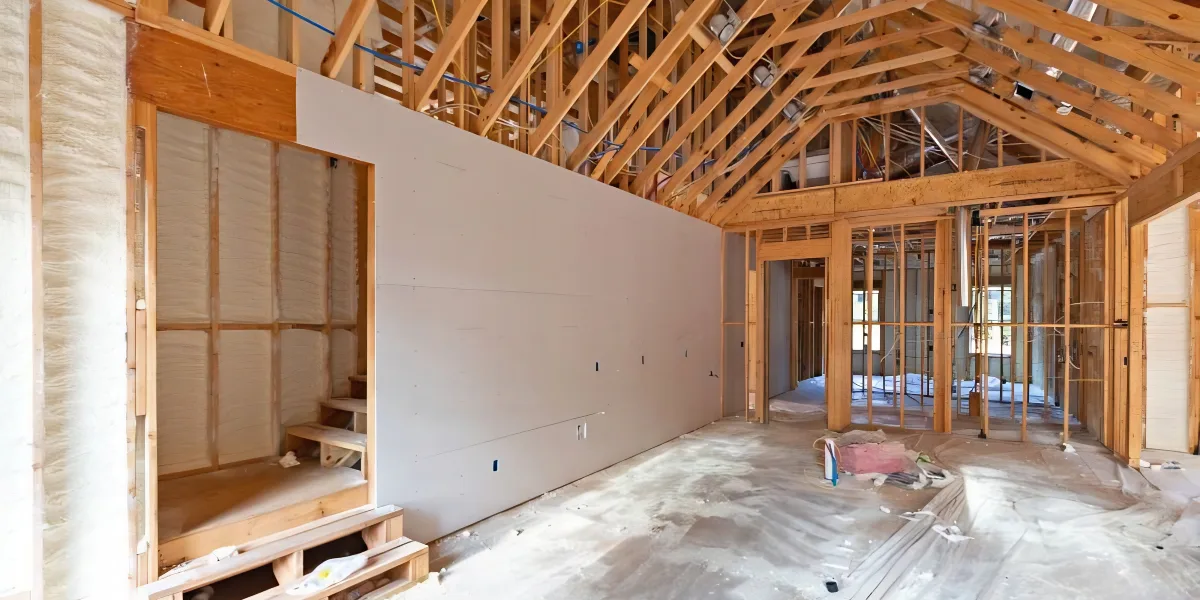
Overview: Smarter, Faster, and Quieter Construction When noise is a problem, the first instinct for many contractors is to double up on drywall. While adding more layers may seem logical, the reality is that layered drywall adds significant time and cost with only minor improvements in sound isolation. Wall Blokker provides a smarter solution. It’s […]
What IIC and STC Actually Measure STC and IIC are the two ratings that govern almost every multi-family and hotel acoustic specification in the United States. STC handles airborne sound — voices, music, television, HVAC noise, anything that travels through the air. IIC handles impact sound — footfall, dropped objects, furniture moving, anything that strikes […]
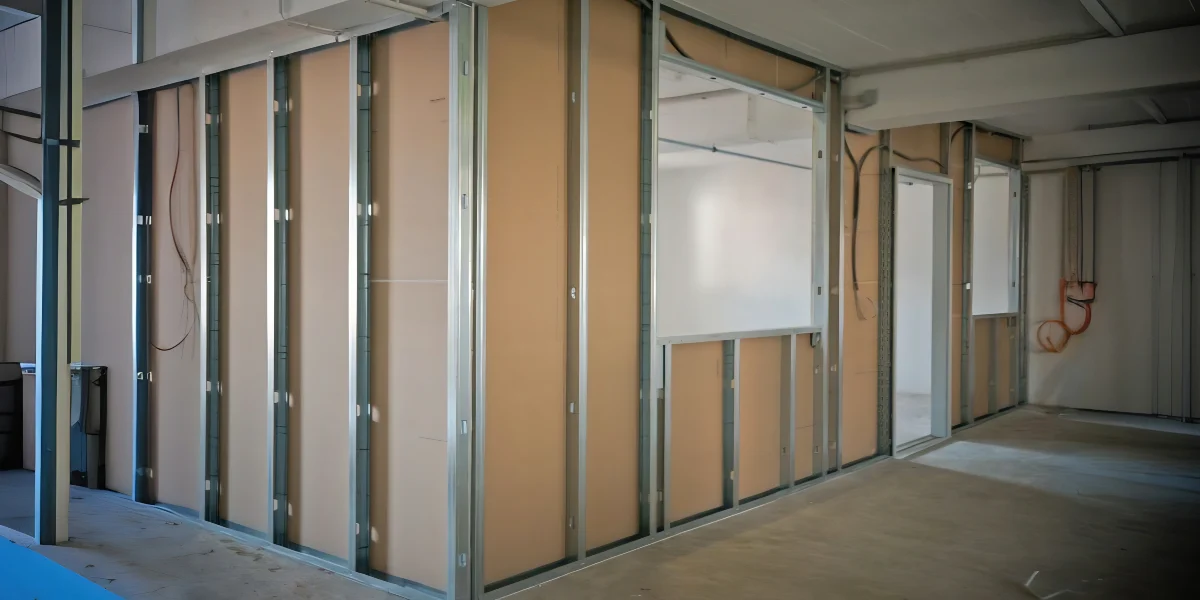
Overview: A Better Alternative to Acoustic Drywall Acoustically enhanced gypsum boards like QuietRock and SoundBreak XP are marketed as high-performance soundproofing materials for walls and ceilings. These products use a viscoelastic polymer core to dampen vibration between two gypsum sheets. While effective in limited-space conditions, they’re heavy, expensive, and slow to install, especially on large […]
Why STC Rating Matters in Movie Theater Soundproofing Soundproofing a movie theater isn’t just about comfort—it’s about preserving the full cinematic experience. Viewers should feel the impact of a film’s soundtrack without hearing the next theater over. Achieving that starts with understanding the STC rating for movie theaters and how wall design affects real-world soundproofing […]
Why Outdoor Noise Control Matters While interior acoustics get the most attention, outdoor soundproofing plays an equally critical role. Continuous traffic, HVAC units, and nearby construction all contribute to elevated background noise levels that affect both comfort and productivity. In the U.S., acoustic planning is often reactive—addressed only after noise complaints—unlike Europe, where pre-development sound […]
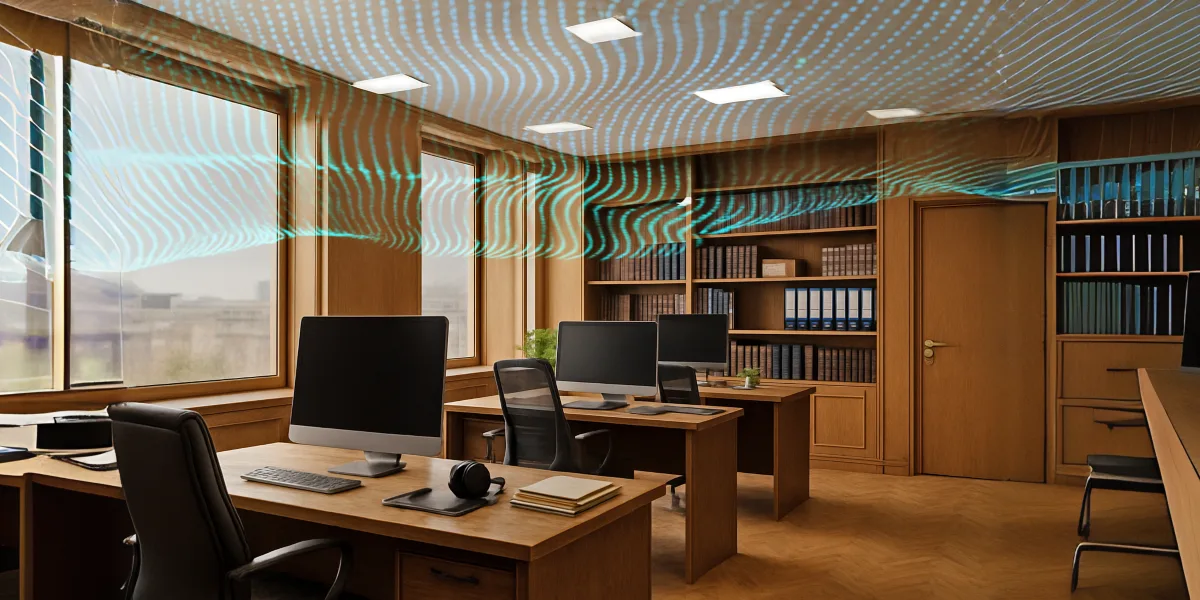
The Challenge of Mechanical Noise Control Mechanical noise shows up in every type of building — hospitals, manufacturing plants, offices, schools, and mixed-use developments. The challenge is that this noise typically comes from vibration, airflow turbulence, or panel resonance, and those problems travel easily through slabs, ductwork, and steel structures. The solution is almost always […]