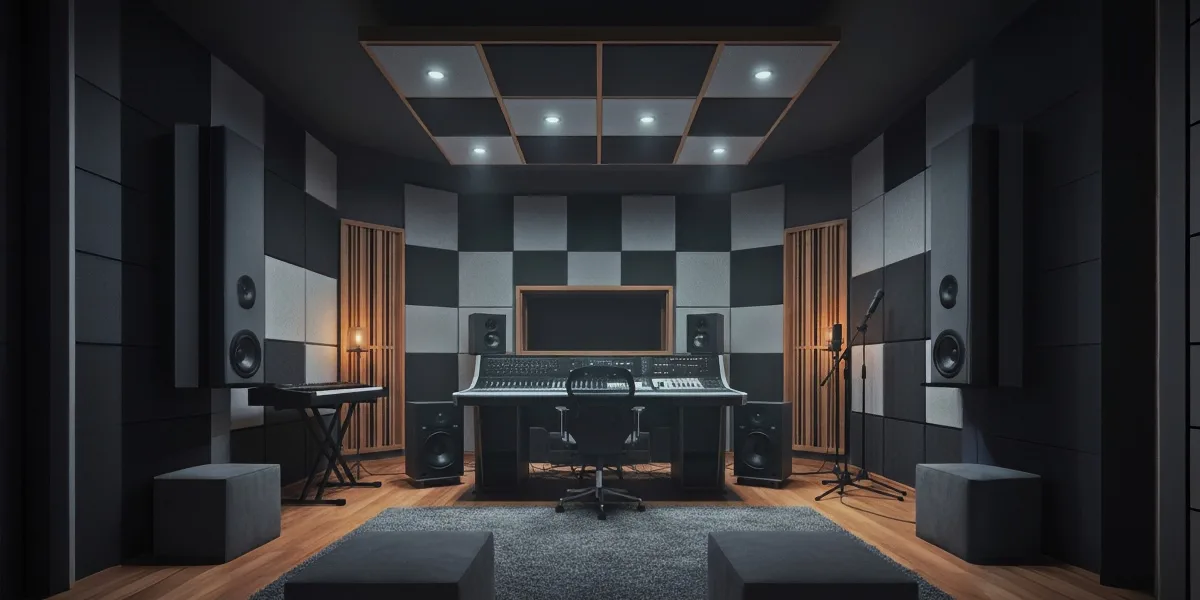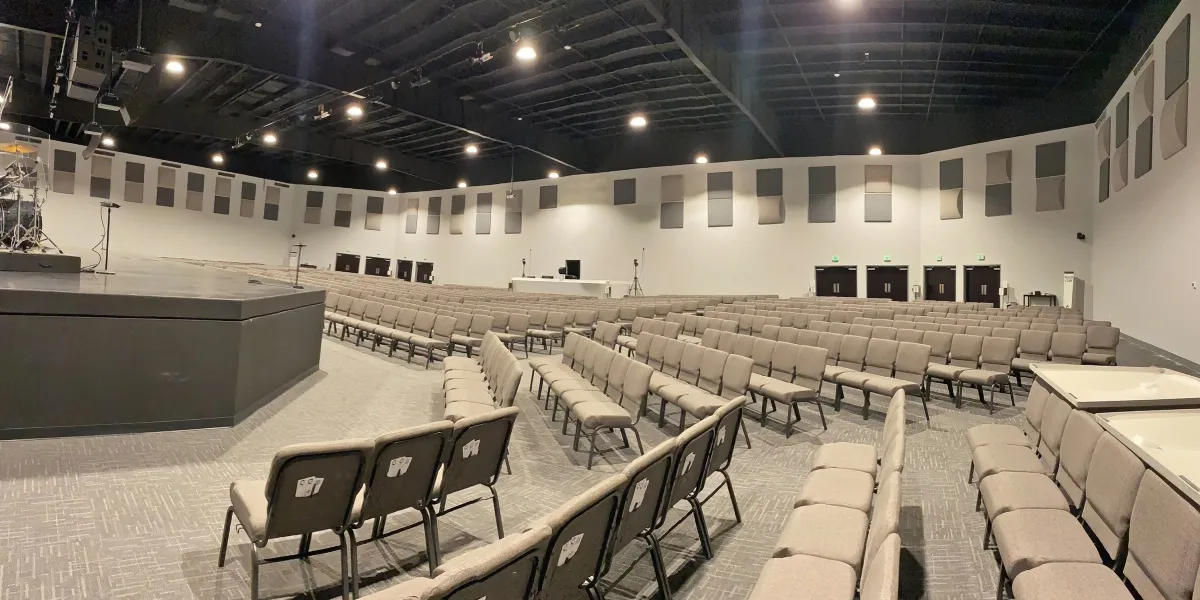
Church Acoustical Design Criteria Church acoustical design balances two goals that pull in opposite directions. The first is reverberation: enough decay time for music to feel full and for the congregation to feel like they are singing together rather than singing alone. The second is speech intelligibility: a short enough decay that every word from […]
Category Archives: Sound Advice
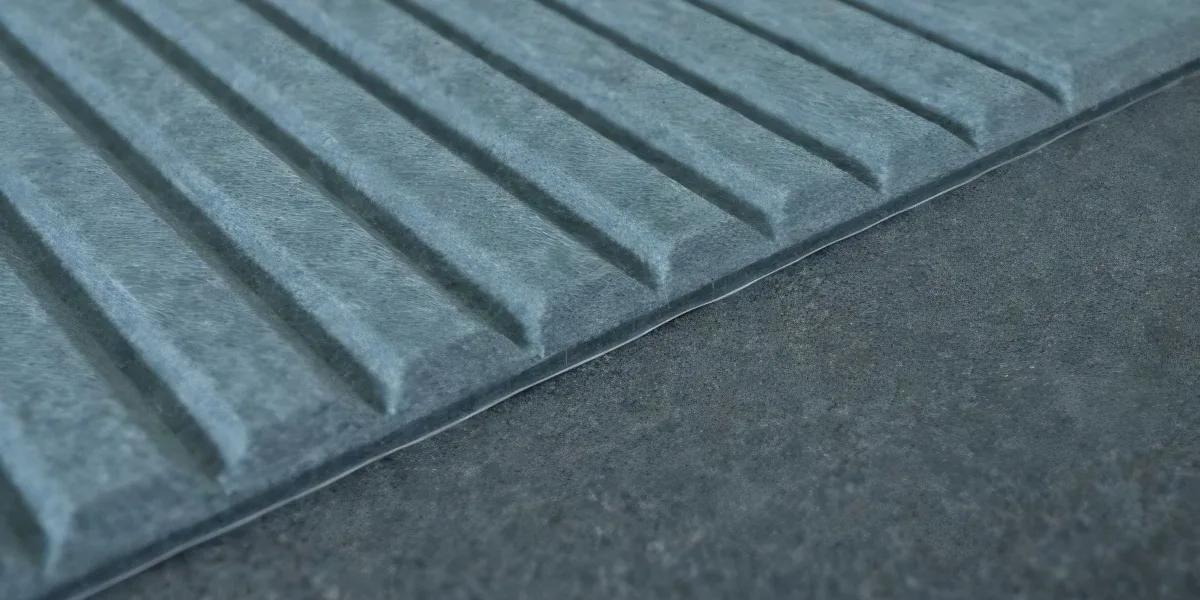
What Is 2 lb Mass Loaded Vinyl? 2 lb Mass Loaded Vinyl (MLV) is a dense, flexible membrane engineered to stop airborne and structure-borne sound. Twice the weight of standard 1 lb MLV, it offers enhanced low-frequency control—especially for mechanical equipment, HVAC systems, and spaces demanding quiet precision. While it’s heavier and more expensive than […]
TL;DR — The Three-Trial Test in One Glance How Many Acoustic Panels Does a Room Actually Need? The honest answer is the one most acoustic articles avoid: it depends on the room. Volume, finishes, target reverberation time, and program use all factor in. Guessing a panel count from rough-room-size rules will get you in the […]
What Is the Sound Absorption Coefficient The sound absorption coefficient quantifies how effectively a surface converts sound energy into heat. Materials with higher coefficients reduce echo and improve speech clarity in offices, schools, and hospitality spaces. It’s one of the key metrics used by architects and acoustic consultants when designing comfortable interior environments optimized for […]
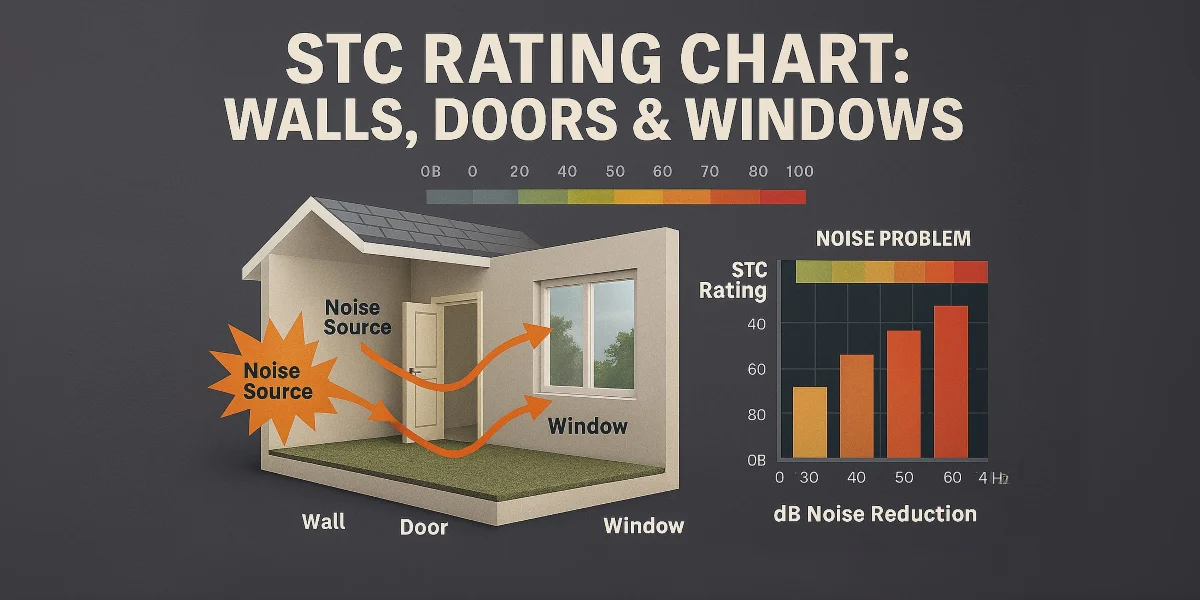
Why STC 40 Matters in Wall Design STC 40 walls provide moderate privacy but still allow normal speech to pass through. In commercial or light industrial applications, this level may be acceptable—but for residential and hospitality projects, it’s the starting point for improvement. Understanding how framing choices affect STC is key to designing stronger and […]
What STC Means in Construction An STC rating (Sound Transmission Class) measures how well a wall, floor, or ceiling assembly blocks airborne sound such as speech, music, or television noise. The higher the number, the better the sound isolation. STC ratings are determined through laboratory testing that measures how much sound energy is lost as […]
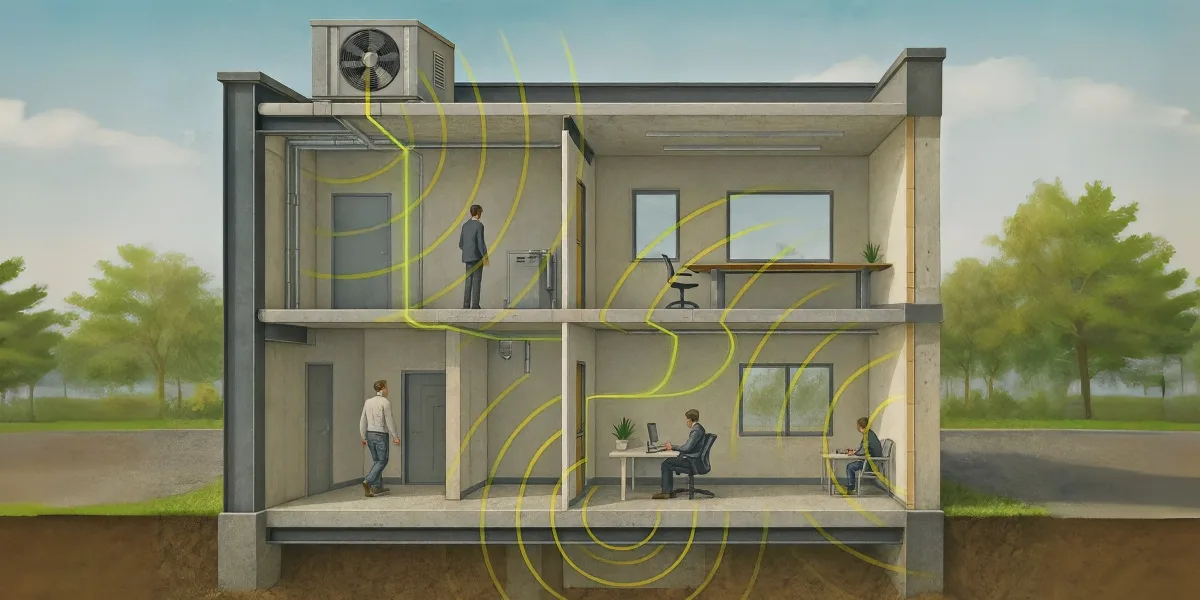
What Is Flanking Noise Flanking noise is sound that reaches a space through indirect paths such as ceilings, floors, ducts, or framing instead of passing directly through the separating wall. Even high-performance walls with excellent STC ratings can fail in the field if flanking paths allow sound to travel around them. In laboratory tests, flanking […]
Why Factory Noise Reduction Matters Factory noise is a major challenge across manufacturing environments. Heavy machinery, metal impacts, and vibration create constant noise that can exceed safe exposure limits. Uncontrolled sound doesn’t just impact hearing—it also affects concentration, communication, and morale. Learning how to reduce noise in factories helps protect workers, extend equipment life, and […]
Why Lecture Hall Acoustics Matter Lecture hall acoustics directly influence learning outcomes and audience engagement. Poorly designed rooms amplify echoes, blur speech, and make it difficult for listeners to follow the speaker—even when a microphone is used. Whether it’s a small college classroom or a 400-seat auditorium, sound reflections, background noise, and room geometry must […]
Why Open Plan Office Acoustics Matter Open-plan offices promote collaboration—but at the cost of privacy and quiet. Without the right acoustic design, sound reflections and overlapping voices make it difficult to concentrate or hold confidential discussions. By addressing the way sound behaves in open environments, companies can create workplaces that are both social and productive. […]