
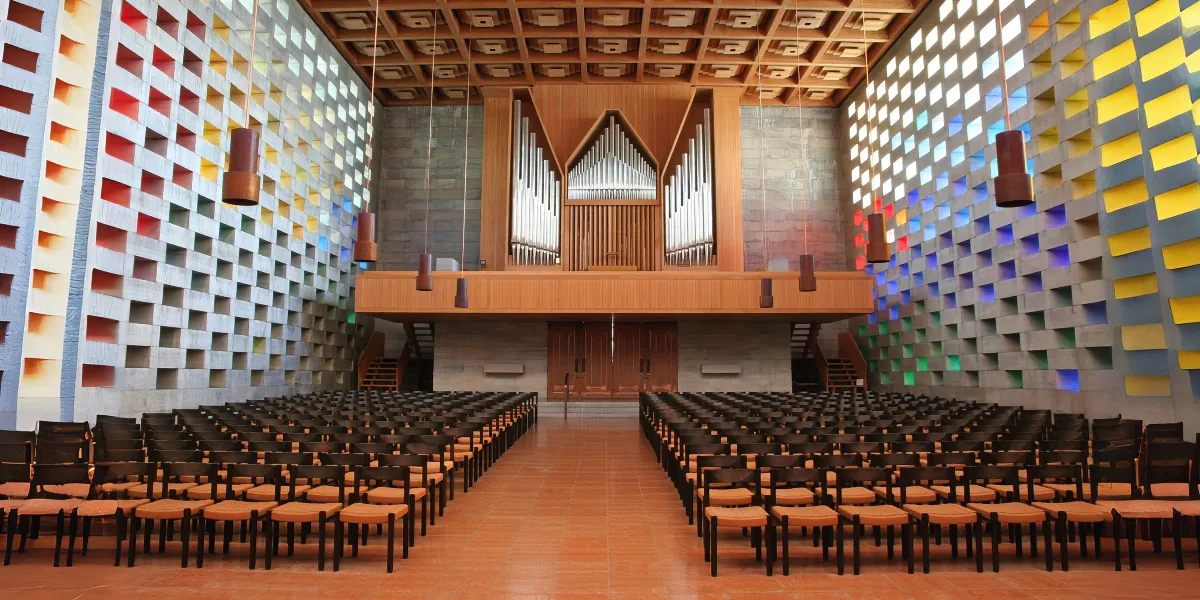
Why Church Acoustics Matter Church acoustics aren’t just about loudspeakers — they’re about how sound interacts with the architecture itself. From vaulted ceilings to plaster walls, every surface in a worship space affects how voices and instruments carry. If the room is too “live,” reverberation blurs words. Too “dead,” and music loses warmth. The goal […]
Category Archives: Sound Advice
25
Sep
Sep
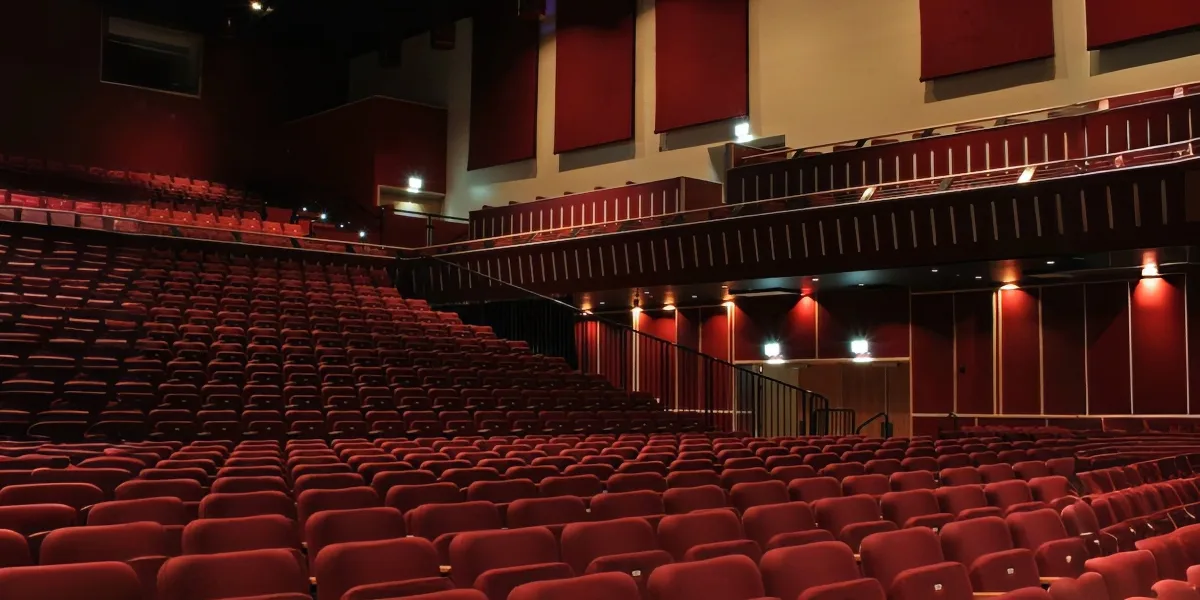
Design Overview: Building an Auditorium That Sounds as Impressive as It Looks Whether it’s a lecture hall or a concert space, every great auditorium shares one common quality—clarity. Auditorium acoustics defines how well speech, music, and performances translate across every seat. Poorly controlled reverberation, intrusive background noise, or sound leakage between spaces can make even […]

28
Aug
Aug
Overview: Smarter, Faster, and Quieter Construction When noise is a problem, the first instinct for many contractors is to double up on drywall. While adding more layers may seem logical, the reality is that layered drywall adds significant time and cost with only minor improvements in sound isolation. Wall Blokker provides a smarter solution. It’s […]

26
Apr
Apr
Overview: A Better Alternative to Acoustic Drywall Acoustically enhanced gypsum boards like QuietRock and SoundBreak XP are marketed as high-performance soundproofing materials for walls and ceilings. These products use a viscoelastic polymer core to dampen vibration between two gypsum sheets. While effective in limited-space conditions, they’re heavy, expensive, and slow to install, especially on large […]

17
Jan
Jan
Why STC Rating Matters in Movie Theater Soundproofing Soundproofing a movie theater isn’t just about comfort—it’s about preserving the full cinematic experience. Viewers should feel the impact of a film’s soundtrack without hearing the next theater over. Achieving that starts with understanding the STC rating for movie theaters and how wall design affects real-world soundproofing […]

11
Jan
Jan
Why Outdoor Noise Control Matters While interior acoustics get the most attention, outdoor soundproofing plays an equally critical role. Continuous traffic, HVAC units, and nearby construction all contribute to elevated background noise levels that affect both comfort and productivity. In the U.S., acoustic planning is often reactive—addressed only after noise complaints—unlike Europe, where pre-development sound […]

05
Jan
Jan
The Challenge of Mechanical Noise Control Mechanical noise shows up in every type of building — hospitals, manufacturing plants, offices, schools, and mixed-use developments. The challenge is that this noise typically comes from vibration, airflow turbulence, or panel resonance, and those problems travel easily through slabs, ductwork, and steel structures. The solution is almost always […]

02
Dec
Dec
Hotel Acoustics & Guest Experience Hotel acoustics drive the guest experience more than almost anything else. A beautiful room with great amenities still fails if noise leaks through walls, doors, ceilings, or mechanical systems. The acoustic challenges in hospitality come from speech and HVAC vibration, along with corridor noise, plumbing runs, and flanking paths that […]

13
Sep
Sep
The Real Problem With Office Background Noise Office background noise is one of the biggest disruptors in open offices, coworking spaces, and hybrid workplaces. Search data shows people specifically look for answers about office background noise and white noise side effects, so the real focus is helping readers understand how these sounds affect concentration. The […]
15
Aug
Aug
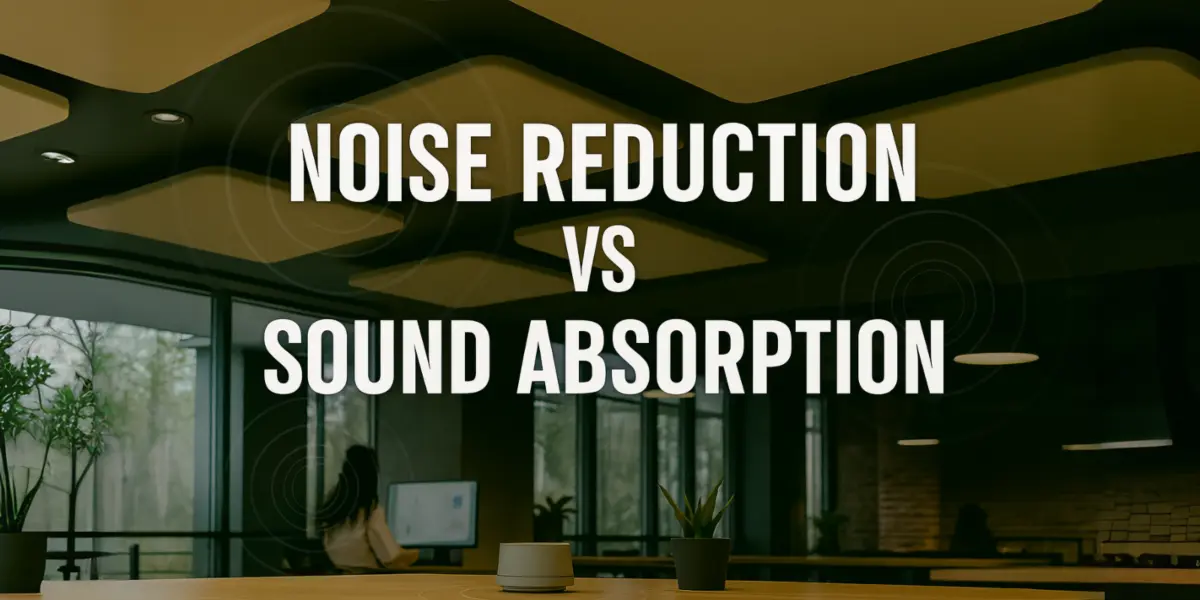
Understanding Noise Reduction Inside a Room There’s more confusion in acoustics around noise reduction and absorption than almost any other topic. Even seasoned architects mix up these terms, which leads to poor specs and costly corrections. Noise reduction (NR) refers to lowering the overall decibel level inside the source room, while sound absorption refers to […]