Table of Contents
TL;DR — The Three-Trial Test in One Glance
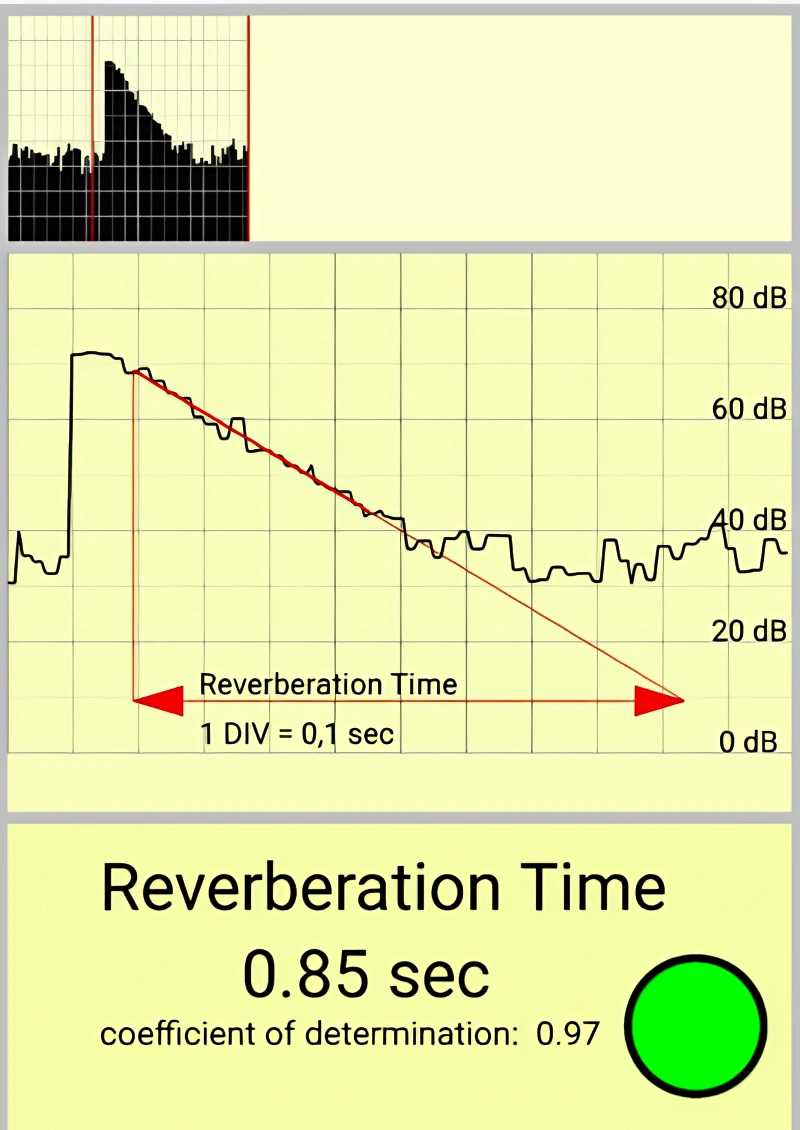
- Trial 1: 0 panels, RT60 = 0.85 seconds (untreated room)
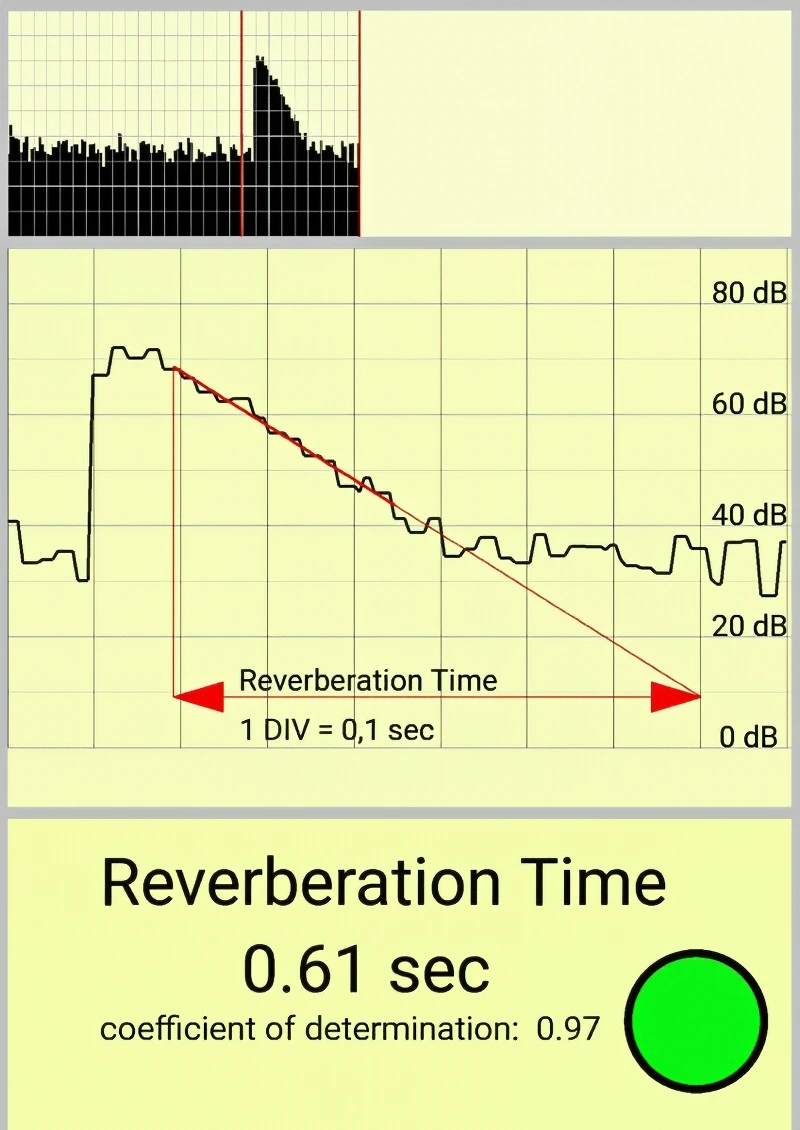
- Trial 2: 4 panels (2’×2′), RT60 = 0.61 seconds (–28%)
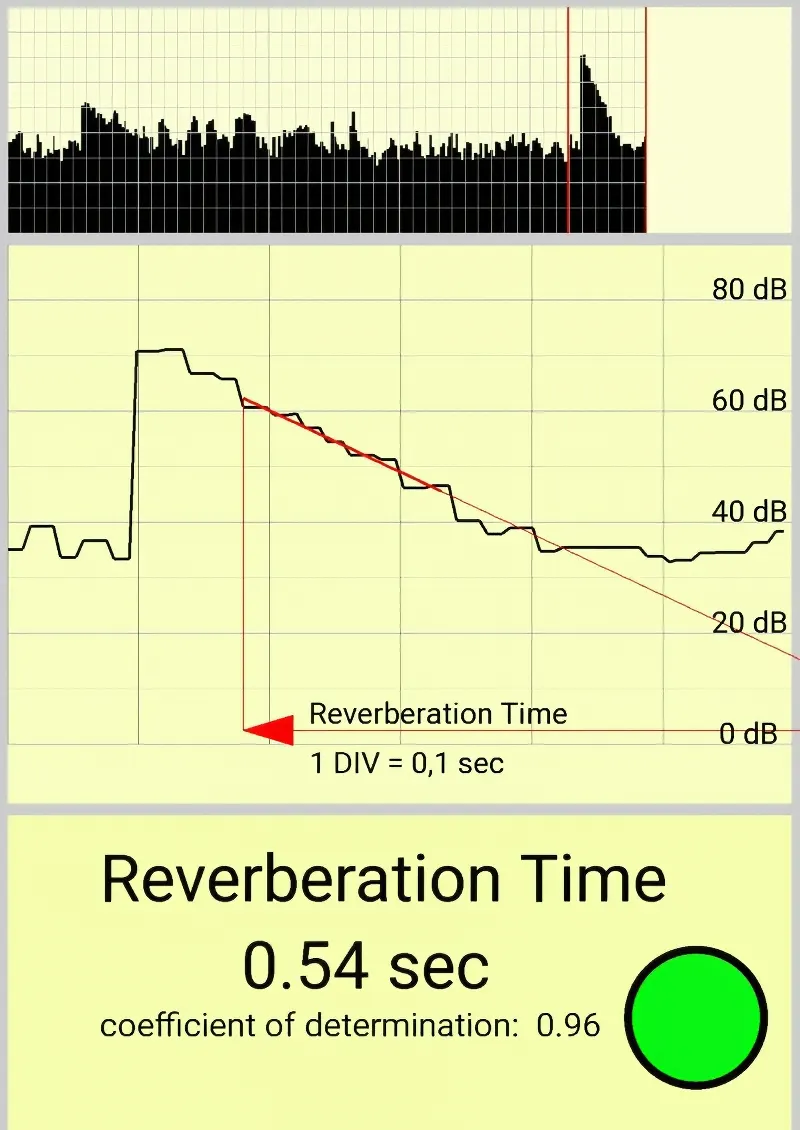
- Trial 3: 5 panels total (added a 2’×4′), RT60 = 0.54 seconds (–37% from baseline)
- Smartphone vs. Certified Meter: Within field-test tolerance — apps are usable for first-pass measurement
- Calculator Match: Our acoustical calculator predicted 0.85, 0.61, and 0.54 seconds across the three trials
How Many Acoustic Panels Does a Room Actually Need?
The honest answer is the one most acoustic articles avoid: it depends on the room. Volume, finishes, target reverberation time, and program use all factor in. Guessing a panel count from rough-room-size rules will get you in the ballpark for a small office and dramatically wrong for almost everything else.
The right way to size acoustic absorption is the Sabin formula, which converts a target reverberation time and room volume into a required quantity of absorbing material measured in Sabins. Once you know how many Sabins your room needs, dividing by the NRC of your chosen panel gives you the panel count.
This article walks through that math in plain language, then runs the numbers against a real-room three-trial test in our own conference room. By the end, you should be able to estimate panel quantity for your own room within a few units, then refine it with the room acoustics calculator.
The Sabin Formula in Plain English
- Sabin Equation: RT60 = 0.049 × (V / A), where V is room volume in cubic feet and A is total absorption in Sabins
- Solve for A: A = 0.049 × V / RT60
- Convert to Panels: Panel Count = (A required − A existing) / (NRC × Panel Square Footage)
- Plain Language: Bigger room or longer reverberation = more absorption needed
The Sabin formula traces back to Wallace Sabine’s 1900 reverberation work at Harvard. The math has not changed. What’s changed is how easy it is to plug in actual room values: every modern acoustic calculator runs the same equation under the hood, including ours.
The only inputs you really need are room volume (length × width × ceiling height in cubic feet), the existing finish absorption (NRC values for the floor, walls, and ceiling), and a target RT60 from the room program. Restaurant operators target 0.7 to 1.0 seconds; conference rooms target 0.5 to 0.8 seconds; recording studios target tighter still.
Test Setup: Why Real Measurement Beats Estimation
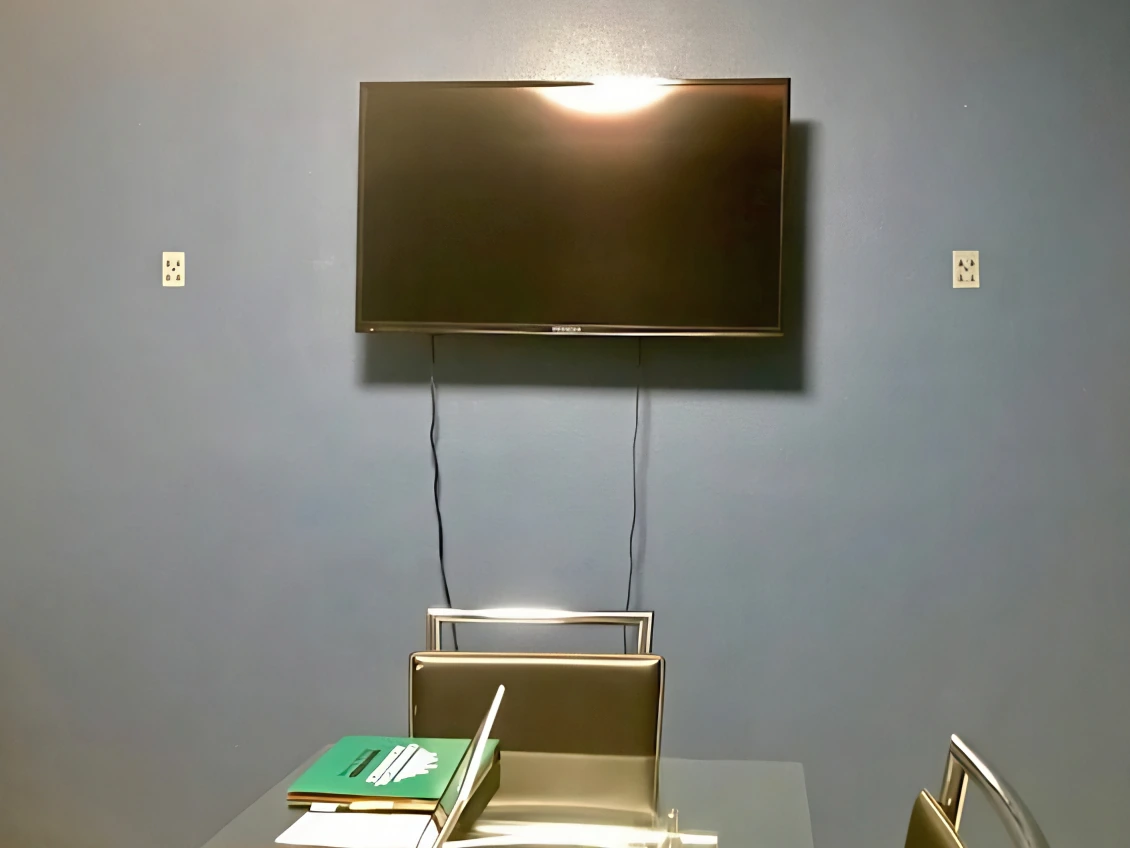
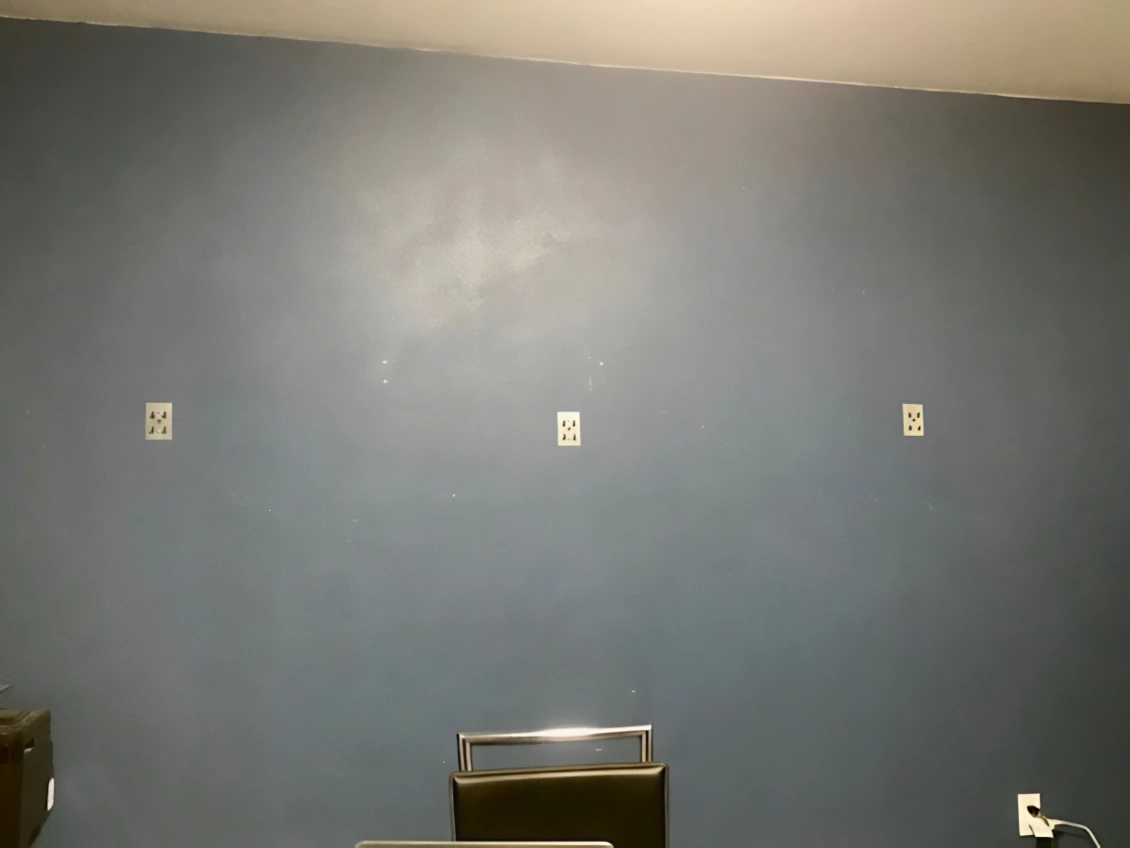
The Sabin formula gives you a target panel quantity from inputs. The only honest validation is to measure RT60 before and after, in the actual room, with a calibrated meter. We ran a three-trial test in our own square drywall conference room — flat walls, flat ceiling, hard finishes — to compare predicted RT60 against measured.
The room itself is the standard architect’s worst case for acoustics: square plan, parallel walls, hard ceiling, low-pile carpet. Every reflection path is wide open. That made it the right test bed for showing what panels actually do, since the untreated baseline starts loud.
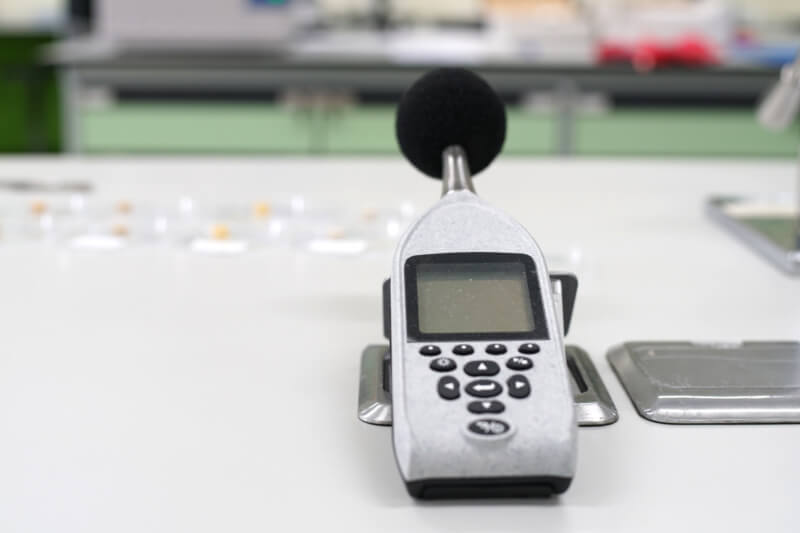
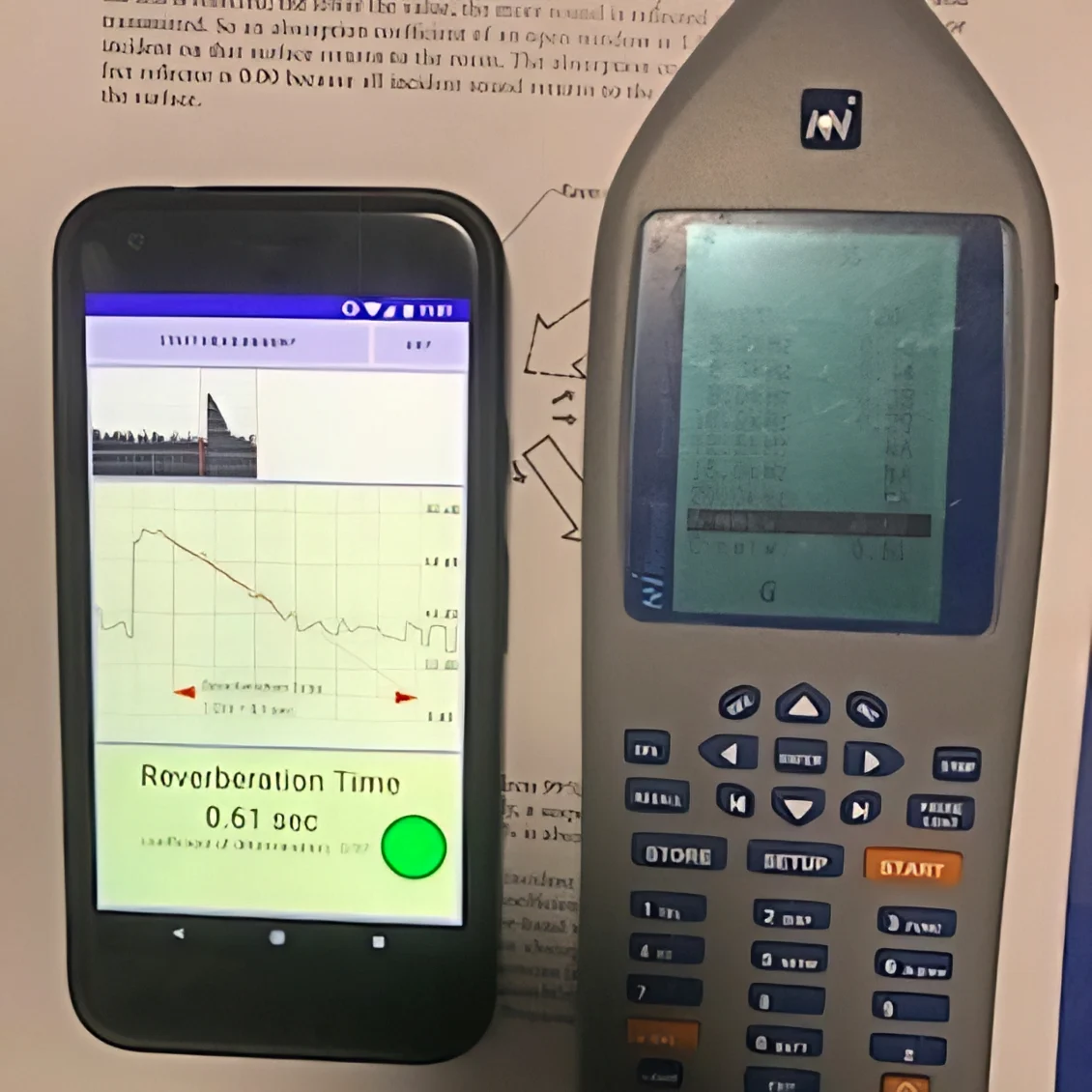
Each trial used a calibrated sound pressure level meter for the official measurement, plus a smartphone running an RT60 measurement app for the validation comparison. The smartphone result is the side experiment a lot of architects and operators ask about: can you really trust a phone app for first-pass acoustic measurement? Spoiler: yes, within a tolerance worth knowing.
Trial 1: Zero Panels, 0.85 Seconds RT60
The baseline measurement, with no acoustic panels in the room. RT60 came in at 0.85 seconds — long enough that conversation across the conference table felt strained, and a phone call on speaker would have produced obvious smear at the other end of the line.
0.85 seconds is over the working window for any speech-driven room. Conference rooms target 0.6 to 0.8 seconds; below that and the room can start to feel “dead” for casual conversation; above it and remote callers stop being able to follow the thread. The baseline matched the calculator’s predicted value almost exactly, which is the first useful signal: the math works.
Trial 2: Four Panels, 0.61 Seconds RT60
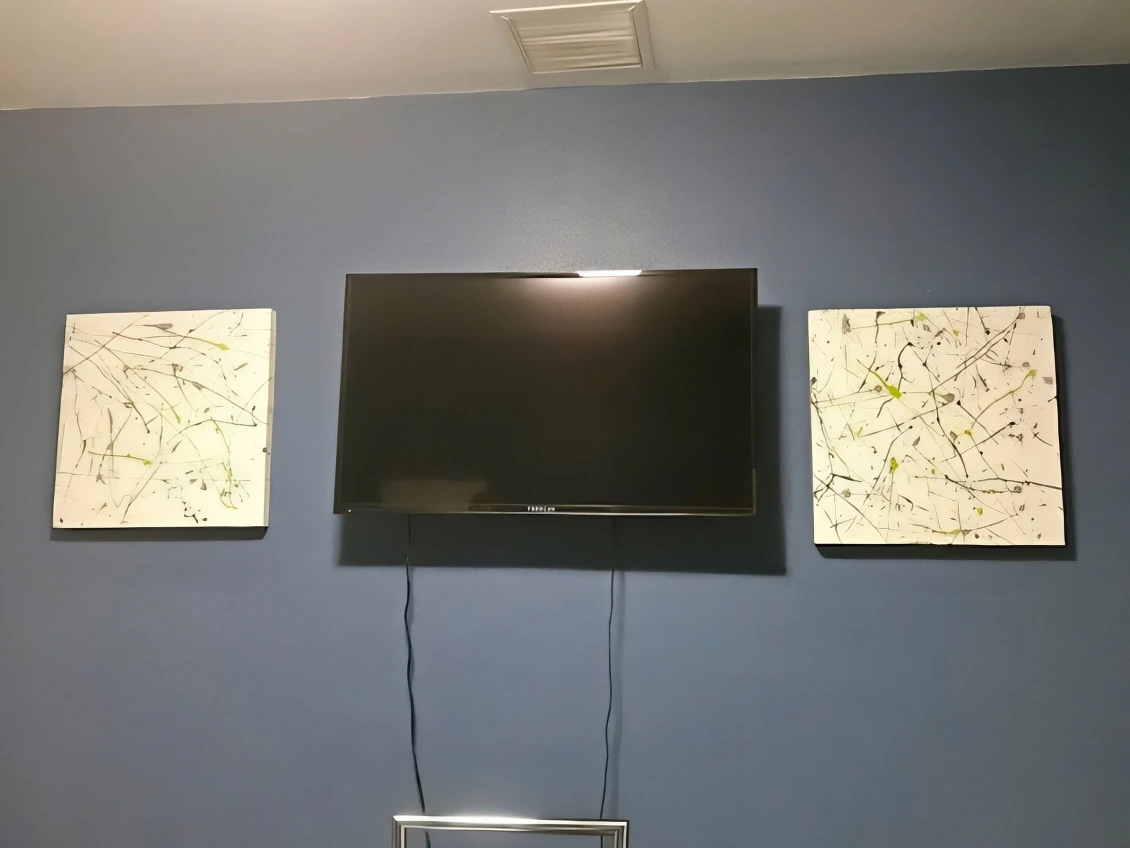
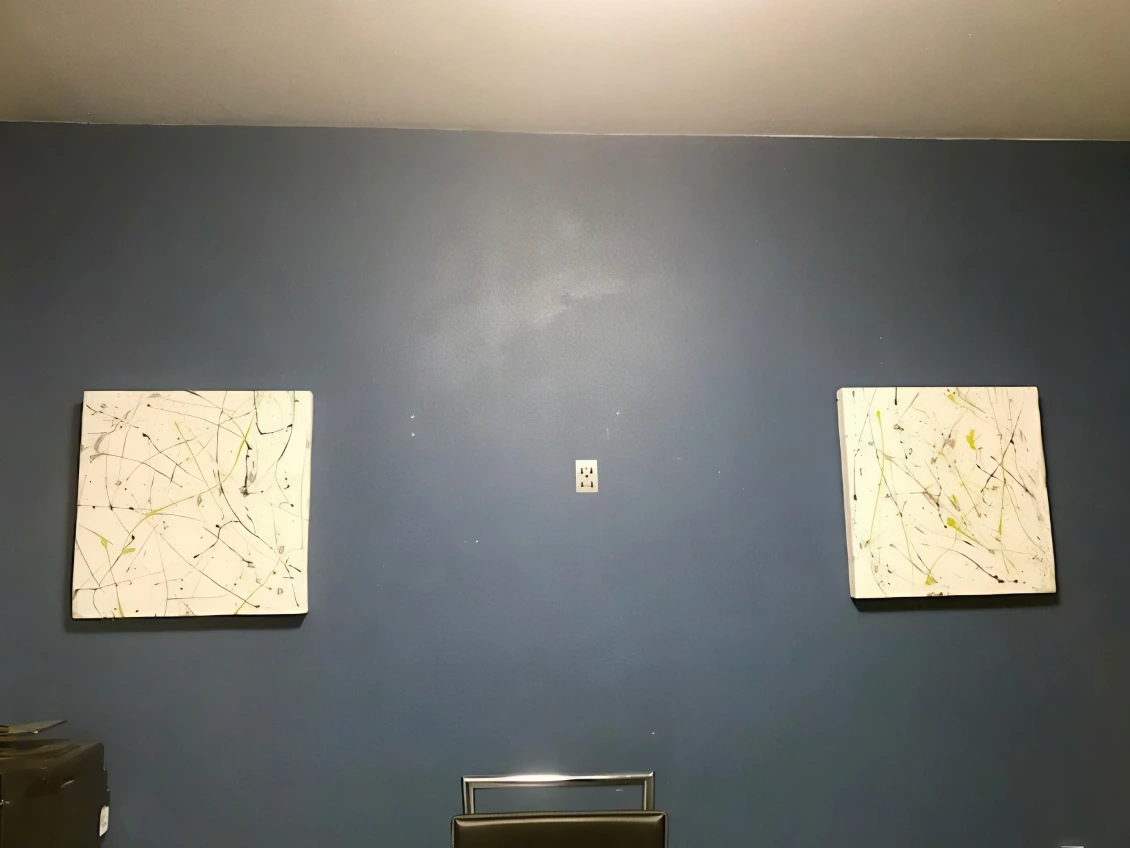
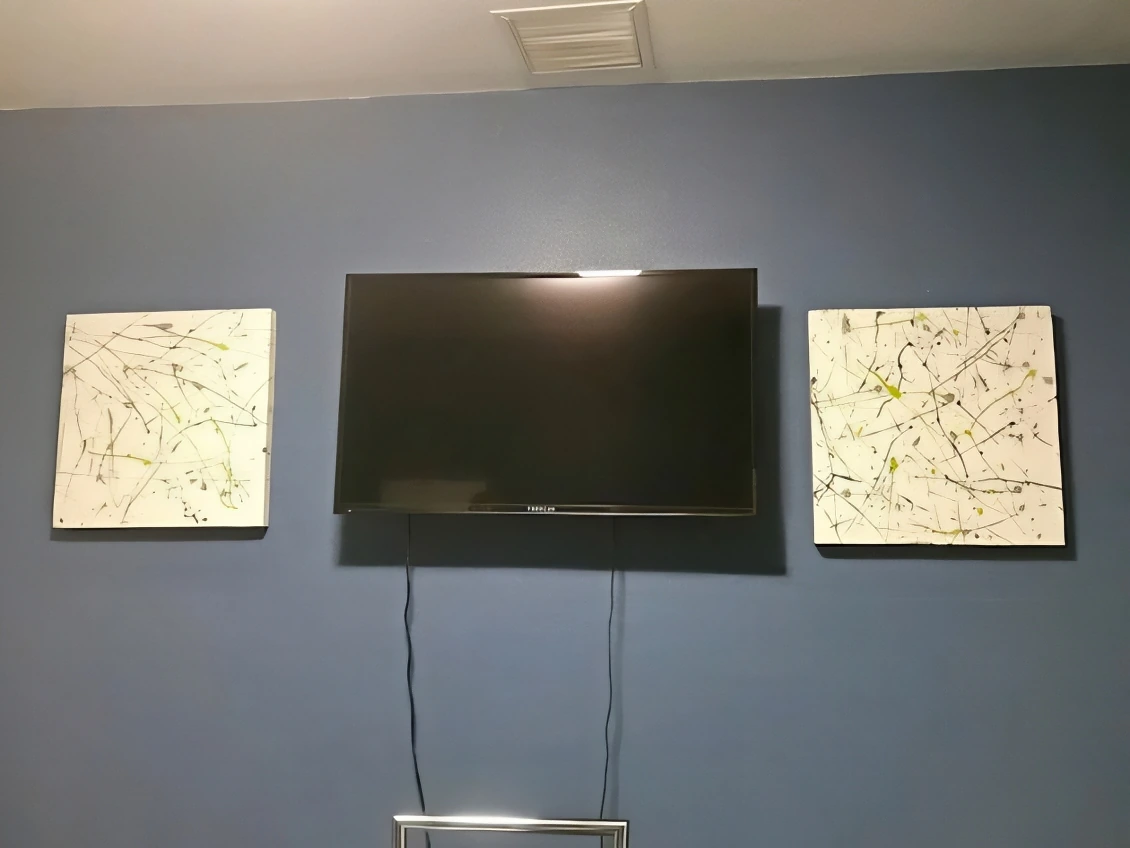
Two 2’×2′ acoustic absorption panels went up on each of two opposite walls — four panels total, distributed across the room. RT60 dropped to 0.61 seconds. That is a 28 percent reduction from the untreated baseline, and the room crossed into the working conference window.
The perceived improvement was bigger than the number suggests. Speech intelligibility came back almost immediately. Background sounds — keyboard clicks, HVAC, distant footsteps — stopped layering on top of conversation. The room started feeling like a room rather than an echo chamber.
The calculator predicted 0.61 seconds for this trial, and the measurement matched. That is the second useful confirmation: once you have a measured baseline RT60 and you plug it into the Sabin formula, the predicted post-treatment number is reliable enough to budget against.
Trial 3: Five Panels, 0.54 Seconds RT60
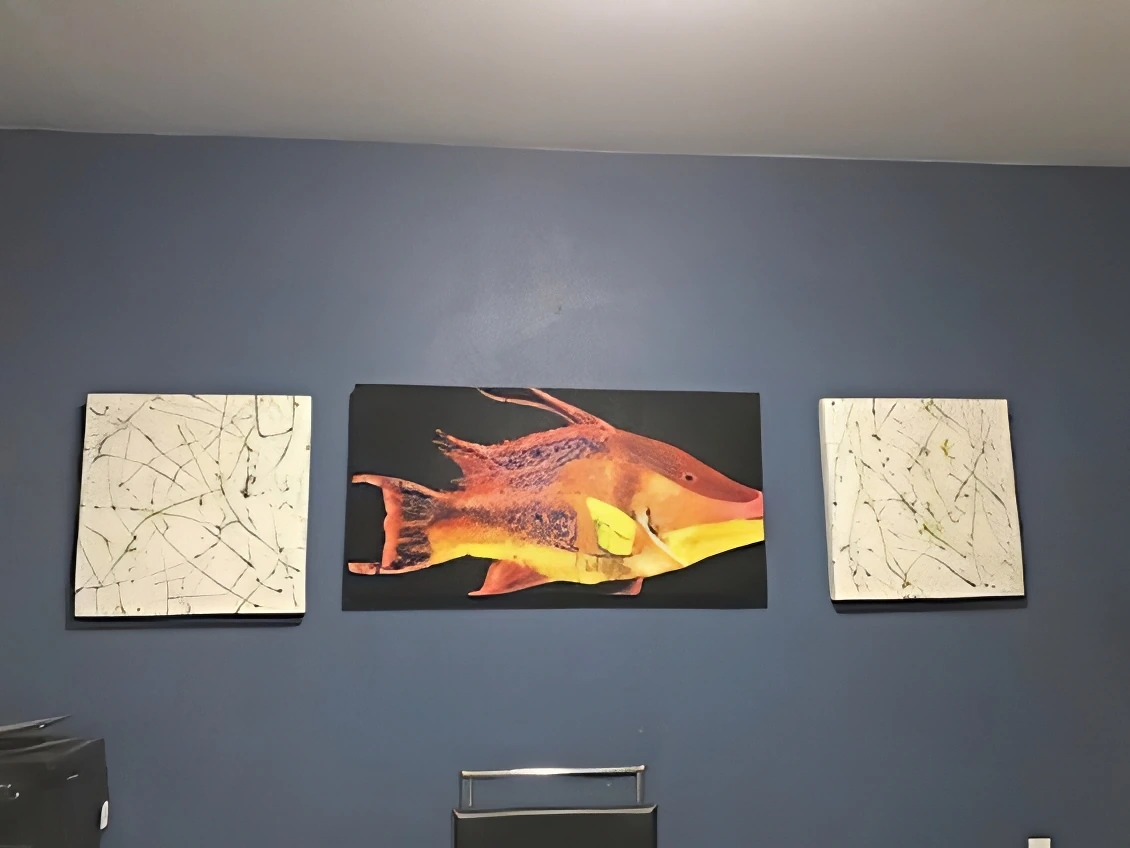
One additional 2’×4′ panel — bringing the total to five panels — dropped RT60 to 0.54 seconds. That is 37 percent below the untreated baseline. The room now sits comfortably in the lower end of the conference window, where amplified telecom and remote calls hold up cleanly.
The diminishing-returns curve started showing up here. The first four panels delivered 0.24 seconds of RT60 reduction; the fifth panel added another 0.07 seconds. That’s expected: each new panel removes a smaller share of the remaining reflected energy, since the most easily absorbed energy is gone after the first few units.
Once a room is below 0.6 seconds, additional absorption rarely produces meaningful perceptual improvement. The marginal cost goes up while the marginal acoustic benefit drops. For most conference rooms, 4–5 distributed panels at 2’×2′ or one mixed pair (2’×2′ plus 2’×4′) hits the working window without overshooting.
Smartphone vs. Certified Meter: Can an App Measure RT60?
The side experiment that surprises a lot of architects: the smartphone app readings tracked the certified Class 1 SPL meter within field-test tolerance across all three trials. Not lab-grade accuracy, but more than close enough to flag whether a room is in the right ballpark before you call in measured testing.
That has practical implications. If you’re scoping treatment for an existing room and want to know whether RT60 is a real problem, a phone app gives you the answer for free in 30 seconds. If the number comes back at 1.5 seconds you know the room needs help; if it comes back at 0.7 seconds the issue is probably not reverberation.
For documented testing — LEED credit submission, dispute resolution, lease compliance — you still need the certified meter and the ASTM-compliant protocol. But for first-pass diagnostic and rough budget planning, the smartphone is enough. That’s a meaningful change from where the industry was a decade ago.
Quick Reference: Panel Count by Room Type
The conference-room test scales. The same Sabin math that predicted 4–5 panels in our 2,000–2,500 cubic foot room predicts panel quantities for any other room program. The table below maps the typical ranges for the most common building types, with the conference-room row highlighted as the case-study anchor.
| Room Type | Approx. Volume | Typical Panel Count | Target RT60 |
|---|---|---|---|
| Small Conference Room | 2,000 – 3,000 cu ft | 4 – 6 panels (2’×2′) | 0.5 – 0.7 sec |
| Mid-Size Meeting Room | 3,000 – 6,000 cu ft | 6 – 10 panels | 0.6 – 0.8 sec |
| Open-Plan Office Zone | 6,000 – 12,000 cu ft | 12 – 20 panels | 0.4 – 0.6 sec |
| Restaurant Dining | 8,000 – 15,000 cu ft | 15 – 25 panels (or fabric wall) | 0.6 – 0.9 sec |
| Lecture / Multipurpose Hall | 15,000+ cu ft | Fabric wall + ceiling clouds | 1.0 – 1.4 sec |
The volumes and panel counts above are typical ranges, not prescriptions. Actual quantity depends on starting RT60, finish materials, and target reverberation time. The table is a starting point — the calculator is the way to dial in the exact number for your room.
How to Calculate Your Own Room
- Step 1: Measure the room volume (length × width × ceiling height)
- Step 2: Identify the existing finish materials and their NRC values
- Step 3: Pick a target RT60 from the room program (use the table above)
- Step 4: Plug all of it into the calculator and read out the panel count
The four steps take about five minutes once you have a tape measure and a basic NRC reference for your finishes. The sound absorption coefficient chart covers the most common finish materials. The room acoustics calculator handles the Sabin math.
For a first-pass diagnostic of your existing room, a smartphone RT60 app will tell you whether the room is in the working window or whether it needs treatment. If the number comes back above 1.0 seconds for a conference room or above 1.3 seconds for a restaurant, the absorption math from this article applies and you can size panels accordingly.
What Real Rooms Look Like After Treatment
The conference-room test scales to bigger rooms once the panel count and panel type get sized for the volume. The same RT60 reduction principle that worked for 5 panels in a 2,500 cubic foot room works for 50 panels (or fabric wall systems) in a 25,000 cubic foot room.
For a real-world example of ceiling clouds dropping a restaurant from 1.05 to 0.6 seconds, see the Mekenita Cantina ceiling clouds case study. For a fabric wall upgrade that delivered NRC 1.05 across 450 square feet of dining-room wall, see the Fins fabric wall upgrade case study.
Conclusion: The Real Answer
Most rooms need fewer panels than people expect, and the right number falls out of the Sabin formula once you have a measured baseline. Our three-trial test in a real conference room showed RT60 dropping from 0.85 to 0.54 seconds with 5 panels, with the calculator predicting every result within field-test tolerance. Run the math on your own room with the room acoustics calculator before you order anything.
FAQs: Acoustic Panel Quantity and Room Reverberation
How do you calculate how many acoustic panels a room needs?
Use the Sabin formula: RT60 = 0.049 × room volume divided by total absorption in Sabins. Solve for the absorption needed to hit your target RT60, then divide by the NRC and square footage of your panel to get the panel count. The room acoustics calculator runs this math automatically once you input volume, finishes, and target RT60.
What RT60 should a conference room target?
Conference rooms target 0.5 to 0.8 seconds RT60. Below 0.5 seconds the room can feel uncomfortably dead for casual conversation; above 0.8 seconds remote callers struggle to follow speech on telecom. The test in this article landed the room at 0.54 seconds with 5 panels, comfortably in the working window.
Can a smartphone app measure RT60 accurately?
For first-pass diagnostic and rough budget planning, yes — smartphone RT60 apps tracked the certified Class 1 SPL meter within field-test tolerance across all three trials. For documented testing required by LEED, dispute resolution, or lease compliance, you still need a certified meter and ASTM-compliant protocol.
Do diminishing returns apply to acoustic panel count?
Yes. The first few panels deliver the largest RT60 reduction; each subsequent panel removes a smaller share of remaining reflected energy. The test showed 4 panels dropping RT60 by 0.24 seconds, while the fifth panel added only 0.07 seconds. Below 0.6 seconds, additional absorption rarely delivers meaningful perceptual improvement.

Walker Peek|Founder & CEO, Commercial Acoustics
Walker founded Commercial Acoustics in 2013 to bring aerospace-grade engineering discipline to soundproofing, and runs the firm as CEO from its 12,000 sq ft Tampa production facility. The company designs custom acoustic panels, sound membranes, and masking systems for multi-family, hospitality, healthcare, and commercial projects across the US — built around Walker’s invention, Wall Blokker, an EVA-based sound barrier that hits STC 50-plus at roughly $1 per square foot installed.
A Jacksonville native, Walker spent five years at Kennedy Space Center with Craig Technologies before founding Commercial Acoustics — certifying aerospace manufacturing to the AS9100 standard and leading Six Sigma Black Belt process-improvement teams on NASA programs. He is a certified Industrial Noise Control Engineer and the author of Architectural Acoustics: A Practical Handbook.
