 Lencore System
Third Lake Partners — Tampa, FL
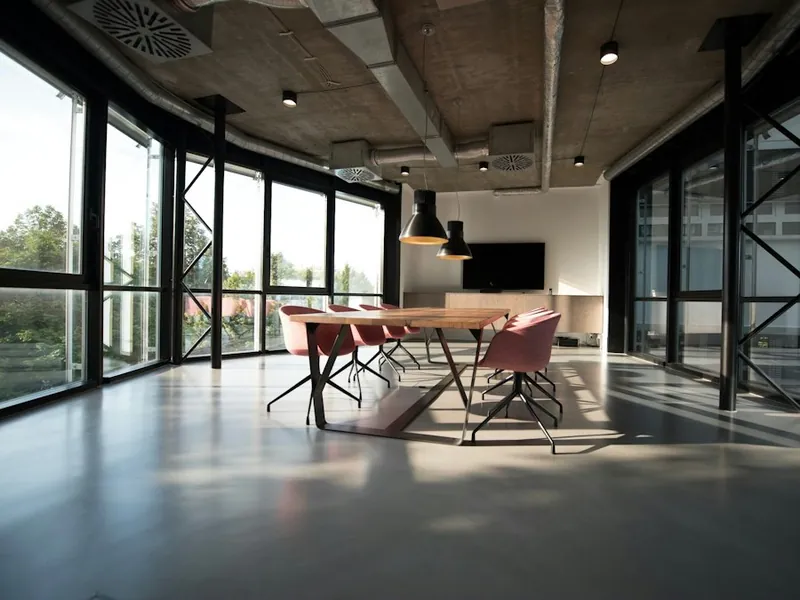
Full-building Lencore sound masking installed mid-renovation, restoring privacy across an open, design-forward office without touching the historic interior finishes.
Read the case study →
Enter your space’s size, ceiling, and office layout to estimate how many sound masking speakers you need — and which system fits.
Sound masking is the strategic addition of a subtle background sound, engineered to match the frequency of human speech. It doesn’t eliminate noise; it makes speech less intelligible, which makes conversations far less distracting. Unlike flat, intrusive white noise, sound masking is spectrally shaped and introduced gently through ceiling-mounted speakers, so it blends into the room without being noticed.
Speaker layout and density depend on ceiling height, ceiling type, and how the space is used. Most open offices get a uniform square grid of ceiling speakers, while enclosed rooms and large floor plates need their own approach.
The benefits of sound masking vary by use, and the layout should be tailored to match. Here’s what it solves in the three settings we see most.
 Corporate
 Healthcare
 Financial & Legal
Small speakers in the ceiling or plenum are fed from a central controller that handles power, volume, and tone for each zone. After installation, the system is tuned with sound level meters so coverage is even and comfortable.
Ceiling type and height set how far apart speakers can go. Room size and shape drive the total count and the number of zones, and existing HVAC noise affects how loud the masking should run. These are typical spacings from published layout guidance — the same numbers the calculator uses.
While not required by every code, sound masking is common in healthcare design standards and office specs. Major tech, legal, and banking clients often require it in their own internal standards.
Sound masking projects across corporate, healthcare, government, and legal spaces — from single counseling suites to 380,000 SF campuses.
Lencore SystemFull-building Lencore sound masking installed mid-renovation, restoring privacy across an open, design-forward office without touching the historic interior finishes.
Read the case study → 380,000 SF
HIPAA-aligned sound masking across a 380,000 SF medical education complex, engineered for speech privacy and supporting the building’s LEED Silver certification.
Read the case study →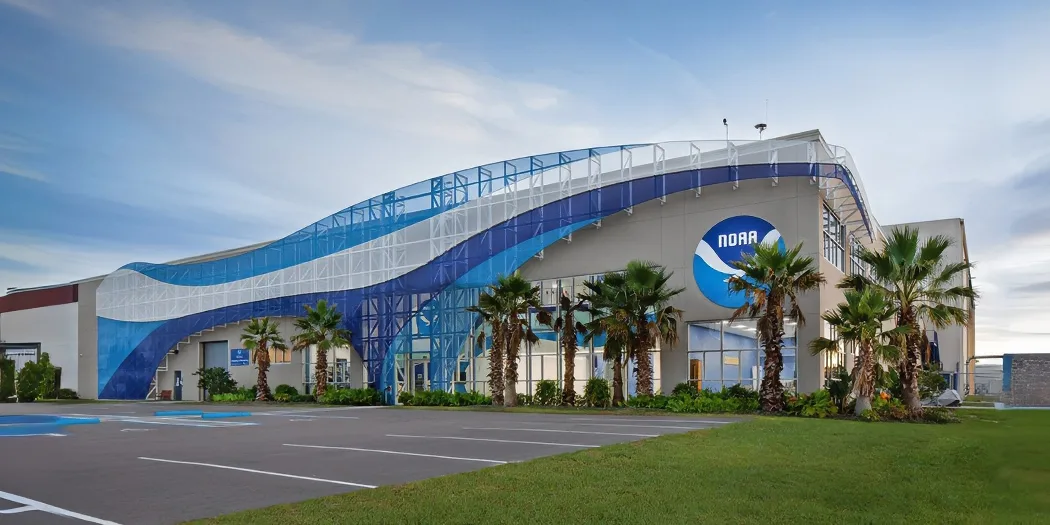 100,000+ SF
Networked sound masking across a 100,000+ SF LEED-certified facility, restoring speech privacy and focus in a hybrid open and closed-office layout.
Read the case study →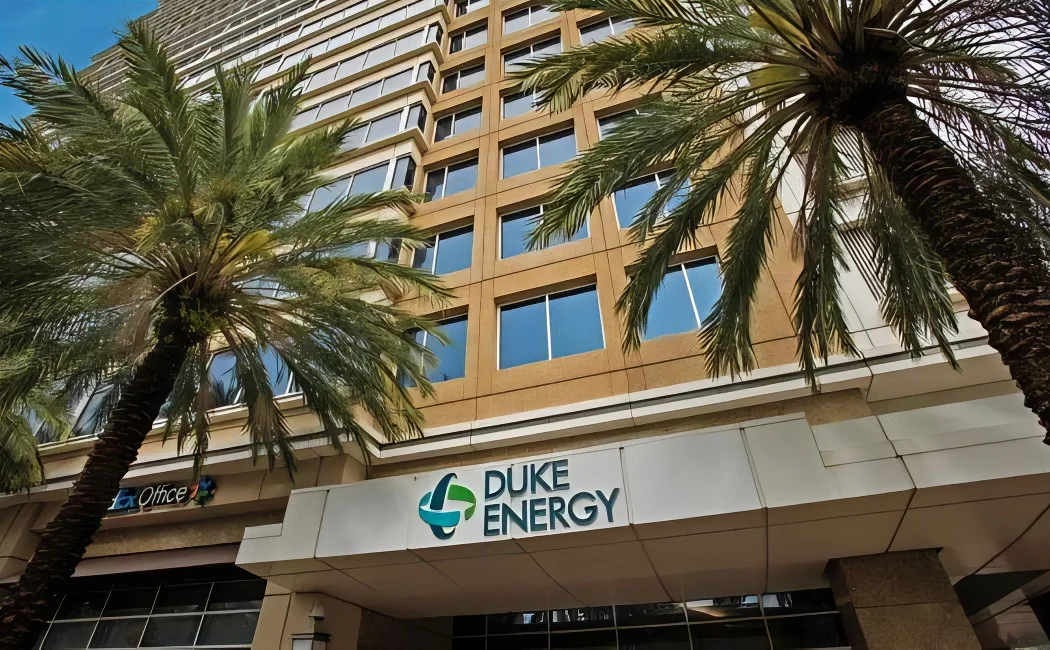 1,000+ Staff
A sound masking replacement across three renovated headquarters floors, restoring privacy and comfort for more than 1,000 staff during an active renovation.
Read the case study → Interview Rooms
Sound masking plus targeted ceiling tile replacement in interrogation and soft rooms, stopping speech from bleeding into adjacent corridors.
Read the case study →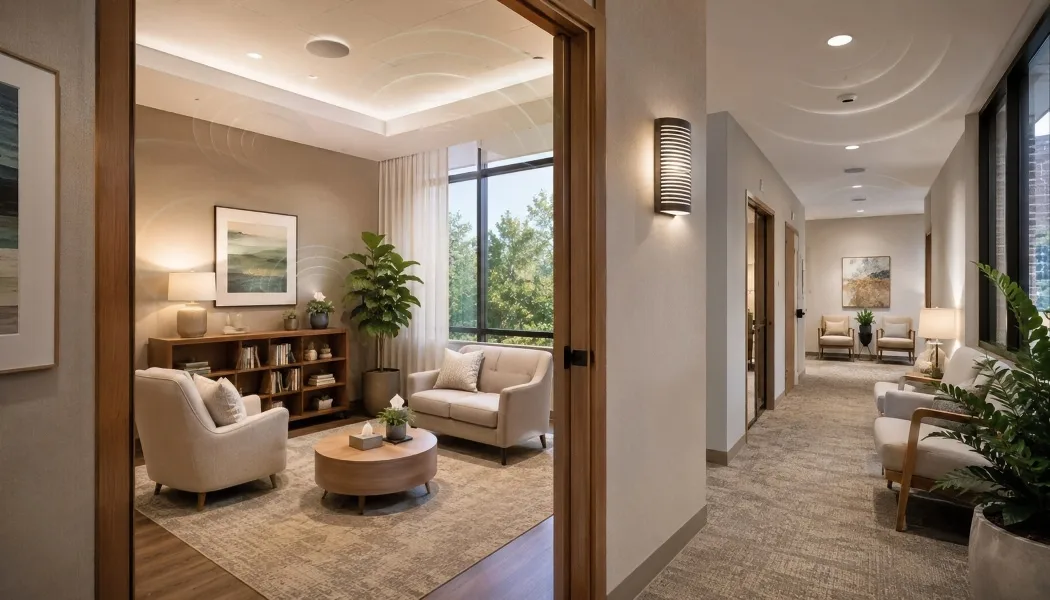 Therapy Privacy
Above-ceiling masking tuned around a pitched plenum that varied from 3 to 12 feet, stopping therapy conversations from leaking between rooms.
Read the case study →Enter your space’s length, width, and ceiling height, then pick the ceiling type and office layout. The calculator applies published coverage guidance for that ceiling type and height to estimate the speaker count, zones, and the system size that fits.
This calculator is ideal for early-phase planning. For a precise speaker layout and zoning, especially in complex or multi-use spaces, professional design and acoustic commissioning are recommended.
Installed systems typically range from $1.50 to $3.00 per square foot. Costs depend on brand, speaker density, zoning complexity, and site-specific wiring requirements.
Sound masking is spectrally tuned to the frequency of human speech, making it more effective and less annoying than white noise. It blends into the background instead of drawing attention.
Yes. Pendant-mounted and direct-fired masking speakers are designed for open plenum spaces, including exposed structure and non-acoustic ceiling designs.