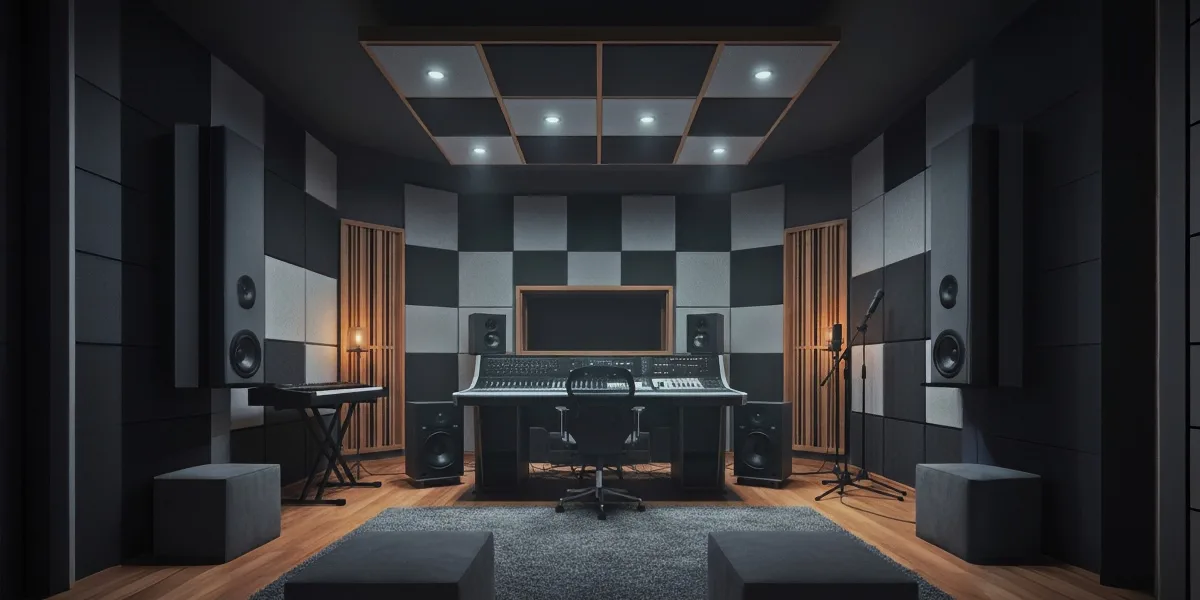
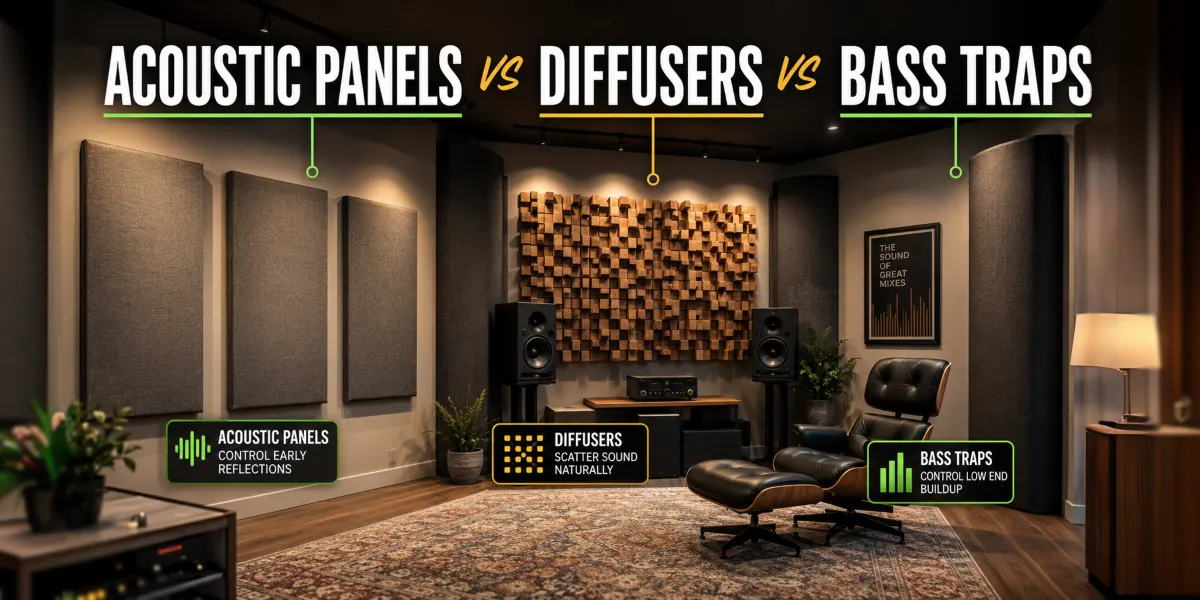
Acoustic panels, diffusers, and bass traps all get sold as ‘sound treatment’—but they solve different problems at different frequencies. Here’s what each one actually does, when to use it, and how to combine them.
Materials & Products
The ceiling is usually the largest reflective surface in a room. How ACT systems absorb, block, or diffuse sound, the three main material types, and where they actually deliver acoustic comfort versus just aesthetics.
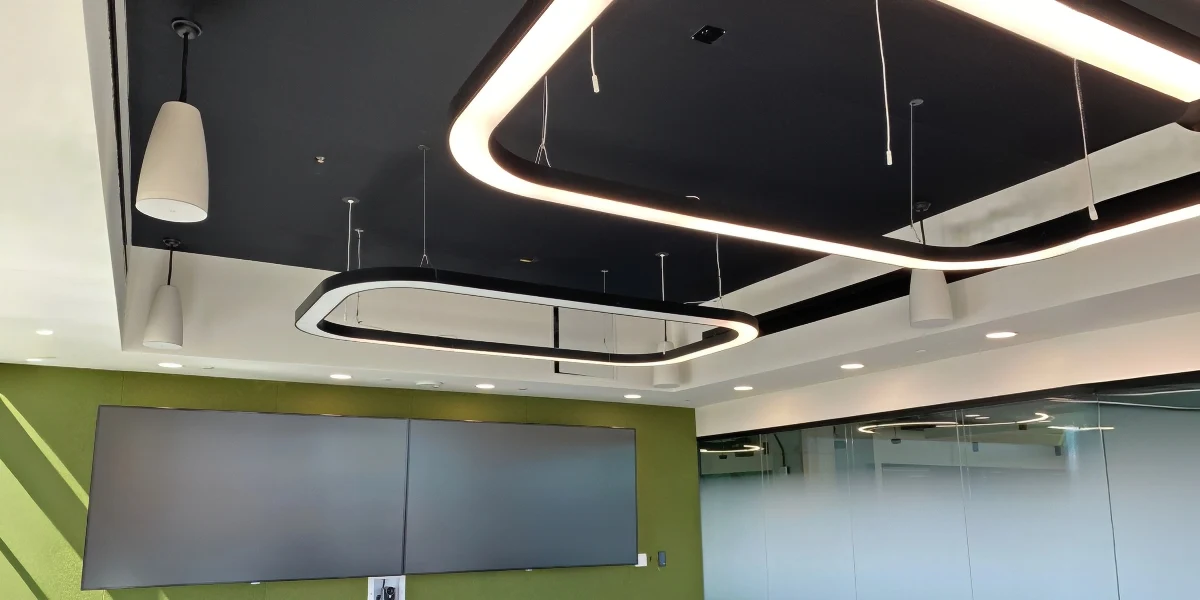
When ceiling tiles aren’t enough — baffles, clouds, stretched fabric, wood, metal, and pyramid diffusers that deliver acoustic performance and visual design at once. How each type performs and where each belongs.
The major ACT brands, the tile types that actually perform in offices, schools, healthcare, and performing arts, and how to match panel construction to the acoustic and visual targets each project demands.
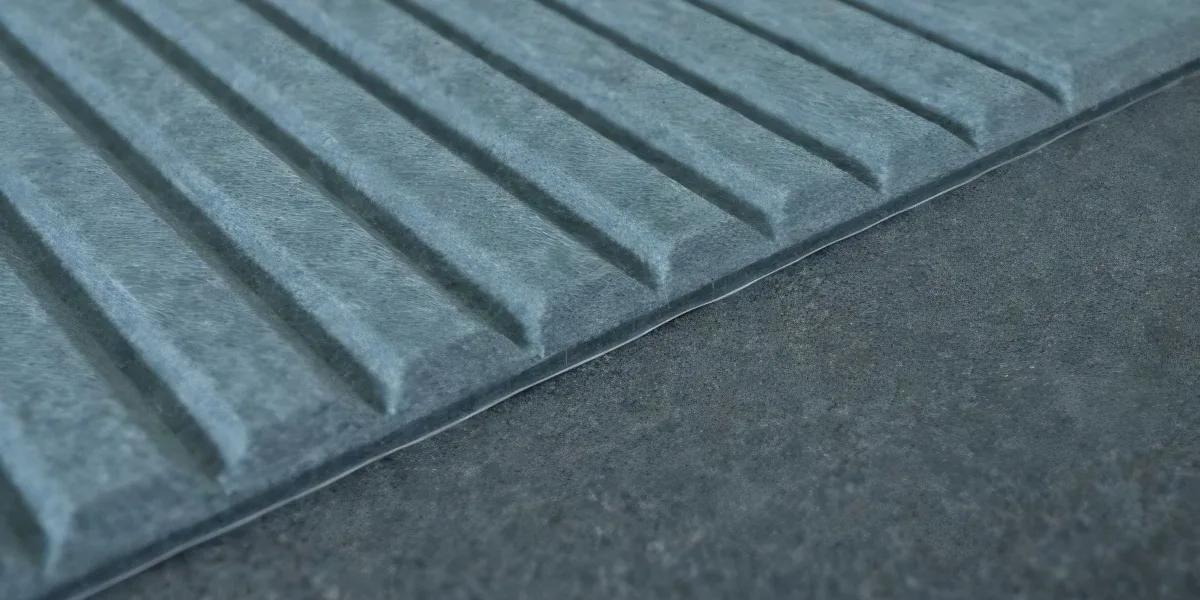
The materials that actually absorb sound — fiberglass, mineral wool, PET felt, foam, fabric-wrapped panels — with NRC values, where each works, and the cost/performance tradeoffs that decide what you specify.
What the “WC” callout on a drawing set actually means — how stretched fabric walls and acoustic wall coverings differ in construction, performance, finish, and budget, and which one belongs on each project.
The metal that makes stretched fabric walls work — track profile types, how each handles outlets and penetrations, edge and corner conditions, and where prefabricated panels make more sense than site-built systems.
The hardware professional consultants actually use — sound level meters, dosimeters, impact-noise sources, analyzer software — plus the test types (STC, IIC, RT60) each is used for and when to hire it out.
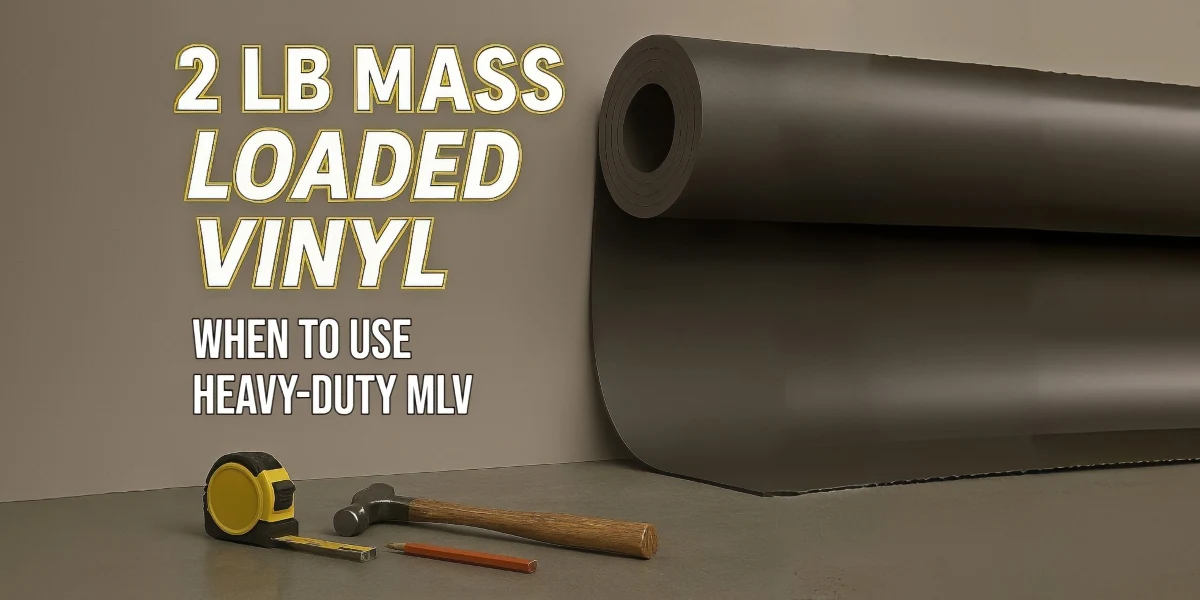
When the heavier MLV pays off — low-frequency performance, mechanical and museum applications, the safety considerations to weigh, and the modern decoupled alternatives that often outperform stacked MLV layers.
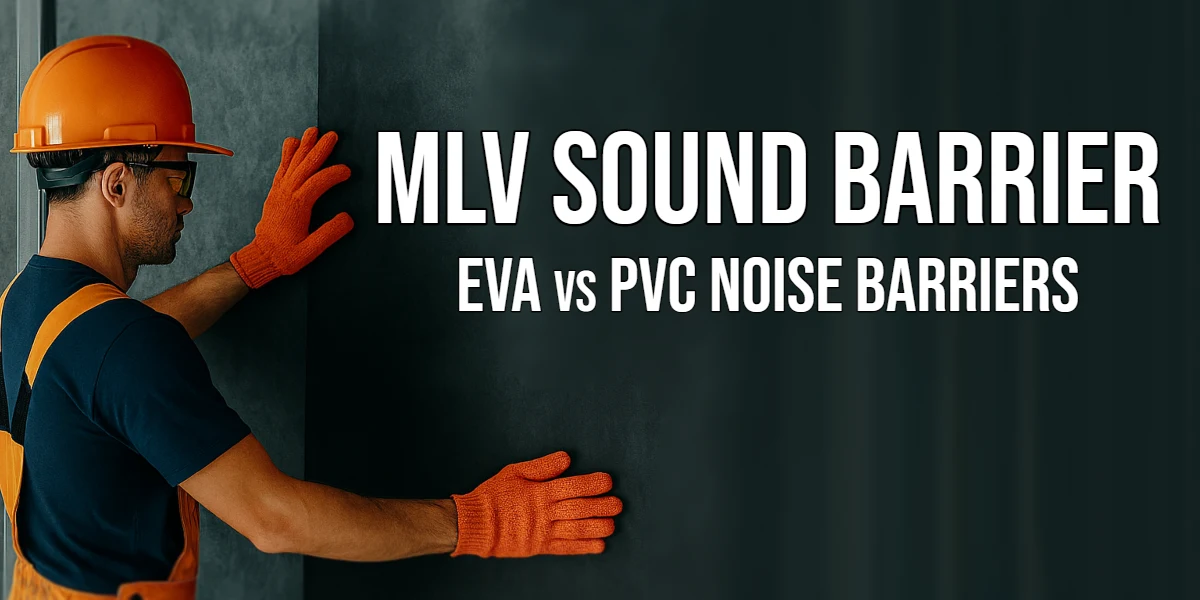
EVA versus PVC mass-loaded vinyl — the chemistry behind each, how STC performance compares in lab testing, where MLV beats stacked drywall, and the install details that make or break the result.
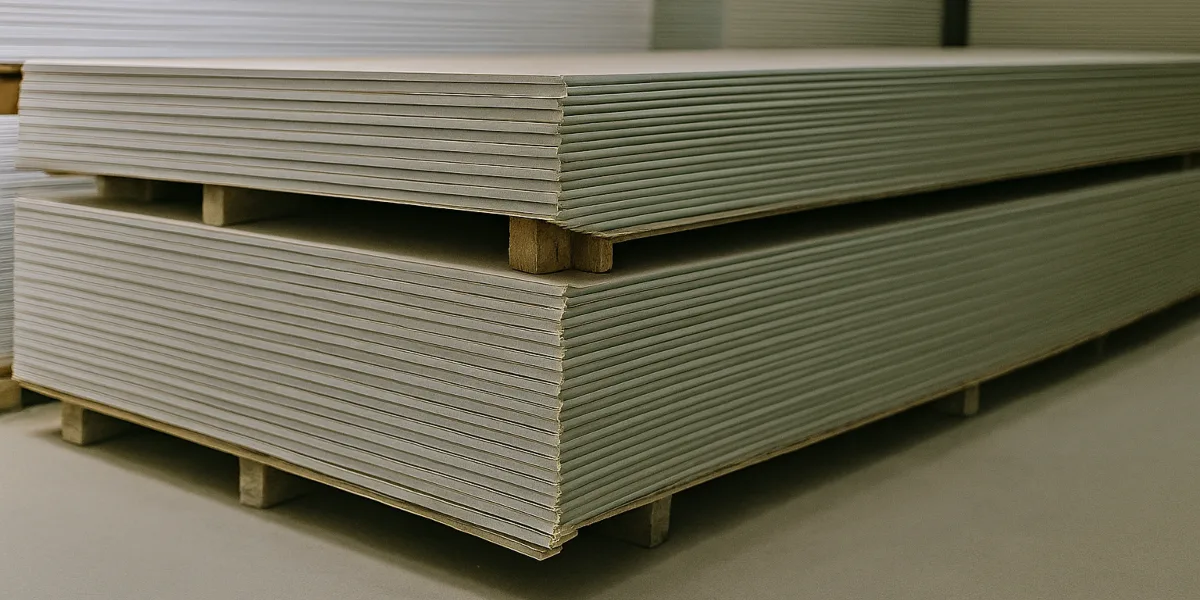
Why layered drywall is the long, expensive way to hit STC 50 — and how Wall Blokker (MLV behind single-layer drywall) hits the same number with less labor, less wall depth, and field-verified performance.
How Wall Blokker compares to QuietRock and SoundBreak — STC performance per dollar, install labor differences, and where the acoustic gypsum premium does and doesn’t make sense on commercial and multifamily projects.