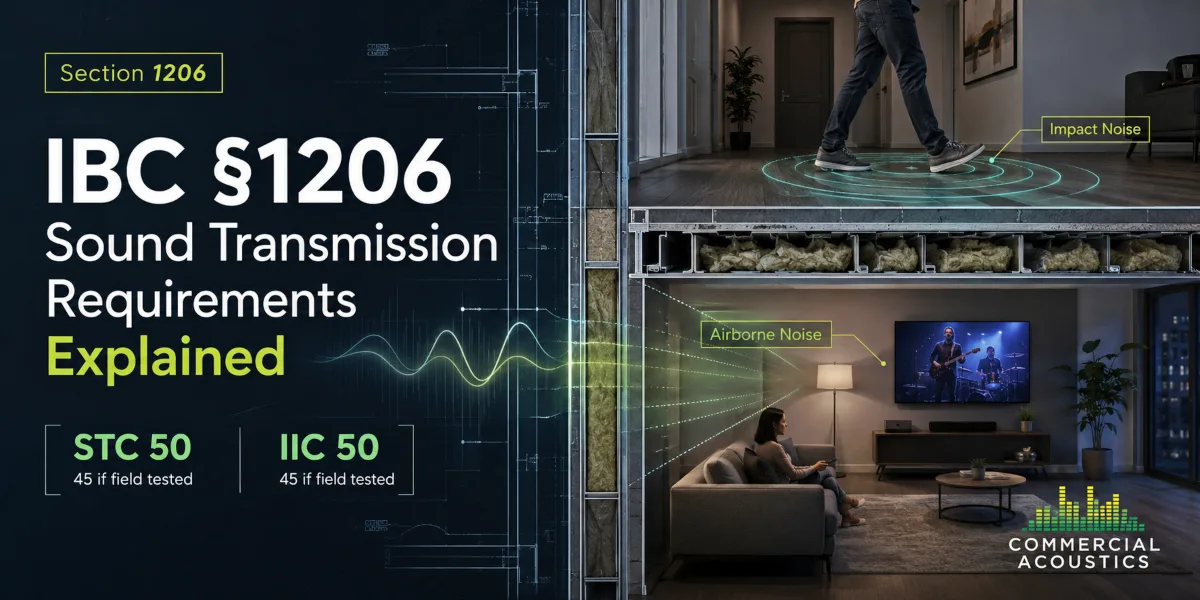
IBC Section 1206 requires STC 50 (lab) or NNIC 45 (field) for airborne sound and IIC 50 (lab) or AIIC 45 (field) for impact sound between dwelling and sleeping units. Here is what the code says, the ASTM standards behind it, and how to spec to land in compliance in the field.
Specification & Project
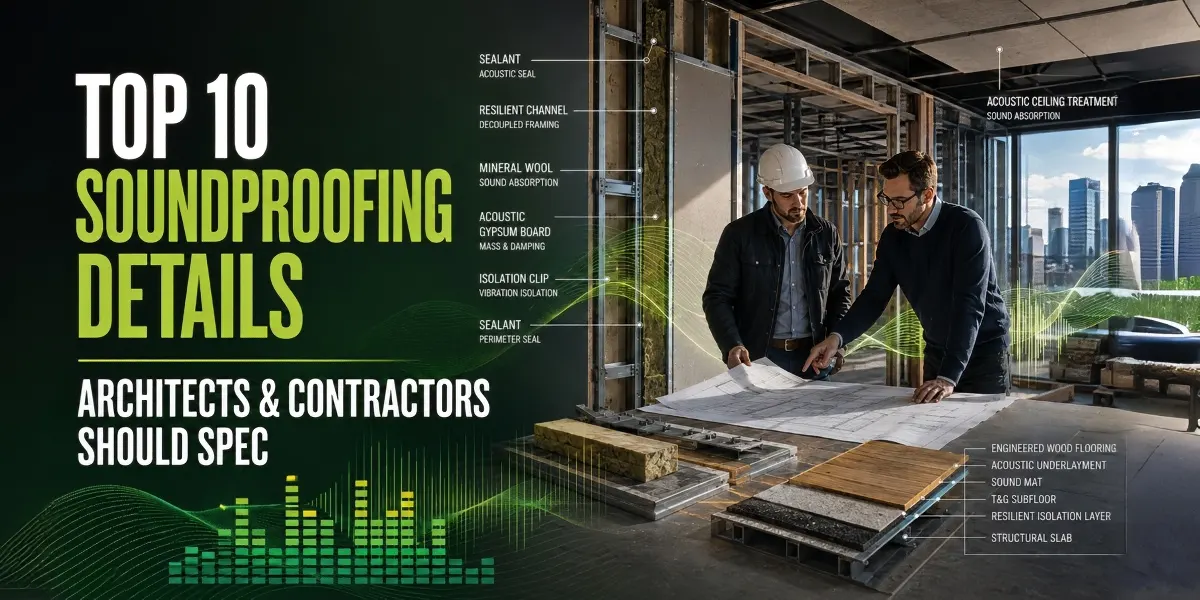
The ten spec details where soundproofing actually lives or dies — wall STC, IIC, door seals, glazing, top-of-wall, penetrations, HVAC silencers, equipment isolation, plumbing risers, and the plenum flanking paths most specs miss.
Ten field mistakes that quietly kill acoustic performance — resilient-channel misuse, hat-channel substitution, UL fire ratings mistaken for STC, heavier studs assumed to help, flanking ignored, and the marketing claims to discount.
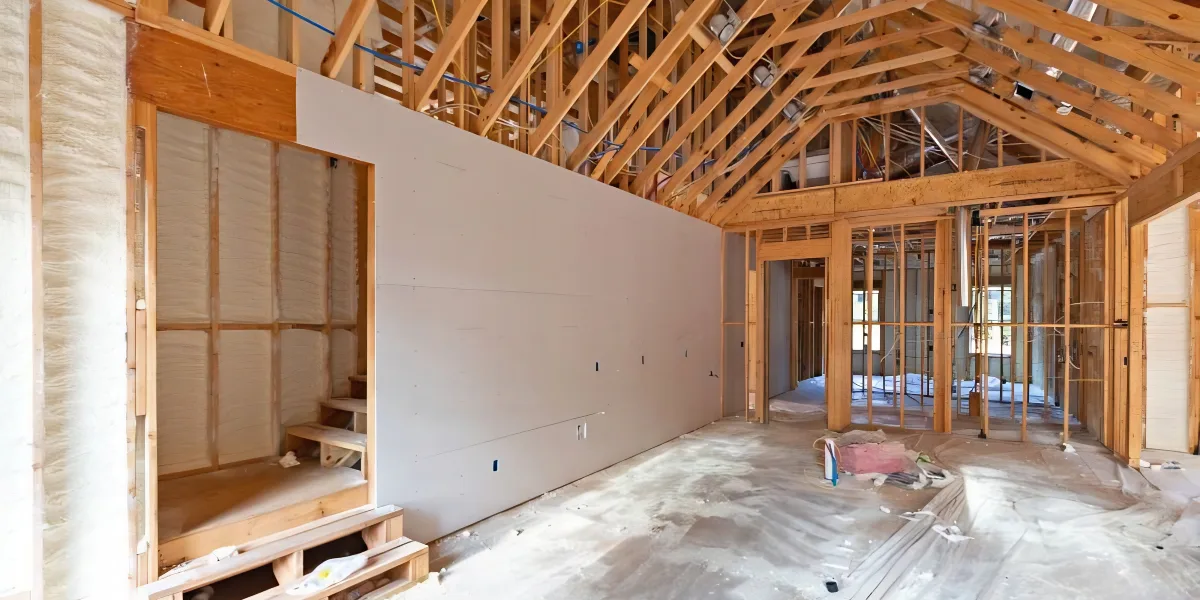
The construction details that decide whether high-spec walls actually perform in the field — penetrations, structure-borne paths, HVAC connections, and the oversight that catches them before they become complaints.
What acoustic decisions cost at each project phase — why fixing it in design is roughly 10× cheaper than fixing it after CO, which problems must be solved before drywall, and which can wait.
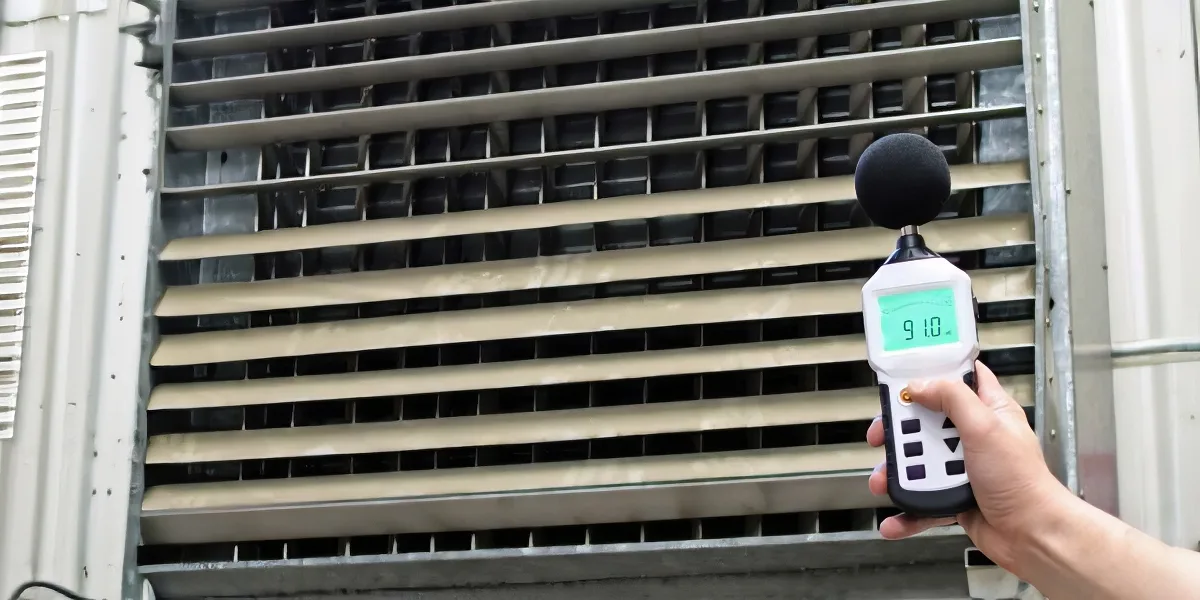
Designing to NC targets — the HVAC and mechanical sources driving background levels, composite noise math, exterior propagation, structure-borne control, and the products that hit the curves consultants spec.
The hardware professional consultants actually use — sound level meters, dosimeters, impact-noise sources, analyzer software — plus the test types (STC, IIC, RT60) each is used for and when to hire it out.
What an acoustic consultant actually does, hourly and project-based rate ranges by industry for 2026, the difference between consultants and engineers, and when a project is complex enough to justify hiring one.