Modern restaurants traded carpet, drapes, and tablecloths for concrete, glass, and open ceilings—and turned dinner into a shouting match. Here’s how design choices, the Lombard effect, and the open-kitchen trend pushed dining rooms past 90 dBA, and what actually quiets them.

Room Acoustics
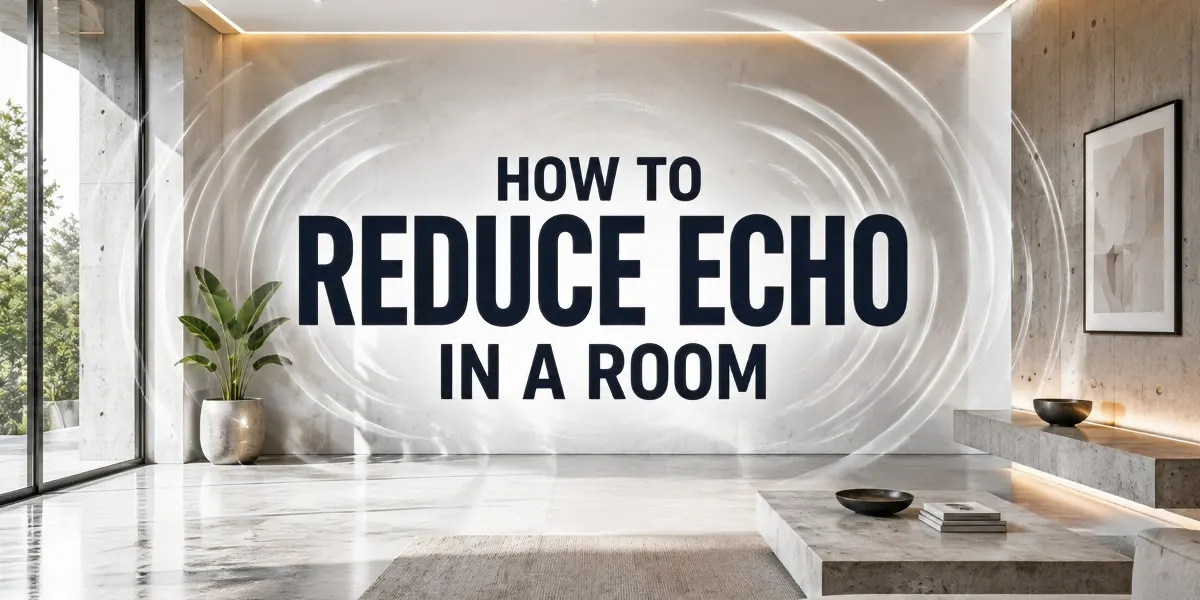
Echo is a reflection problem, not a soundproofing one — fixed with absorption and diffusion, not heavier walls. RT60 targets, the surface area to cover with NRC 0.85+ material, and where to start (hint: the ceiling).
The major ACT brands, the tile types that actually perform in offices, schools, healthcare, and performing arts, and how to match panel construction to the acoustic and visual targets each project demands.
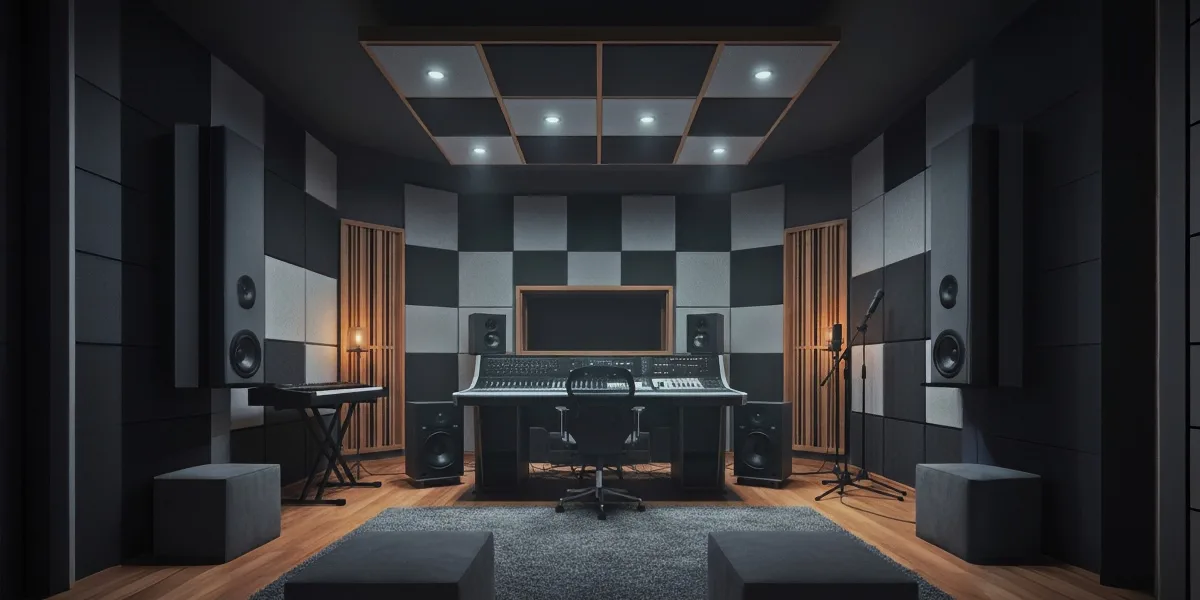
The materials that actually absorb sound — fiberglass, mineral wool, PET felt, foam, fabric-wrapped panels — with NRC values, where each works, and the cost/performance tradeoffs that decide what you specify.
When diffusion solves what absorption cannot – how acoustic diffusers scatter reflections, where they belong and do not, and how they compare to acoustic panels, bass traps, and room treatment plans.
How to clean acoustic panels without ruining them — which fabrics are washable, stain-prevention strategies, color-fastness considerations, and the maintenance routines that protect both performance and appearance.
The placement rules that make panels actually work — spread versus stack, mount-height windows, first-reflection points, coverage targets, and when to switch from wall panels to ceiling clouds or baffles.
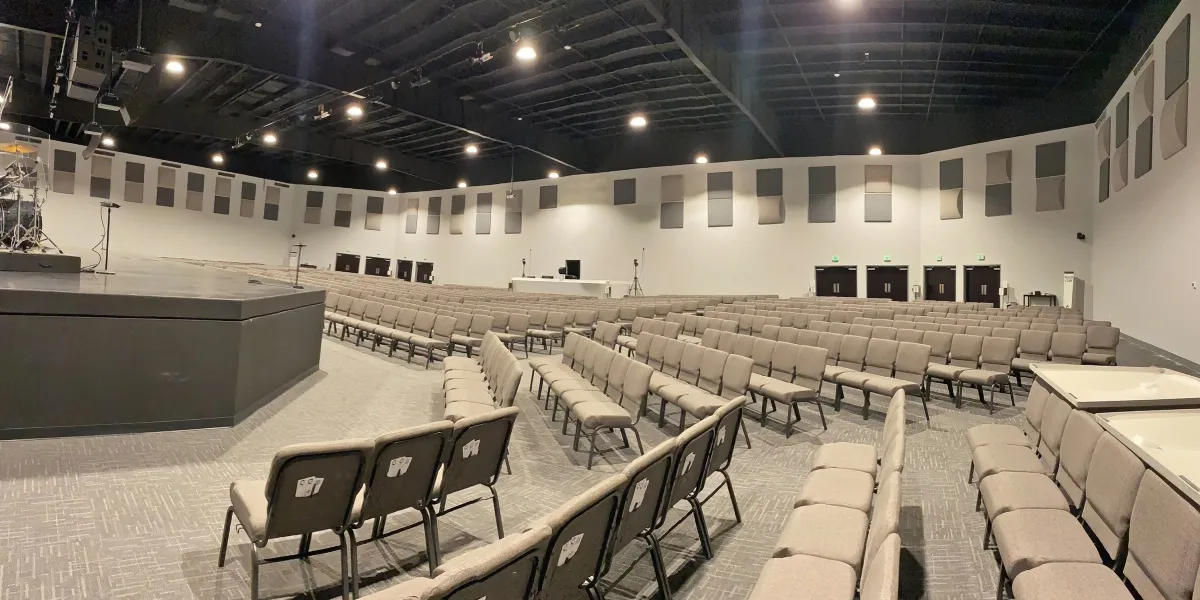
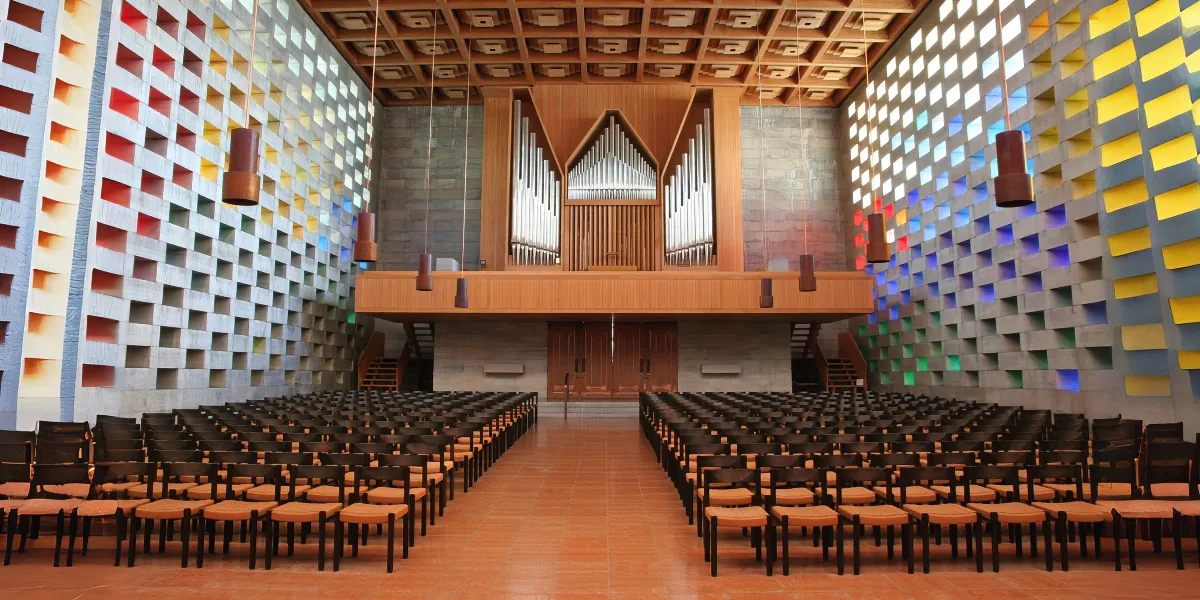
How sanctuary capacity, ceiling height, and finish coverage drive whether a church supports both speech intelligibility and musical fullness — design criteria by seat count, platform geometry, and reinforcement strategy.
A real-room test with RT60 measurements at zero, four, and five panels — how the Sabine formula plays out in practice, what smartphone meters actually capture, and panel counts by room type you can pressure-test against.
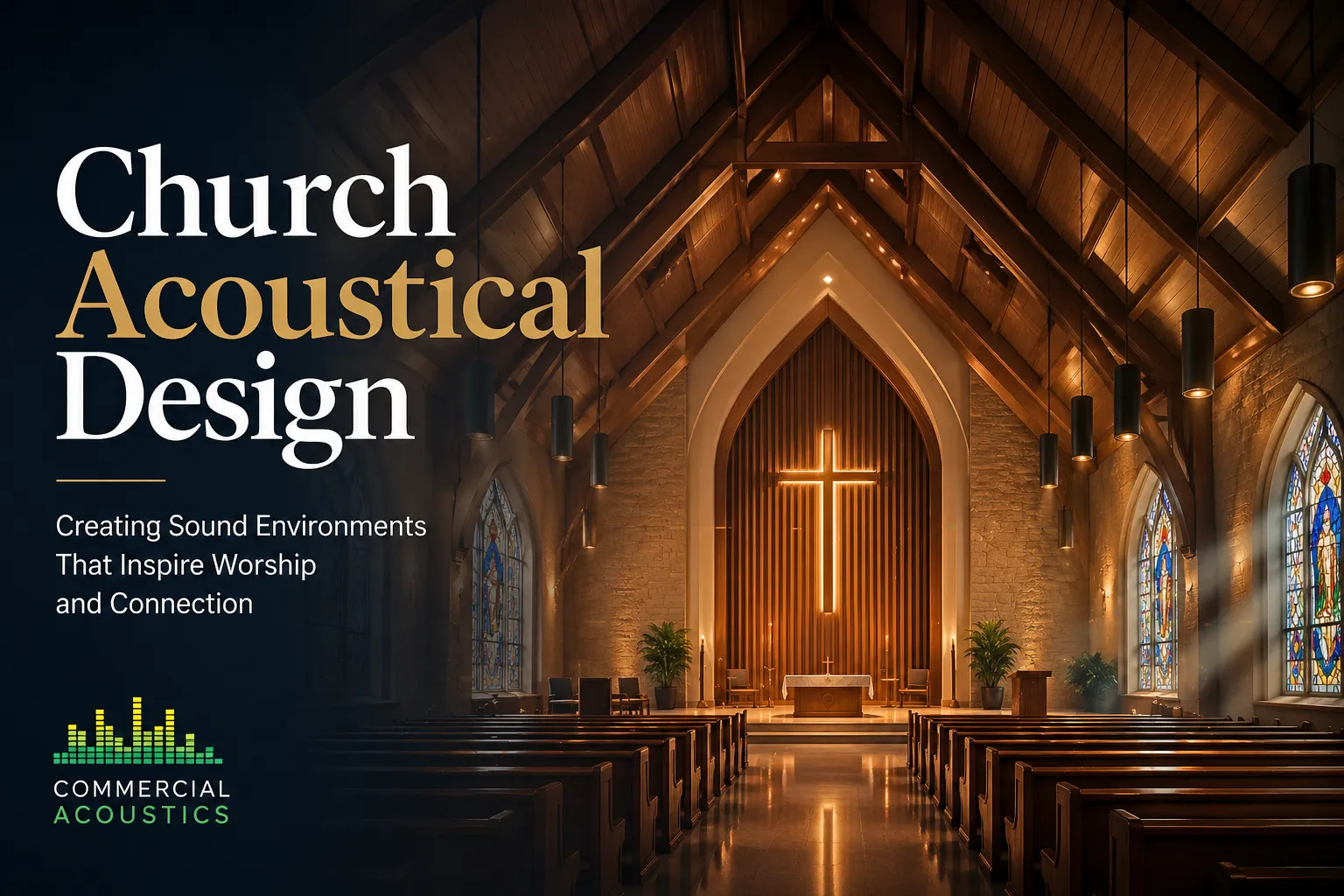
How architecture and finish drive speech clarity and musical warmth in worship spaces — the four pillars of church acoustics, modern treatment options, and how to balance preaching and music in one room.
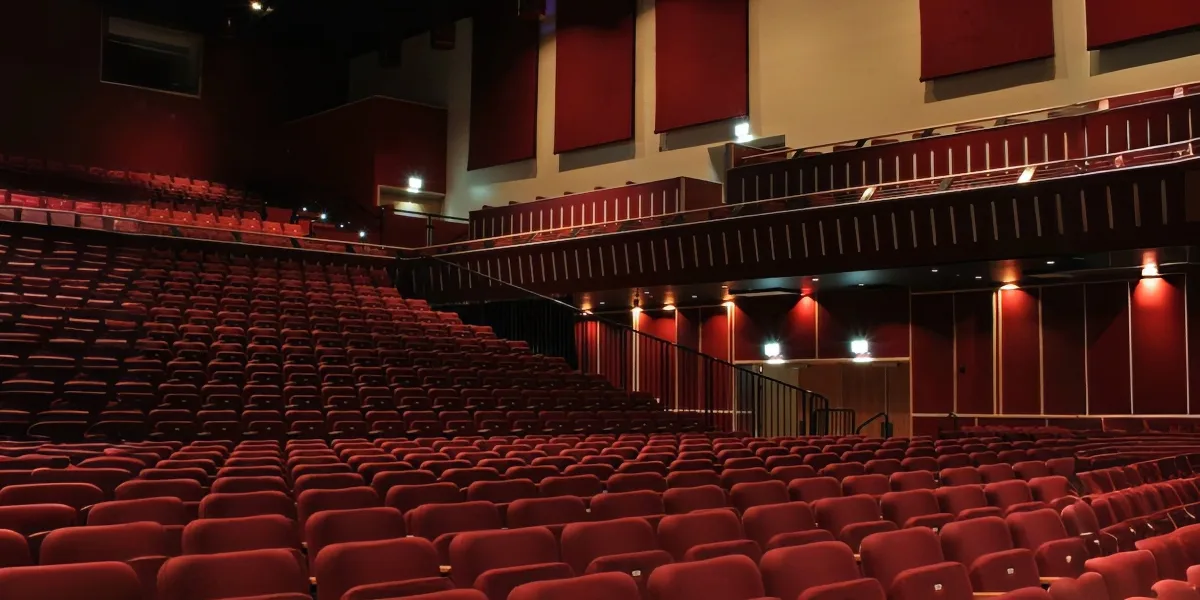
Eight design factors that make or break auditorium sound — room shape, RT60 by use, finish coverage, mechanical noise, exterior intrusion, and the reinforcement details that deliver clarity across every seat.
The Sabine math behind how much absorption a room actually needs — calculating sabins from NRC and area, RT60 targets by room type, and how to size coverage without overshooting into a dead room.