

Table of Contents
Project Overview: The Fenway Hotel Historic Restoration
- Project: Historic hotel soundproofing during a full restoration
- Property: The Fenway Hotel (originally opened 1920s)
- Location: Dunedin, FL
- Construction: 2×6 wood stud walls between adjacent rooms, wood joist floor system
- Constraint: Spatial limits prevented any wall thickness gain (resilient channel impractical)
- Treatment: Wall Blokker Pro on each side of the demising wall, Floor Blokker on joist floors
- Result: STC 50+ achieved without adding wall thickness or losing room area
The Fenway Hotel was reopening after a full historic restoration, and the architect ran into the same wall every historic hospitality project runs into. Modern STC 50 demising wall targets, century-old wood-frame construction, and zero spare inches anywhere in the building. The acoustic spec called for boutique-hotel speech privacy. The architecture said the walls had to stay essentially the thickness they had been in 1926.
Commercial Acoustics built a membrane retrofit that cleared the STC target without rebuilding the walls or stealing square footage from the guest rooms. Wall Blokker Pro on each side of the existing 2×6 wood-stud framing, paired with Floor Blokker on the joist floors. STC 50+ inside the existing wall depth.

Why Historic Hotels Are Acoustically Different
A modern hotel build runs metal studs, R-13 batt, and 5/8 inch Type X each side as the standard demising wall. The STC math is well understood, the install is fast, and the developer has square footage to play with. Historic conversions have none of those advantages.
Pre-1940 hotels were framed in 2×4 or 2×6 wood studs with lath-and-plaster walls. Floors are typically wood joists, often without subfloor insulation. The room layouts were designed for an era where rooms were smaller and guests did not expect modern privacy standards. Pull the original plaster and you find framing that meets none of today’s acoustic codes.
Hospitality brands still want boutique-tier STC numbers in those rooms. The acoustic scope has to deliver modern performance against pre-modern construction. The fix has to fit the space the original building allows.

The Space Constraint: Inches You Cannot Spare
Historic hotel rooms were already small by modern standards. The Fenway’s guest rooms had been laid out in 1926 for a different traveler. Restoration plans needed those rooms to function as modern boutique units with ensuite bathrooms, casework, and contemporary furnishings. Every inch of wall thickness added to the demising assembly came directly out of the guest experience.
The architect was straight about it. The walls had to stay close to their original depth. Anything that added meaningful thickness would force a redesign of the entire floor plan, and the historic preservation envelope did not allow that.
Why Resilient Channel Did Not Fit
The default acoustic upgrade for a wood-stud wall is resilient channel. The channel decouples one face of the drywall from the framing, which delivers a meaningful STC gain. It also adds roughly 5/8 to 7/8 of an inch per treated face. On a wall treated on both sides, that is more than an inch of new thickness across every demising wall in the hotel.
An inch sounds small. Multiply by every demising wall in a 50-room historic property and the floor plan shifts. Guest rooms shrink, bathroom layouts no longer fit, and the architectural drawings have to start over. Resilient channel was acoustically correct and physically impossible.
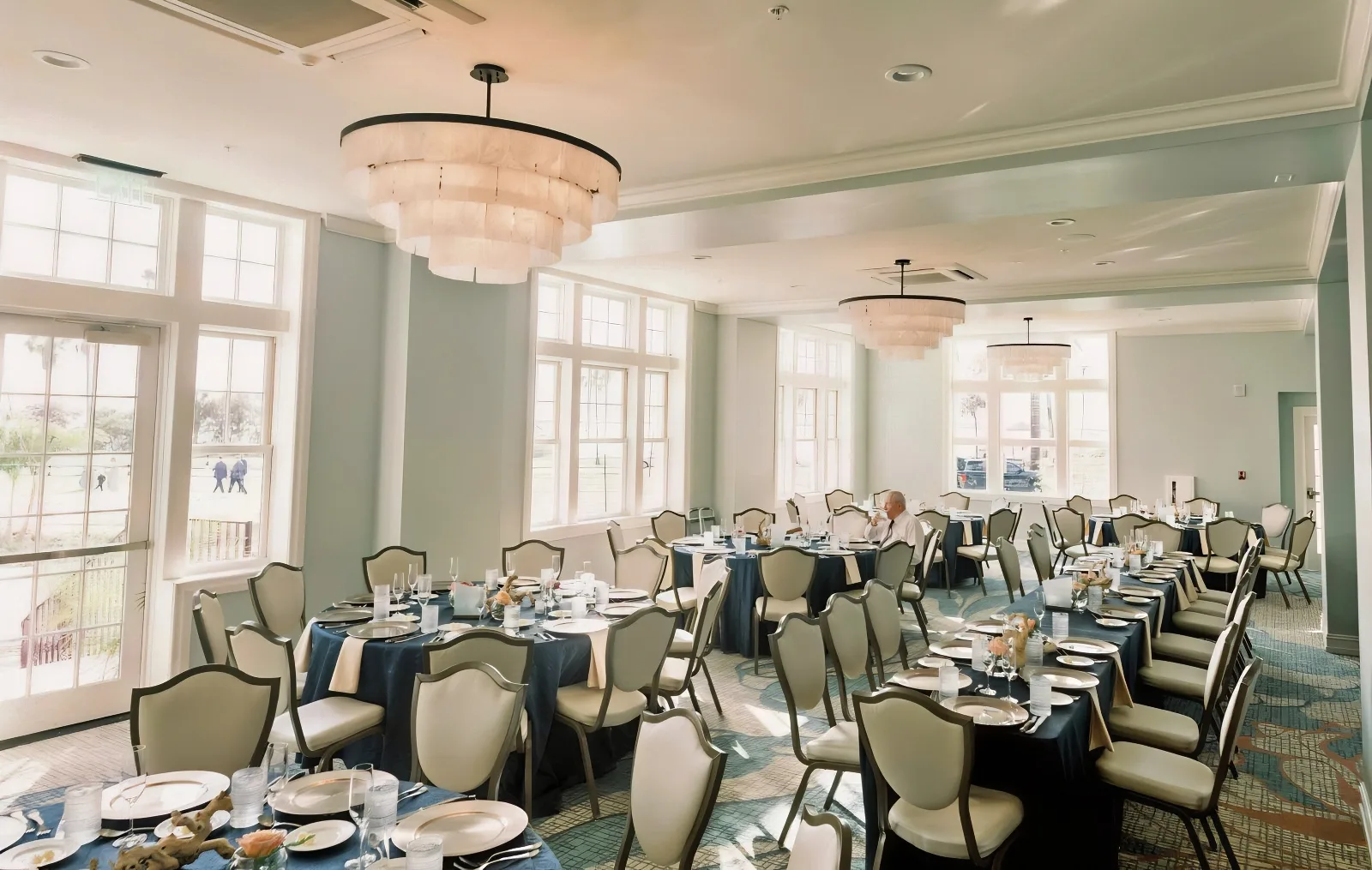
The Membrane Retrofit: Wall Blokker Pro & Floor Blokker
- Walls: Wall Blokker Pro mass-loaded vinyl on each side of the demising wall framing
- Drywall: Single layer of 5/8″ Type X each side over the membrane
- Floors: Floor Blokker on the wood joist floor system before new flooring went down
- Total Thickness Added: Roughly 1/4 inch per wall face, no detectable loss of room area
- Reversibility: Membrane install does not modify the original framing, important for heritage tax credit projects
The membrane delivers acoustic mass without the structural rebuild that resilient channel requires. It installs directly on the existing framing, gets covered by a single drywall layer, and disappears inside the wall assembly. The 1/4 inch of added thickness per face was inside the tolerance the architect could absorb. The original room dimensions stayed intact.
For a parallel residential adaptive reuse case using the same membrane approach, see the adaptive reuse apartment soundproofing study.

STC 50+ on 1920s Wood-Frame Walls
The post-install test confirmed STC 50+ on the treated walls. The membrane plus single drywall assembly outperformed the original wood-stud lath-and-plaster construction by a wide margin, and matched what a modern code-spec metal-stud demising wall would have delivered in a new-construction hotel.

What Historic Hotel Developers Should Spec
- Field Audit: Sample STC on a representative demising wall before specifying the retrofit scope
- Thickness Budget: Confirm with the architect how much wall thickness the floor plan will tolerate
- Membrane Approach: Wall Blokker Pro on existing framing keeps total added depth under half an inch
- Floor System: Floor Blokker on wood joists addresses IIC at the same time as wall STC
- Heritage Compliance: Verify the retrofit is reversible if heritage tax credits or landmark status require it
The discipline matters. Historic conversions punish developers who skip the field audit and assume modern STC math applies. The right scope starts with what the existing assembly actually delivers and what the floor plan can absorb in added thickness.
Conclusion: Historic Hotel Soundproofing Done Right
Historic hotel restorations face an acoustic problem modern hotel builds do not. The walls are wood-frame, the floors are joist, and there is no spare thickness anywhere in the building. A mass-loaded membrane retrofit clears the modern STC 50+ target without adding meaningful wall depth, without modifying the original framing, and without forcing the architect to redraw the floor plan. The Fenway delivered boutique-tier speech privacy inside the 1926 building envelope.
If you are scoping a historic hotel conversion or any adaptive reuse hospitality project, talk to an acoustic consultant about the demising wall scope before drywall goes up.
FAQs: Historic Hotel Soundproofing & Adaptive Reuse
What STC do historic hotels need to hit?
Boutique and upscale historic hotels typically target STC 50 to 55 between guest rooms, matching modern hospitality brand standards. The challenge is hitting that number in pre-1940 wood-frame construction where the original walls test in the low 30s and there is no room for thick modern wall buildouts.
Can you soundproof a 1920s hotel without rebuilding the walls?
Yes. A mass-loaded vinyl membrane like Wall Blokker Pro installs directly on the existing wood-stud framing under a single drywall layer, delivering STC 50+ without modifying the original framing or stealing room area. The total added thickness lands around a quarter inch per face.
Why does resilient channel not work for historic hotel retrofits?
Resilient channel adds 5/8 to 7/8 of an inch per treated face, which compounds to more than an inch of new thickness on every demising wall in the property. Most historic hotels cannot absorb that much added depth without redesigning the floor plan, which the preservation envelope often does not allow.
Does membrane soundproofing protect heritage tax credit eligibility?
In most cases yes. Mass-loaded membrane installs without modifying the original framing and can be removed if needed, which keeps the project within the reversibility expectations of historic tax credit programs and landmark preservation reviews. Confirm with the project’s historic preservation consultant before specifying.

Walker Peek|Founder & CEO, Commercial Acoustics
Walker founded Commercial Acoustics in 2013 to bring aerospace-grade engineering discipline to soundproofing, and runs the firm as CEO from its 12,000 sq ft Tampa production facility. The company designs custom acoustic panels, sound membranes, and masking systems for multi-family, hospitality, healthcare, and commercial projects across the US — built around Walker’s invention, Wall Blokker, an EVA-based sound barrier that hits STC 50-plus at roughly $1 per square foot installed.
A Jacksonville native, Walker spent five years at Kennedy Space Center with Craig Technologies before founding Commercial Acoustics — certifying aerospace manufacturing to the AS9100 standard and leading Six Sigma Black Belt process-improvement teams on NASA programs. He is a certified Industrial Noise Control Engineer and the author of Architectural Acoustics: A Practical Handbook.
