

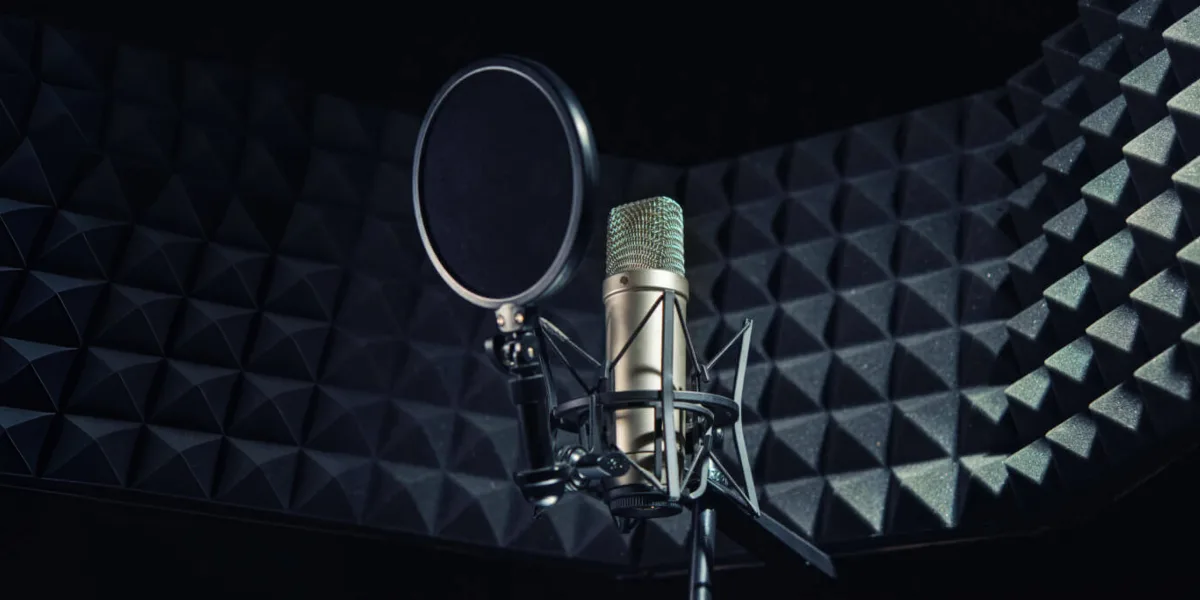
A real-room test with RT60 measurements at zero, four, and five panels — how the Sabine formula plays out in practice, what smartphone meters actually capture, and panel counts by room type you can pressure-test against.
20
Mar
Mar
What the absorption coefficient actually measures, how to read alpha values from 0 to 1, and how to use them to predict echo, reverb, material performance, and acoustic design results.

10
Mar
Mar
Why heavier studs reduce sound isolation — the counterintuitive physics of stiff partitions, what typically lands a wall at STC 40, and the changes that push it past code minimum.

06
Mar
Mar
STC explained from the ground up — what the rating measures, how it’s tested, typical numbers for common assemblies, why higher always means better, and how to use the number when specifying walls, floors, and ceilings.
28
Feb
Feb
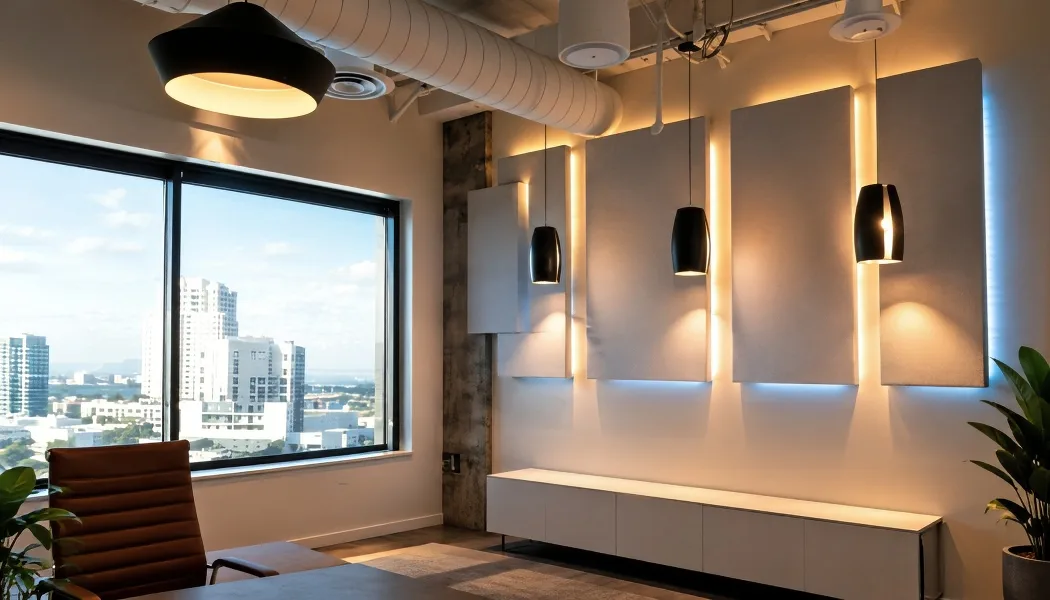
14 custom fabric-wrapped acoustic panels installed across walls, ceiling, and accent zones under lighting in a downtown Clearwater corporate conference room — pulling RT60 from 1.2 seconds down to 0.7 to land inside the telecom-call clarity window.
27
Feb
Feb
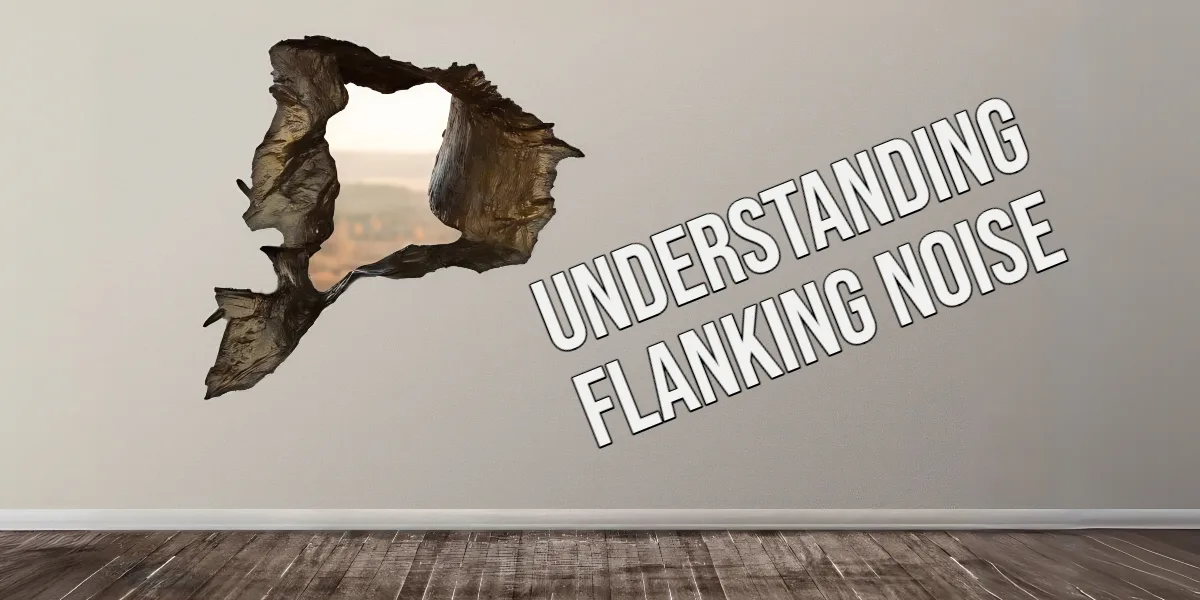
Why a high-STC wall can still fail — flanking paths through floors, ceilings, ducts, and framing, how they degrade designed performance, and the early-coordination moves that keep them from undoing the spec.
15
Feb
Feb
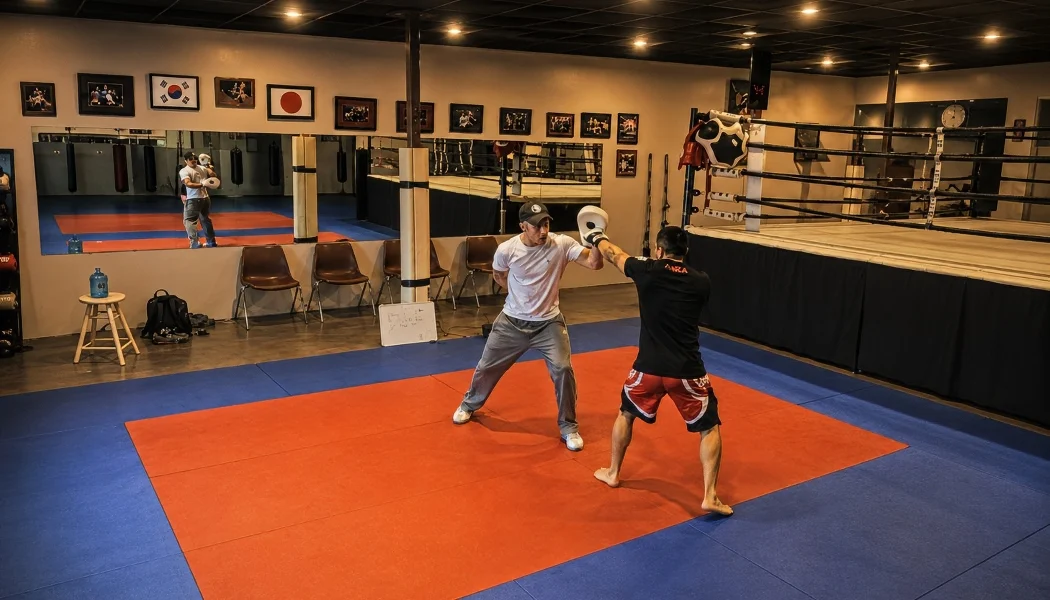
STC 55 Wall Blokker Pro demising-wall overlay plus a centrally-controlled audio system with capped dBA limits at an I Love Kickboxing franchise studio in a multi-tenant Alpharetta retail strip — keeping bag impact and class music inside the unit.
09
Feb
Feb
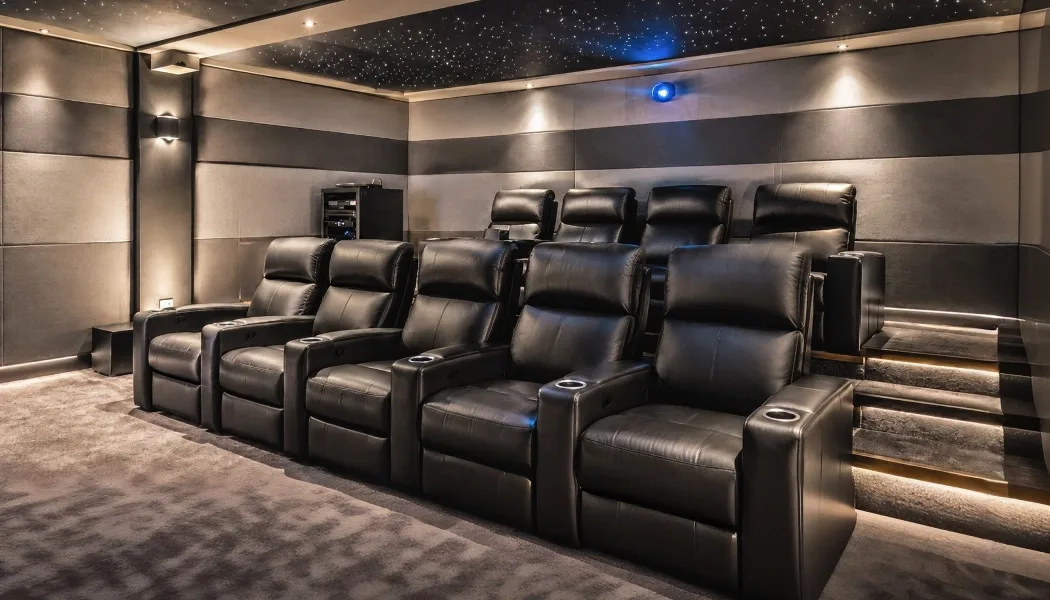
Floor-to-ceiling stretched fabric acoustic wall system custom-built for a luxury Clearwater home theater — 1″ fiberglass core wrapped behind continuous fabric and topped with a fiber-optic starlight ceiling fabric for the homeowner’s private cinema room.
09
Feb
Feb
24 large-format 3’×6′ fabric-wrapped panels installed in a symmetric layout across Blue Heron Pines clubhouse in Punta Gorda — dropping RT60 from 1.5 down to 1.05 seconds and clearing a 40%+ reverberation reduction across the high-tapered-ceiling great room.
09
Feb
Feb
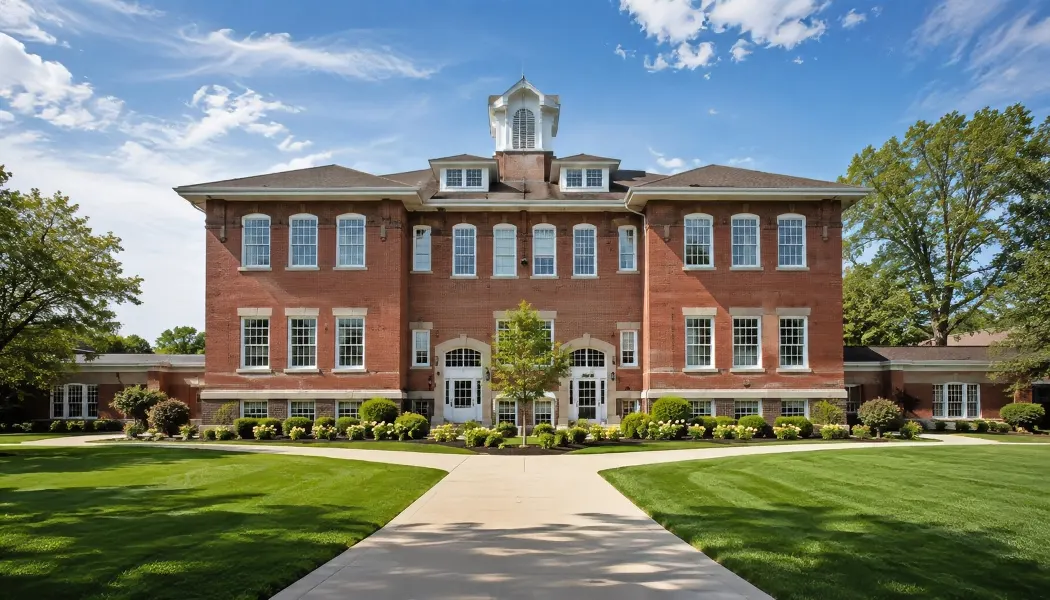
STC-compliant wall assemblies using a Wall Blokker membrane substitution for a new early-childhood education building at a Tampa prep school — engineered alongside Siebein Acoustical Consultants to hit ANSI S12 and LEED v4 targets while trimming build cost.