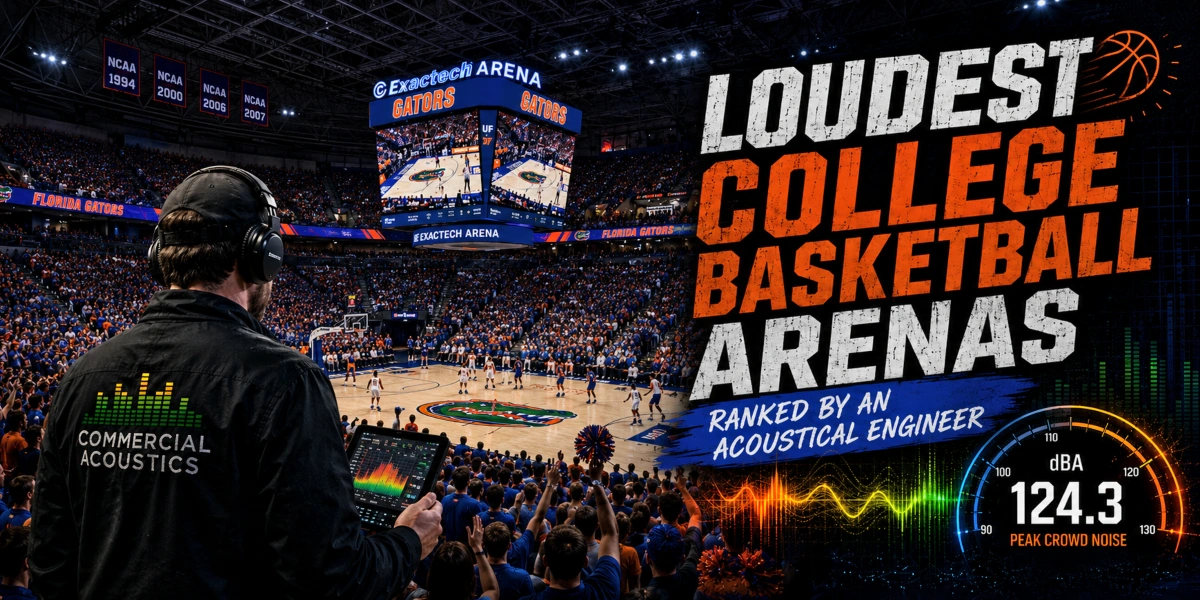
The 50 loudest college basketball arenas ranked on a 100-point loudness index. Kansas owns the 130.4 dBA Guinness record, Gonzaga is the per-seat king, and Duke is the most feared road gym in the sport.

09
Oct
Oct
A continuous suspended acoustic ceiling took a glass-walled PwC office floor in Tampa from 1.3 to 0.6 seconds RT60, coordinated penetration by penetration against the architectural lighting package.
12
Aug
Aug
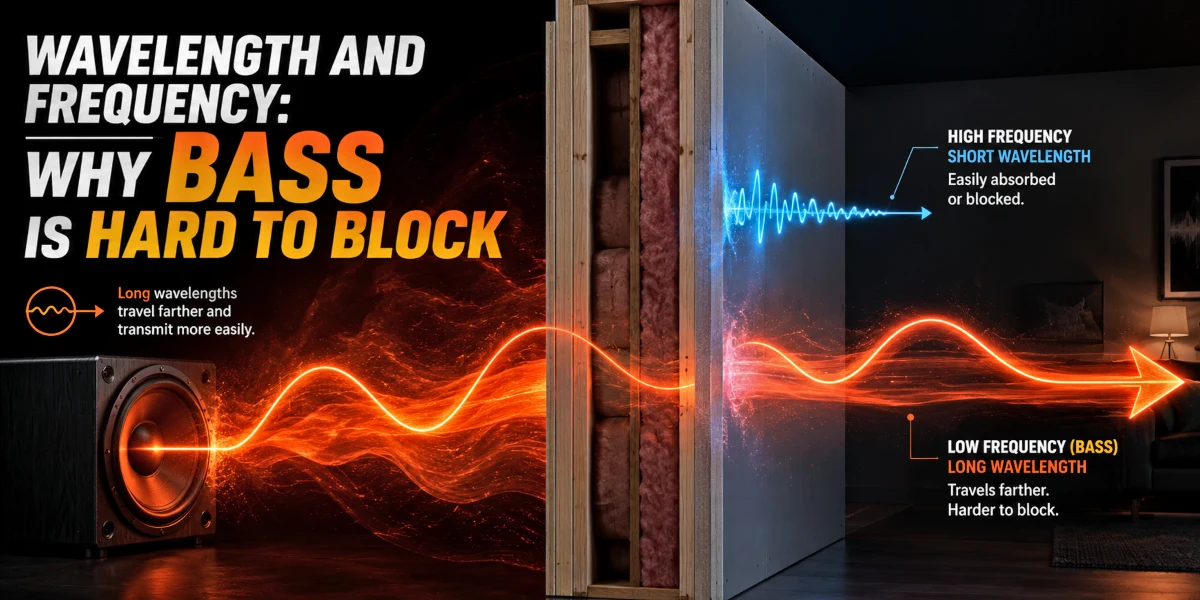
Bass is hard to block because its wavelengths are physically huge — a 100 Hz kick drum is 11 feet long. Diffraction, mass law, and mass-air-mass resonance all conspire against low-frequency isolation. The numbers, the physics, and what to do about it.
04
Aug
Aug
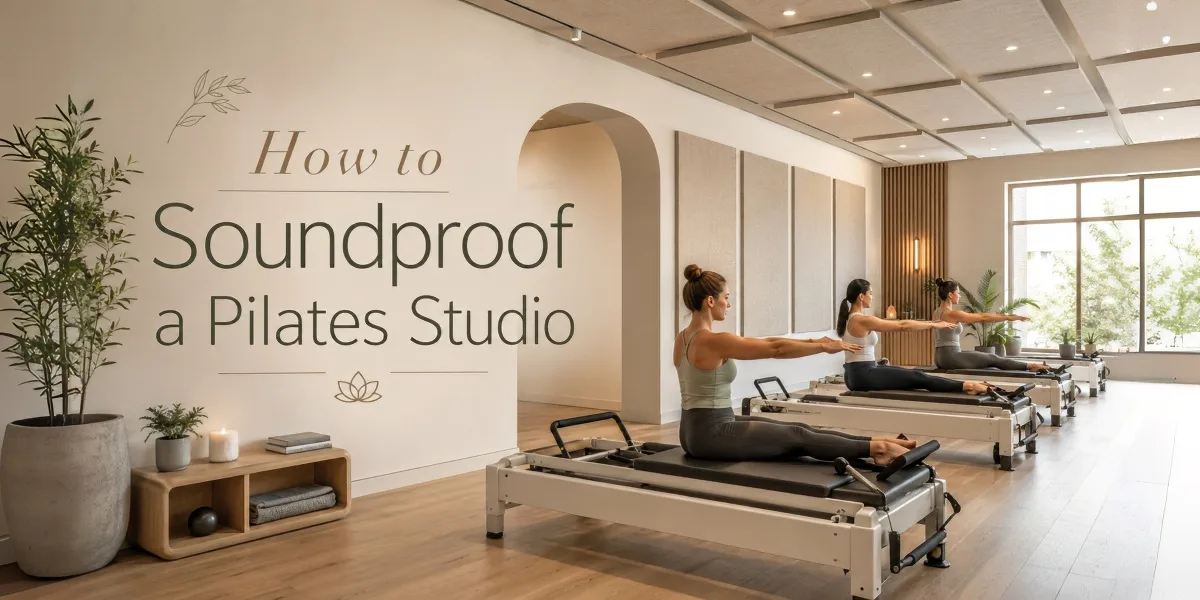
Pilates reformers generate 65–75 dBA of impact noise that transmits straight through the floor to whoever sits below. 7 prioritized strategies for soundproofing a pilates studio—equipment, isolation, demising walls, and more.

31
Jul
Jul
When background noise rises, talkers automatically raise their voice — about 0.3 to 0.6 dB per dB of added noise. The Lombard Effect explains why restaurants, gyms, and open offices spiral into noise, and what to do about it.

13
Jul
Jul
Preschool acoustics directly affect learning outcomes—ANSI-compliant classrooms produce 12% higher test scores. 7 prioritized strategies for hitting ANSI/ASA S12.60: ceiling, HVAC, STC 50+ walls, and the all-important multipurpose room.
23
Jun
Jun
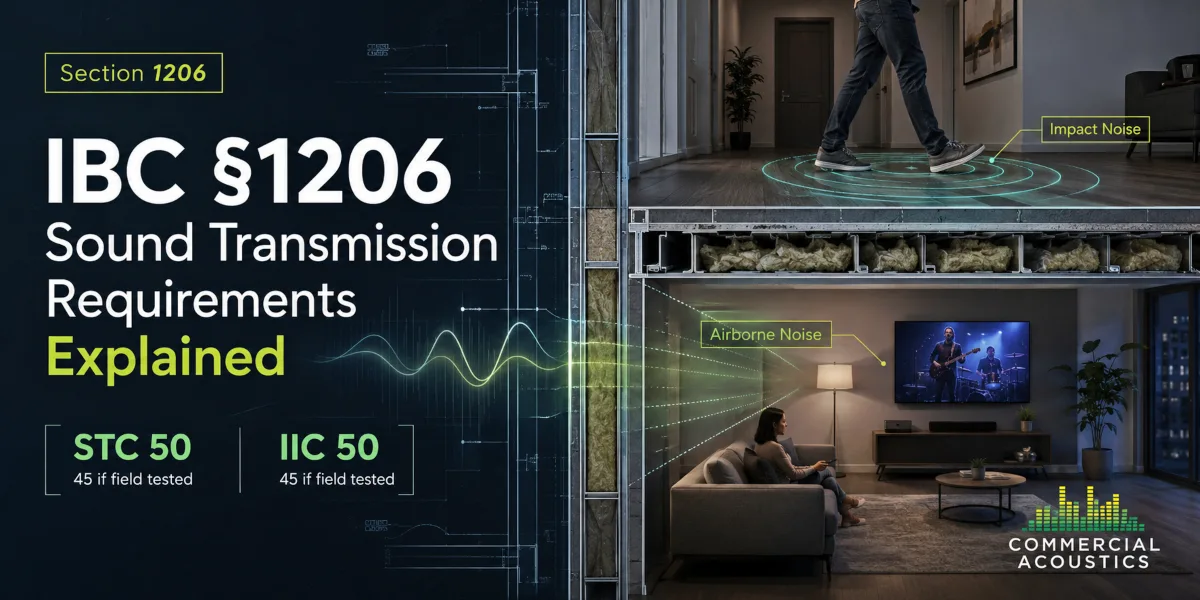
IBC Section 1206 requires STC 50 (lab) or NNIC 45 (field) for airborne sound and IIC 50 (lab) or AIIC 45 (field) for impact sound between dwelling and sleeping units. Here is what the code says, the ASTM standards behind it, and how to spec to land in compliance in the field.
15
Jun
Jun
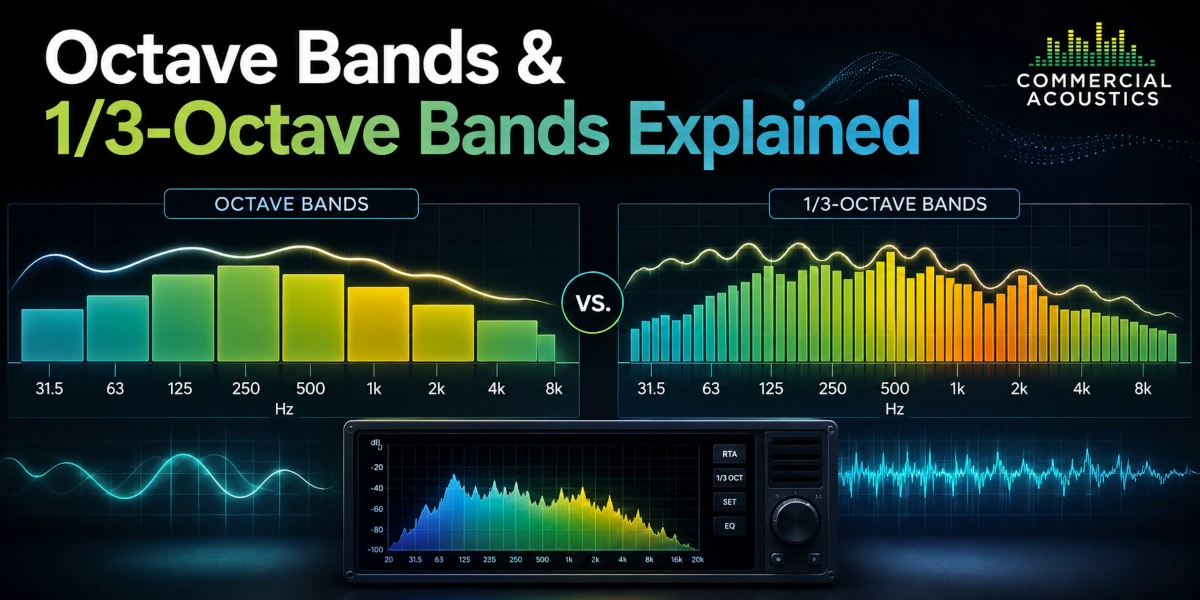
Octave bands and 1/3-octave bands group the audible range into standardized bins. Octaves give the broad shape of a spectrum; 1/3-octaves give the detail STC, NRC, and ordinance reporting require.
12
Jun
Jun
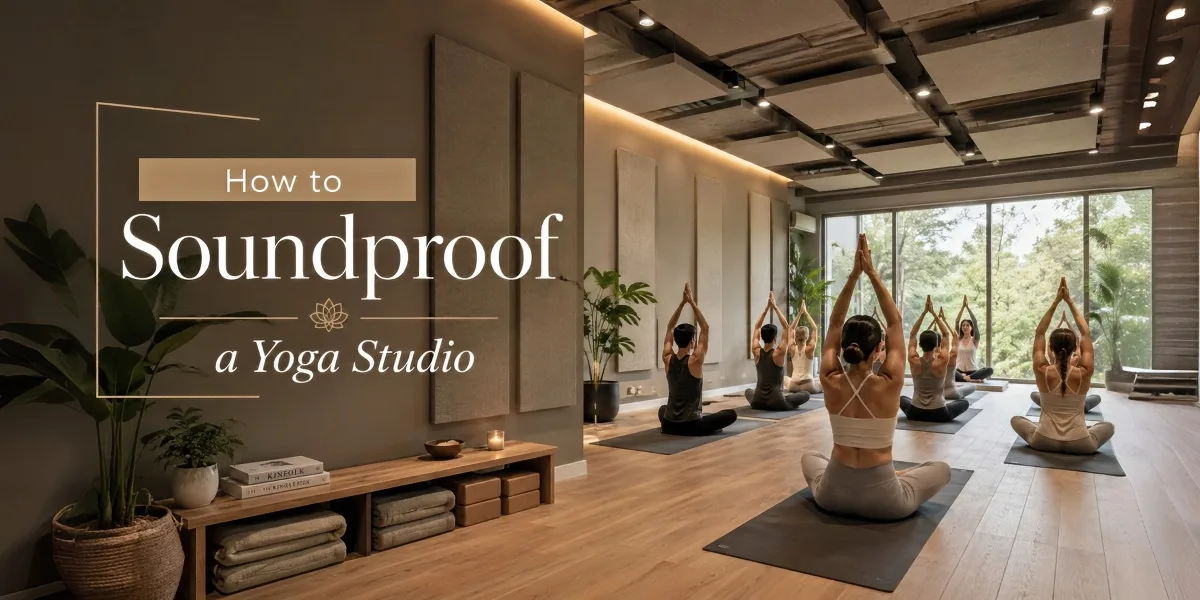
Yoga studios need silence as the product. 7 prioritized strategies—STC 50+ demising walls, sealed doors, ceiling clouds, NC 30 HVAC, and more—for blocking neighbor noise and creating a tranquil practice environment.
11
Jun
Jun
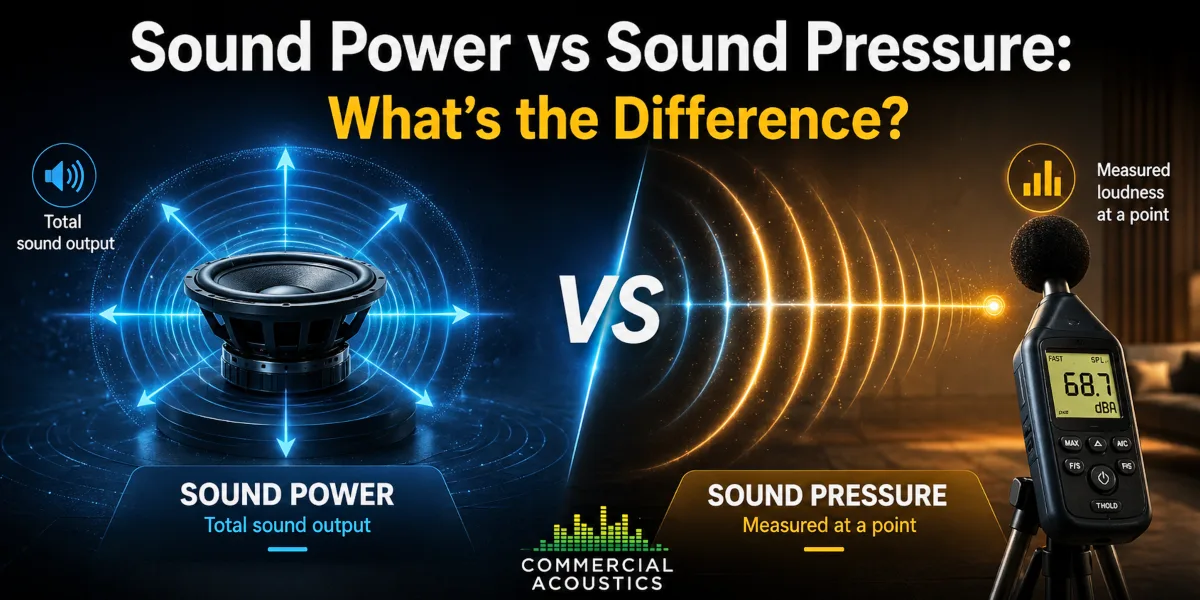
Sound power is the energy a source emits; sound pressure is what a listener hears. Mix them up and you miss the spec by 10–20 dB. Here is the difference, the conversion, and where each one belongs.