
Table of Contents
Project Overview: Corporate Open Office Sound Masking
- Project: Open Office Sound Masking, Accounting and Sales Division
- Location: 1827 Northpointe Parkway, Suite 100, Lutz, FL 33558
- Facility Type: Corporate HQ Open Office, Cubicle Layout with Executive Demising Walls
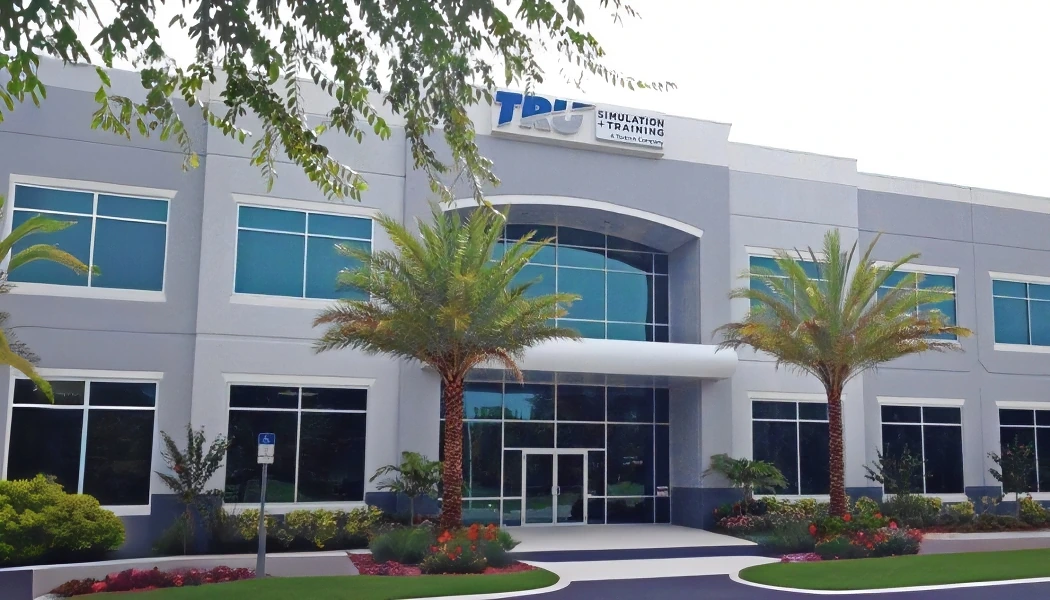
- Client: Tru Simulation + Training (Textron Inc. Subsidiary)
- System: Lencore-Based Sound Masking, Tuned to 47 to 48 dBA
- Scope: Site Analysis, Speaker Layout, Two-Zone Control, Room Tuning
The Open Office Privacy Problem at a Defense Contractor HQ
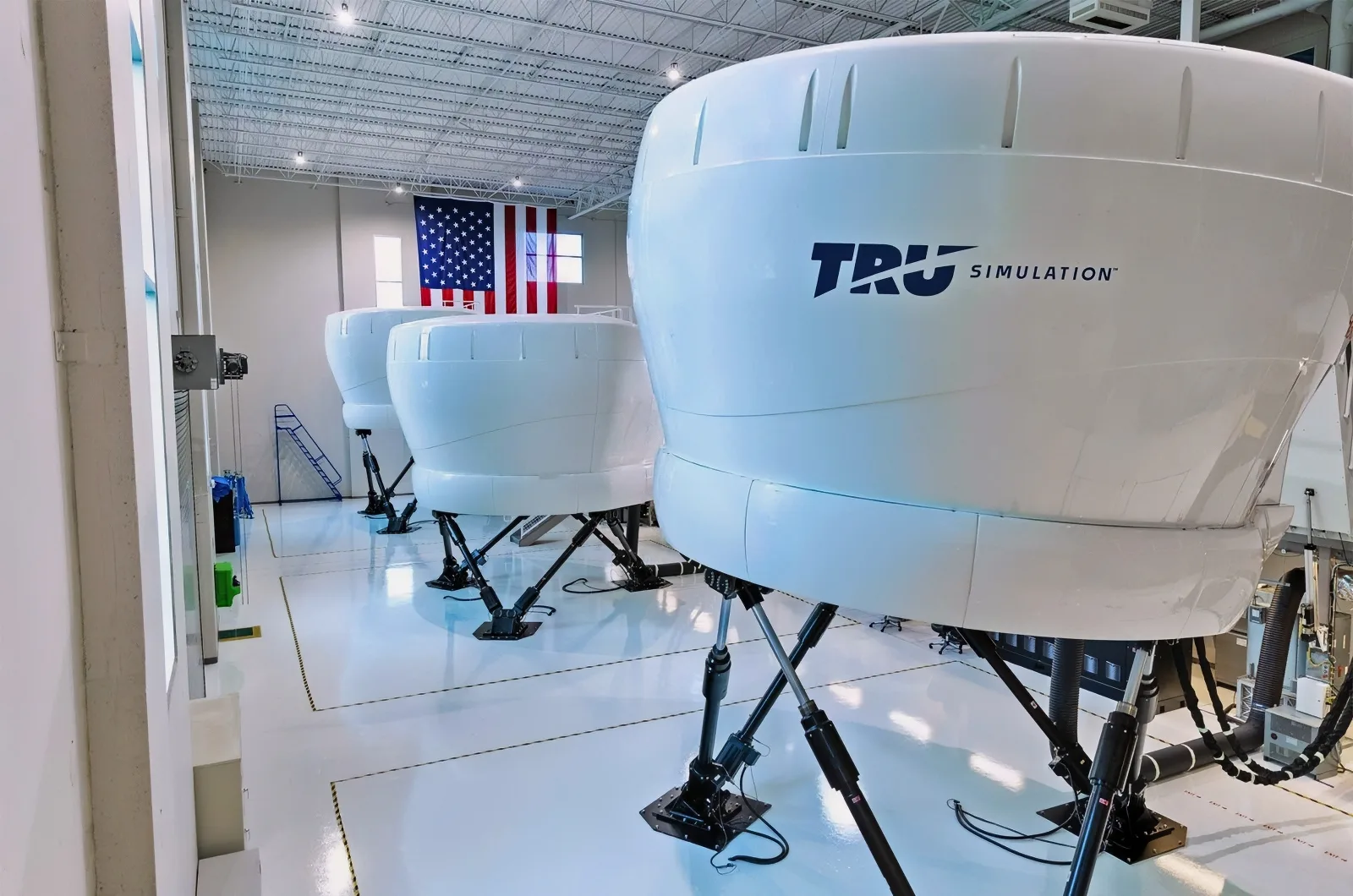
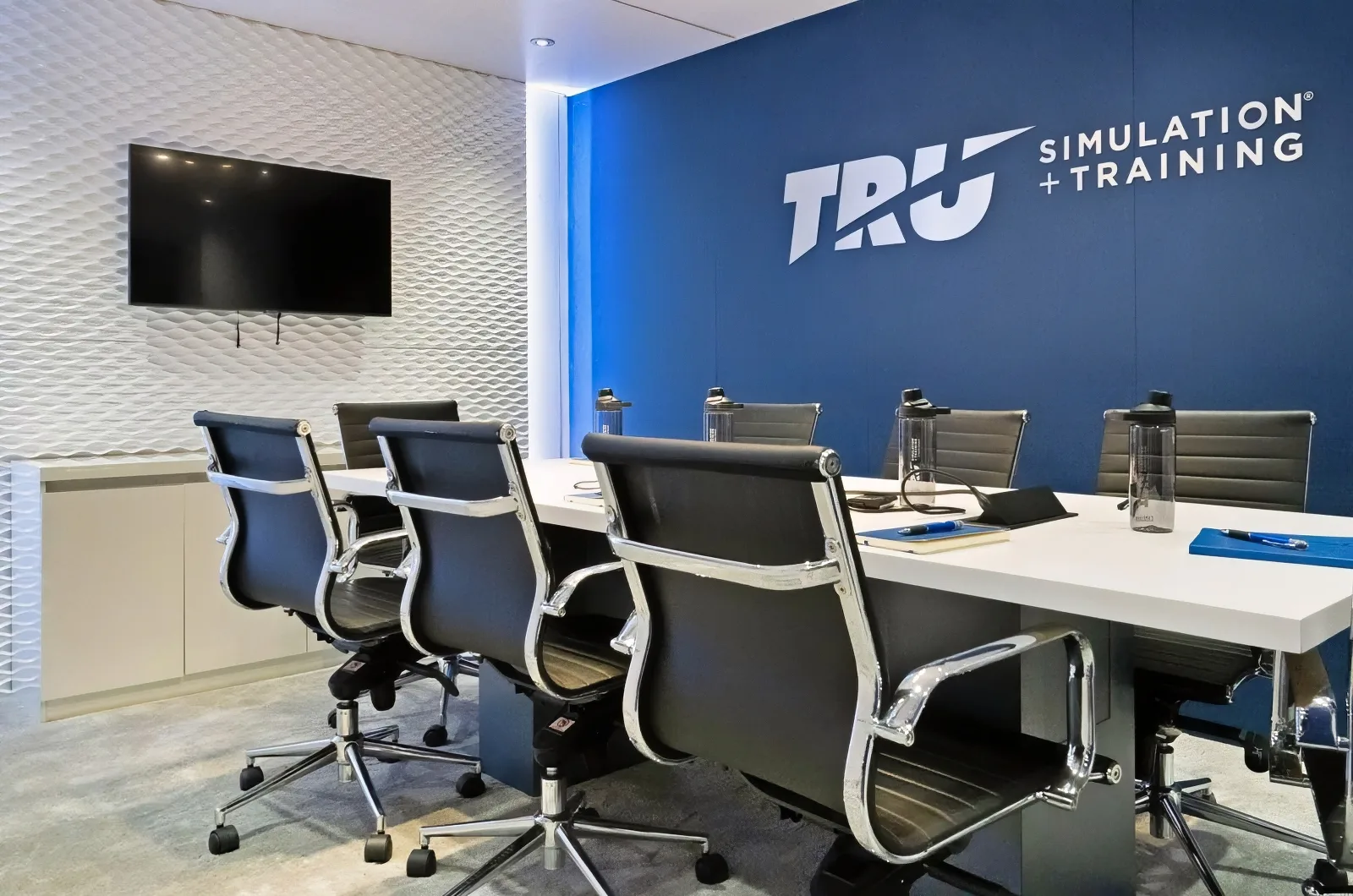
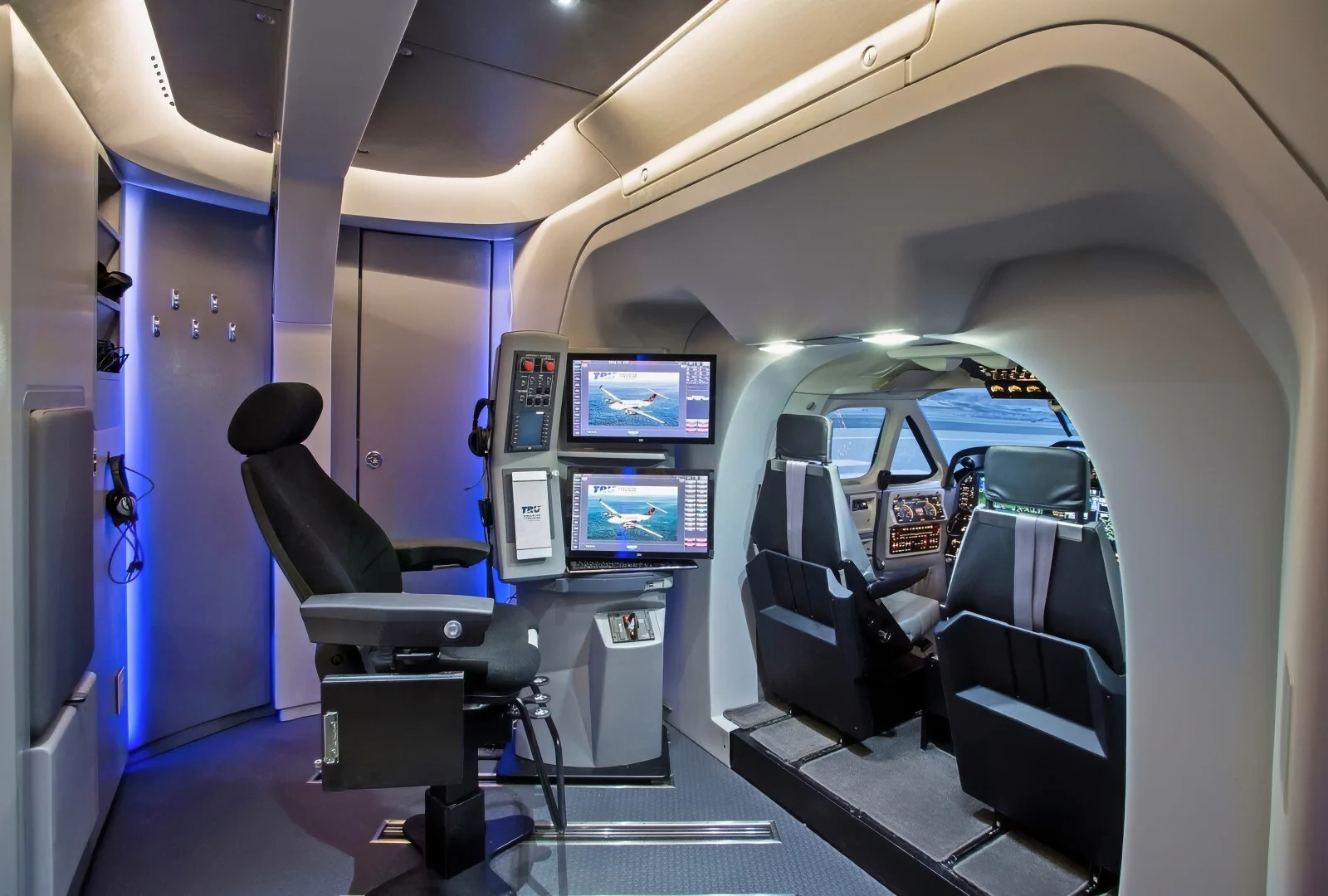
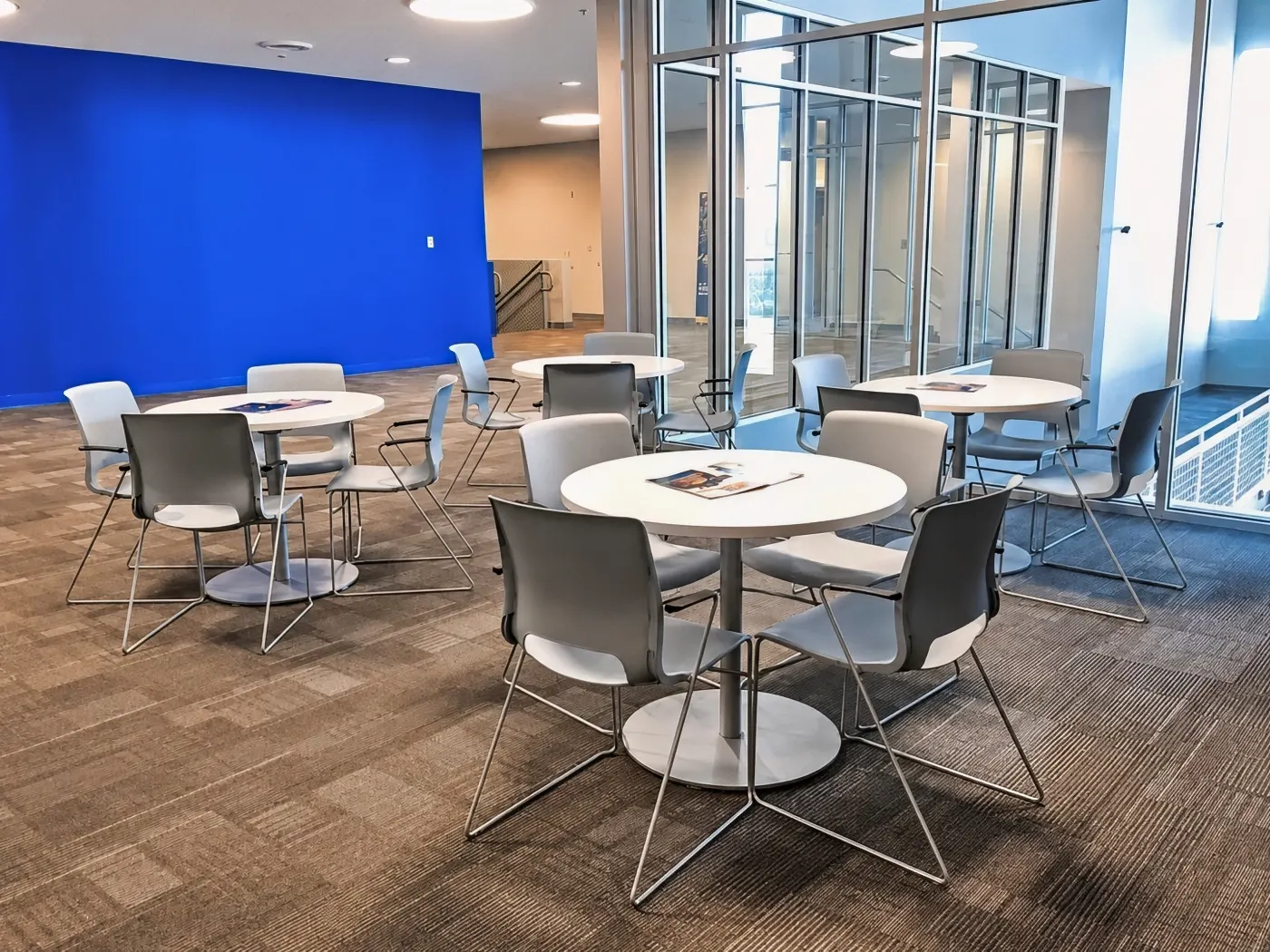
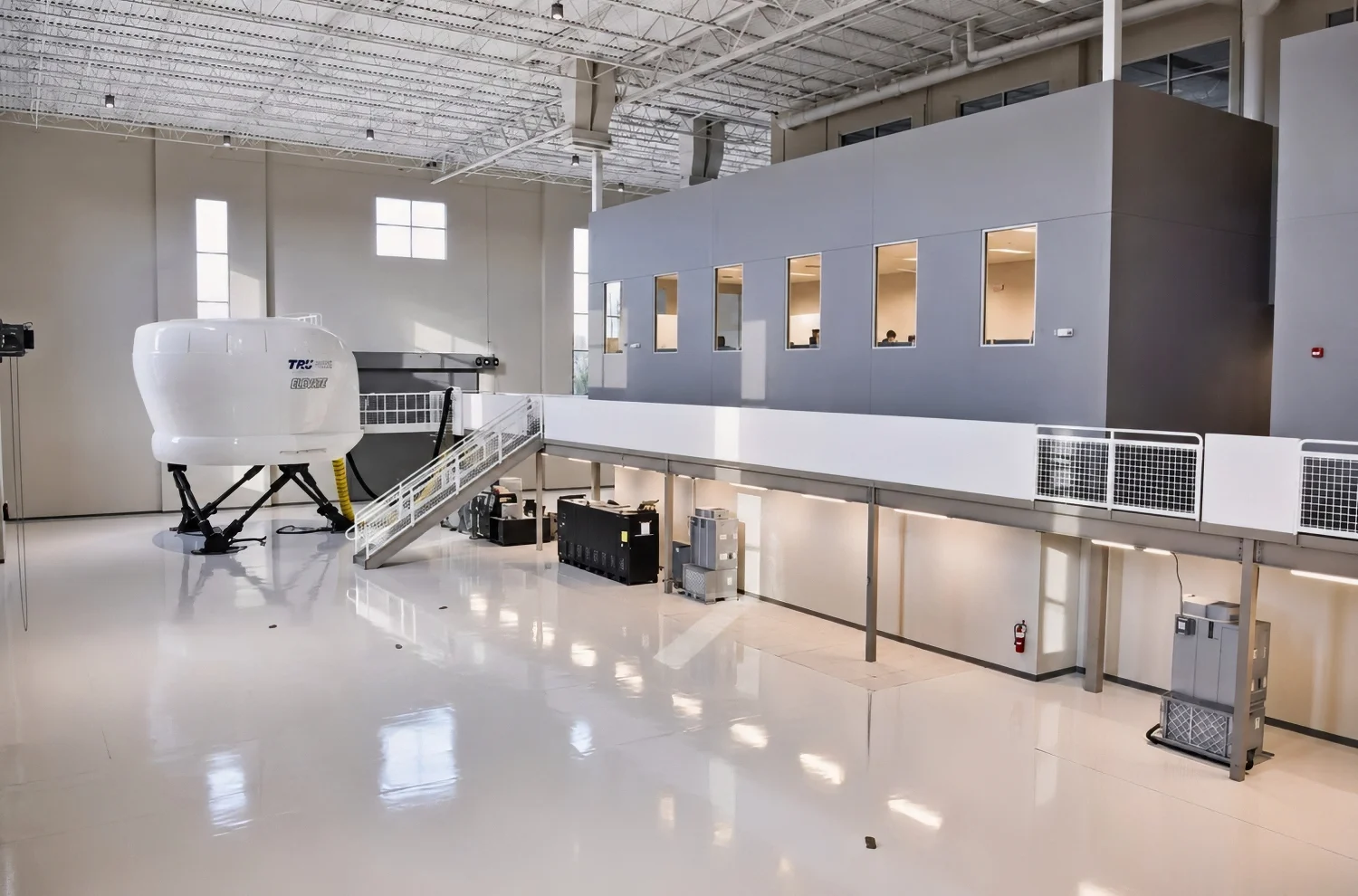
Tru Simulation + Training is a Textron Inc. subsidiary, headquartered in the Tampa metro and known for developing, manufacturing, and maintaining flight training systems for both civil and defense aviation. The accounting and sales division at the Northpointe Parkway HQ ran in an open cubicle layout with the same problem every corporate open plan ends up with: nonexistent background noise, every conversation easily understood across the floor, and clients walking through often enough that open office noise control mattered.
Speech privacy concerns in a corporate open office come down to three categories: financial information leaking from the accounting team, deal terms leaking from the sales team, and general professional discomfort when every phone call is ambient theater. Tru’s leadership called us in to scope an acoustic solution before the noise problem turned into an HR or compliance one.
Why Sound Masking (Not Baffles) Was the Right Tool Here
- Executive Walls: Already extended to deck — not a sound transmission issue
- HVAC Returns: Shared returns ran across the open office, sealing them was prohibitive
- Ceiling Tile Grids: Standard ACT grid acted as a flanking path
- Walls Not to Deck: Open plenum above the cubicle partitions
The initial site visit ruled out half the project. The executive offices already had demising walls run to the deck, so transmission out of those rooms was not the problem. That left the open office, where the actual issue was the absence of background noise rather than the presence of any single transmission path.
Sealing the flanking paths in the open office would have meant baffles and deflectors at every shared HVAC return, gasketing every ceiling tile grid joint, and extending every cubicle partition to deck — three categories of work that priced out far above what the privacy gain would have justified. Sound masking attacks the same problem from the receiver side instead of the source side: raise the noise floor by 3 to 6 dB and the same conversations become unintelligible at the cubicle next door without touching a single flanking path. That was the right trade for this room. For the deeper read on the design tradeoffs in any masking project, the sound masking system design guide walks through the spectrum and zoning decisions.
Lencore Sound Masking System Specification
- Platform: Lencore networked sound masking system
- Target Level: 47 to 48 dBA across the cubicle field
- Spectrum: Tuned to the Lencore standard masking curve
- Zone Control: Two control panels, one on each side of the building
The 47 to 48 dBA target is the working window for corporate open offices — high enough to mask normal conversation at the cubicle next door, low enough that staff inside the masked zone do not perceive it as deliberate noise. The masking curve itself sounds like HVAC airflow to the ear, which is part of the design: if the masking is noticed, the install is wrong.
Two control panels split the system into independently managed zones, one for each side of the building. That gave Tru’s facility team the ability to tune one side of the floor without touching the other — useful for renovations, dense-meeting days, or troubleshooting a single area. The product line itself is the Lencore-based sound masking system we deploy across most corporate installs.
Speaker Layout and Cat5 Wiring
- Speaker Placement: Hidden above the acoustic ceiling tile grid
- Wiring: Cat5 from each primary speaker to slaved secondaries
- Tuning: Per-zone sweep to balance the spectrum and dBA evenly
- Visibility: Zero — speakers and wiring sit entirely above the ceiling plane
Above-ACT placement is the standard for open-office sound masking because the masking spectrum diffuses through the tile grid into the room evenly. Surface-mount speakers in a ceiling that already has tile would read as obvious acoustic gear and undercut the “sounds like the HVAC” effect that makes masking work in the first place.
Cat5 to slaved secondaries kept the wiring labor manageable across a large floor without requiring an audio amplifier per speaker. Each primary speaker drives a small cluster of secondaries on its zone; the Lencore platform handles signal distribution and per-channel gain. After the speakers were live, the install team walked the room with a calibrated meter and tuned every zone to the same 47 to 48 dBA target across the floor.
When Corporate Open Offices Need Sound Masking
- Trigger: Conversations easily understood across cubicle rows
- Diagnostic: Background noise floor below 38 dBA
- Decision: Flanking paths cheaper to mask than to seal
- Common Settings: Accounting, sales, legal, executive, financial services floors
The signal that an open office needs sound masking is rarely volume — it is the absence of volume. Modern open plans are built quiet (low-noise HVAC, sound-absorbing finishes, carpet underfoot), which sounds like a feature on the spec sheet but kills speech privacy in practice. Without a baseline noise floor, every spoken word travels clearly. Sound masking restores the floor without raising real noise.
The decision criterion between masking and source-side acoustic work (panels, baffles, partition extensions) usually comes down to flanking paths and budget. If the office has shared HVAC returns, walls that stop at the ceiling, or open plenum above cubicle partitions — and most modern corporate floors have all three — masking is almost always the cheaper path to the same speech privacy outcome. For a sister sound-masking install in an open/closed mixed environment, see the NOAA office sound masking case study. For a financial-services build that took a similar approach, the Bank of America sound masking project covers a parallel decision tree.
Conclusion: Corporate Open Office Sound Masking
The Tru Simulation install at the Northpointe Parkway HQ landed at the 47 to 48 dBA Lencore target across a two-zone open office, with above-ACT speakers driven through Cat5 to slaved secondaries. The decision to mask rather than chase flanking paths came directly from the acoustic survey — shared HVAC returns and walls not to deck would have priced any sealing-based approach out of consideration. Sound masking solved the speech privacy gap from the receiver side at a fraction of the cost. The rest of our acoustic project catalog covers similar decision trees across other corporate, healthcare, and civic spaces.
FAQs: Corporate Open Office Sound Masking
What is sound masking and how does it work?
Sound masking is the deliberate addition of broadband background noise to a space so that conversations become unintelligible at a short distance from the speaker. The masking spectrum sounds like HVAC airflow to the ear and raises the noise floor by 3 to 6 dB. At the right level, voices that previously carried across an open office become muffled within a few cubicles.
When should you choose sound masking over wall treatment?
Sound masking beats wall treatment when the office has flanking paths that would be expensive to seal — shared HVAC returns, ceiling tile grids, walls that stop at the ceiling. Modern corporate floors usually have all three. Masking attacks the problem from the receiver side, which is far cheaper than sealing every flanking path on the source side.
What dBA should sound masking be tuned to in an open office?
Corporate open offices tune to 47 to 48 dBA across the cubicle field. Below 45 dBA the masking is too quiet to cover normal speech; above 50 dBA the staff start noticing it as deliberate background noise. The Tru Simulation install hit the 47 to 48 dBA target with a Lencore-based system, two-zone control, and above-ceiling speaker placement.
Does sound masking work in cubicle layouts?
Yes — cubicle layouts are the most common deployment scenario. Above-ACT speakers diffuse the masking spectrum through the tile grid evenly, so every cubicle gets the same noise floor. The masking does not need line of sight to the speaker; it just needs the spectrum delivered evenly across the floor at the target dBA.

Walker Peek|Founder & CEO, Commercial Acoustics
Walker founded Commercial Acoustics in 2013 to bring aerospace-grade engineering discipline to soundproofing, and runs the firm as CEO from its 12,000 sq ft Tampa production facility. The company designs custom acoustic panels, sound membranes, and masking systems for multi-family, hospitality, healthcare, and commercial projects across the US — built around Walker’s invention, Wall Blokker, an EVA-based sound barrier that hits STC 50-plus at roughly $1 per square foot installed.
A Jacksonville native, Walker spent five years at Kennedy Space Center with Craig Technologies before founding Commercial Acoustics — certifying aerospace manufacturing to the AS9100 standard and leading Six Sigma Black Belt process-improvement teams on NASA programs. He is a certified Industrial Noise Control Engineer and the author of Architectural Acoustics: A Practical Handbook.
