

Table of Contents
Project Overview: Acoustic Design for a Historic Public Theatre
- Project: Tampa Theatre Screening Room Renovation
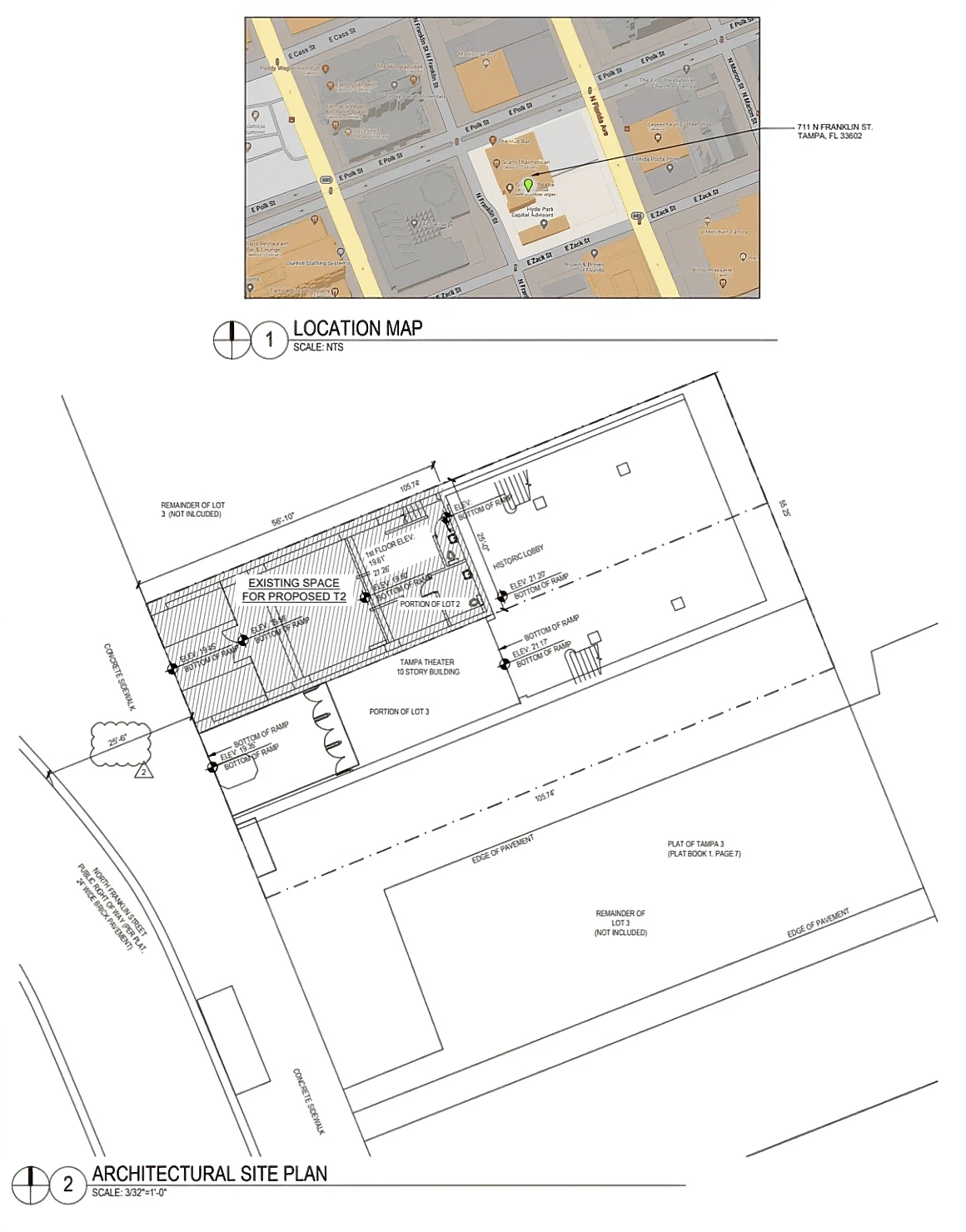
- Address: 711 N Franklin St, Tampa, FL 33602
- Client: Tampa Theatre
- Facility Type: Historic Public Theatre with New Screening Room
- Contractor: Creative Contractors, Inc.
- Objective: Create immersive acoustic design for a 42-seat screening room
- Scope: 2,550 sq ft of stretched fabric, felt panels & fiberglass board
Tampa Theatre—a nearly century-old landmark and one of Florida’s most recognizable public theatres—sought to expand its programming with a more intimate venue. The new 42-seat screening room needed to deliver a rich cinematic experience while preserving the elegance of the historic structure. Commercial Acoustics was brought in to provide an acoustic design solution that would improve sound performance without altering the theatre’s visual character.

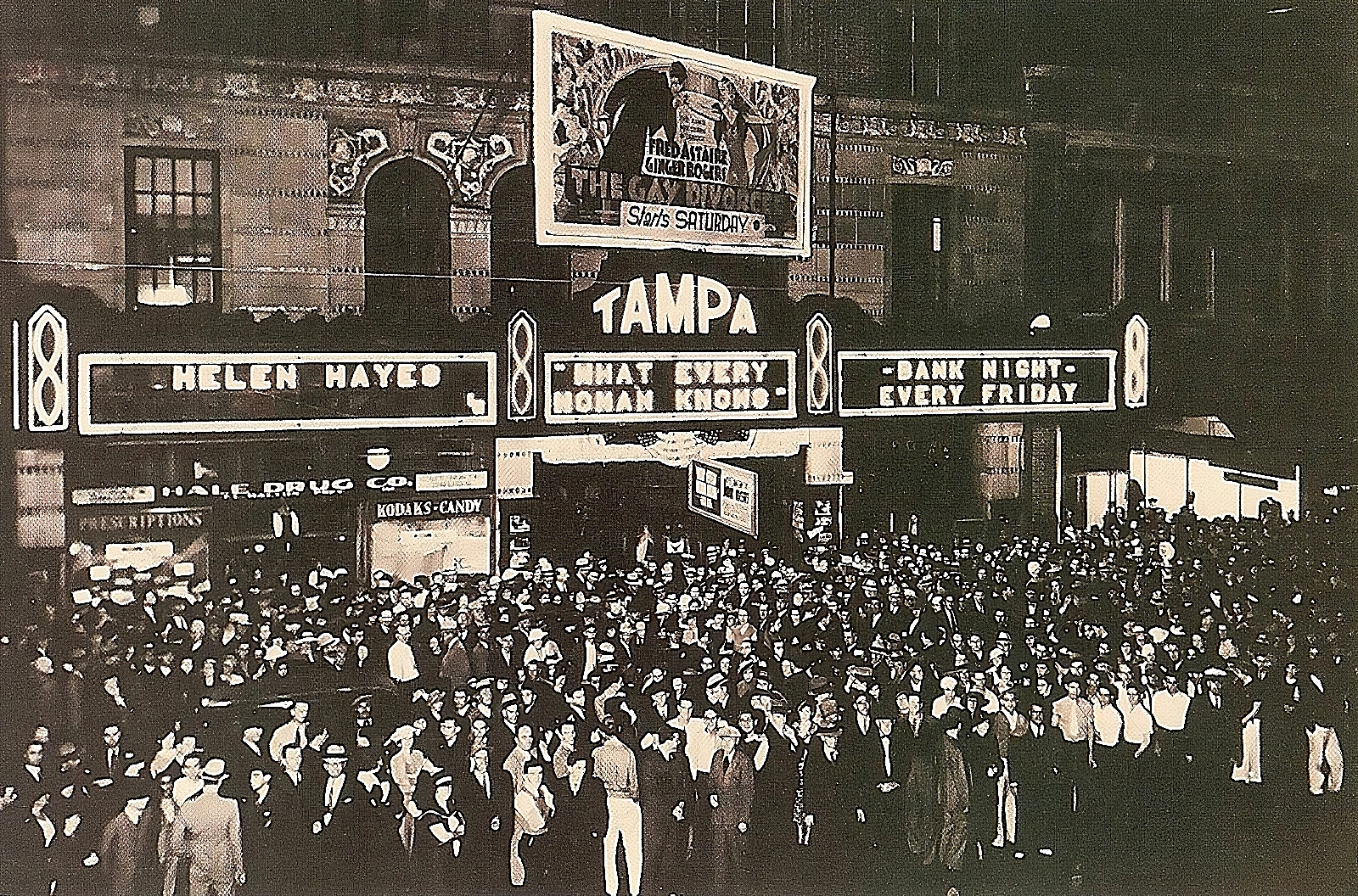
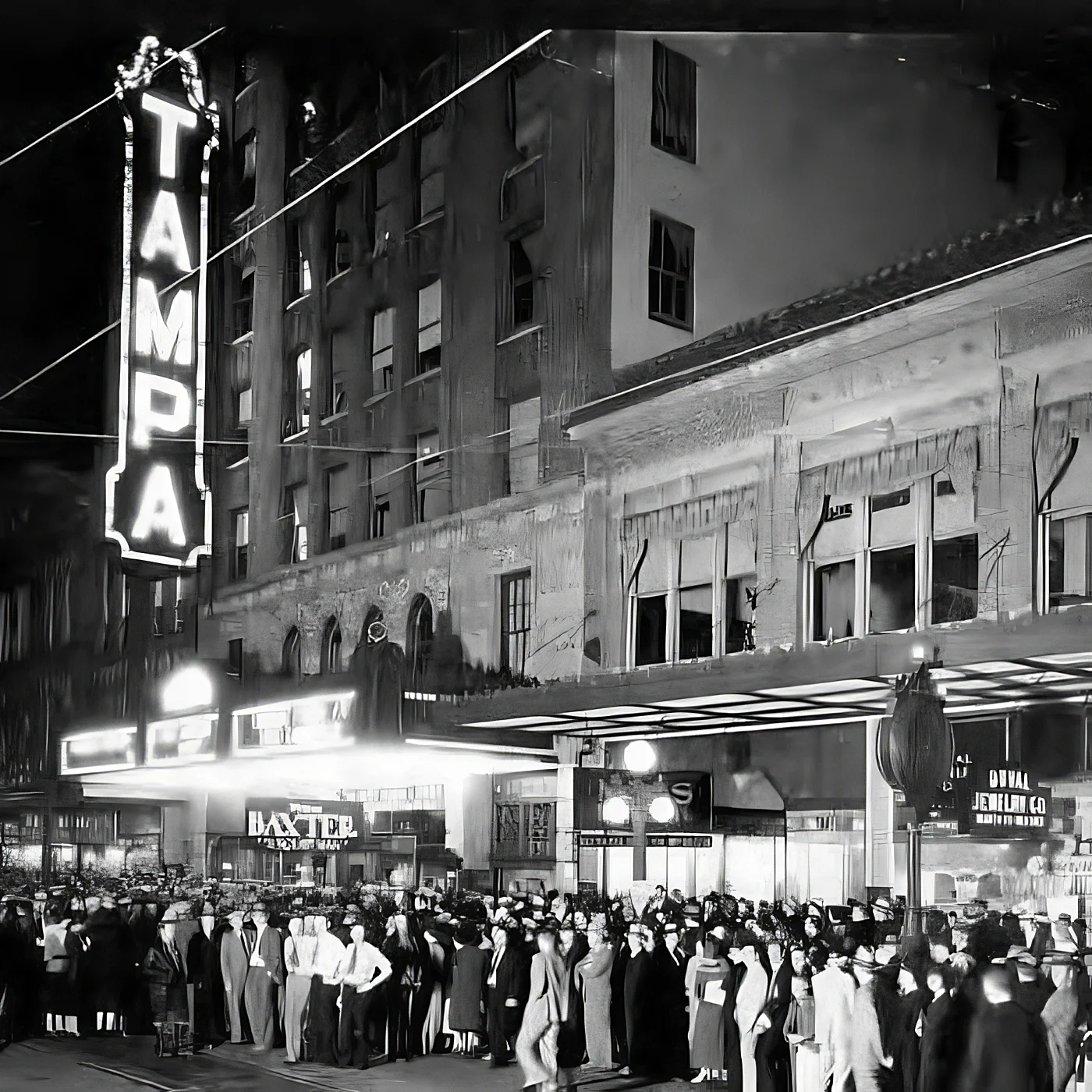
Historic Context: A Century of Grandeur & Preservation
- Opened: 1926 as Tampa’s first atmospheric movie palace
- Architect: John Eberson, known for immersive Mediterranean Revival designs
- Innovation: Among Tampa’s first buildings with air conditioning
- Rescued: Saved from demolition in 1973 and fully restored over time
Tampa Theatre opened in 1926 during the golden age of movie palaces, offering a transportive experience unlike anything else in Florida at the time. Architect John Eberson’s vision featured a Mediterranean courtyard under a starry ceiling—brought to life with ornate plasterwork, thematic lighting, and immersive detailing. It quickly became one of the region’s most beloved cultural landmarks.
The theatre was also ahead of its time in terms of comfort and engineering. At a time when most Floridians relied on ceiling fans, Tampa Theatre became one of the first public venues in the city to feature air conditioning—a major innovation that helped build its reputation as a destination.
In the 1970s, the theatre faced the threat of demolition, but a coalition of preservationists and local citizens rallied to save it. It reopened in 1978 and was added to the National Register of Historic Places. Since then, the building has undergone multiple restoration phases—including seating, systems, and now a custom-built screening room—each upgrade carefully balancing heritage and performance.
Architect Profile: John Eberson & Atmospheric Theatre
- Pioneer: Originator of the atmospheric theatre style in the early 1920s
- Prolific: Designed 100 atmospheric theatres, including Tampa Theatre in 1926
- Signature Style: Starry ceilings, Mediterranean motifs & immersive illusion
John Eberson was a European-born architect who transformed the theatre experience in the early 20th century by introducing the atmospheric style. His work created the illusion of outdoor environments—complete with twilight skies, faux facades, and dramatic lighting—designed to transport audiences far beyond the city streets outside.
By the time Tampa Theatre was built in 1926, Eberson had refined this design language into a fully immersive and theatrical experience. His theatres blended storytelling, architecture, and emotion—turning moviegoing into an event.
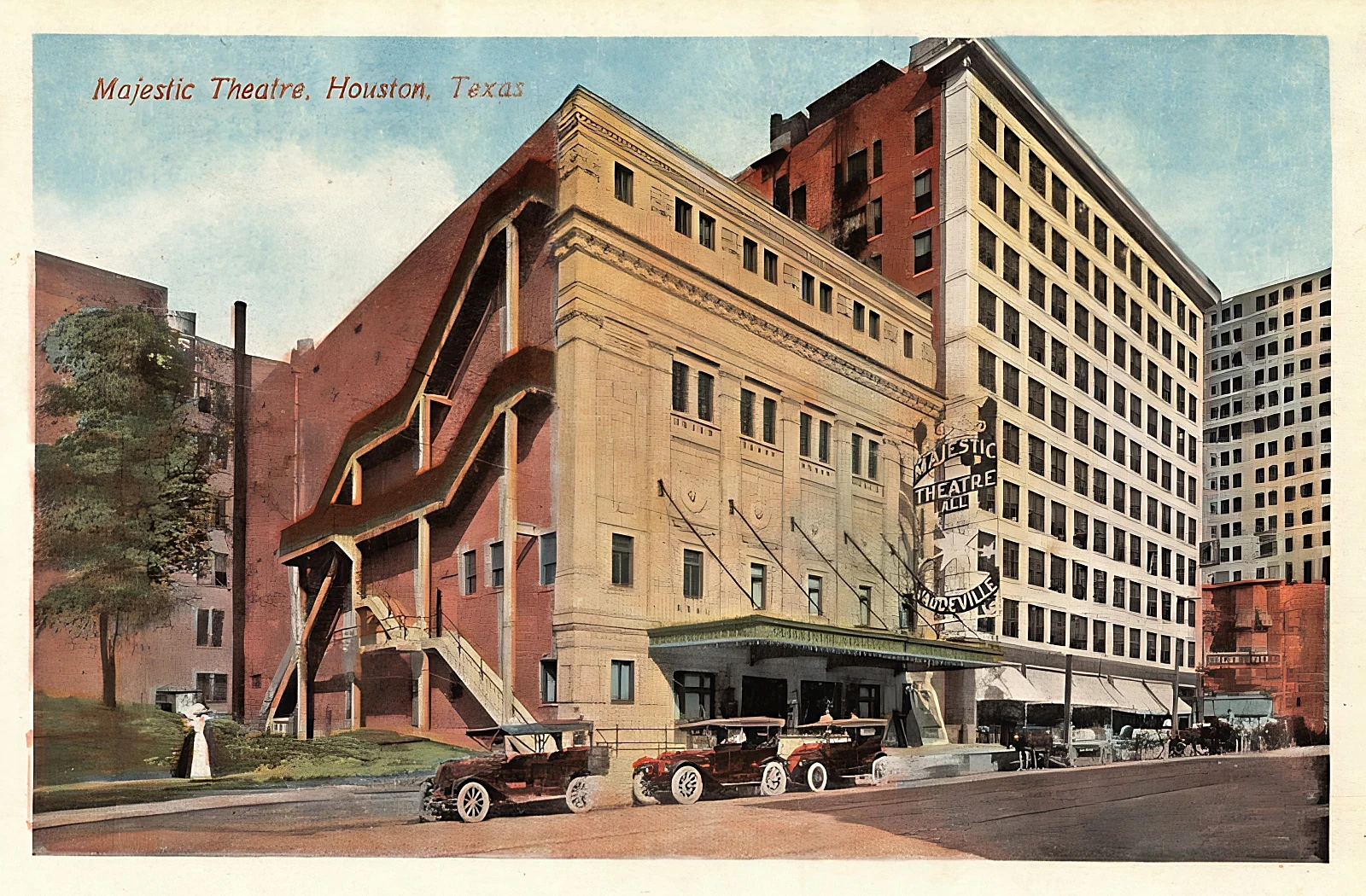
Eberson’s atmospheric theatres appeared in cities across the U.S., including the Majestic in Dallas, Loew’s Akron in Ohio, and the Avalon in Chicago. Each adapted his signature style to its setting while preserving the interior illusion that defined his work. His legacy continues to shape modern performance architecture, especially when historic venues are updated to meet technical needs—like acoustic design—without losing their original artistry.
For architects and general contractors, Eberson’s work offers both inspiration and responsibility. Any upgrade—from lighting to acoustic systems—must elevate performance while preserving the immersive character he so carefully created. Tampa Theatre remains one of the best examples of how that balance can be achieved.

Acoustic Design Requirements for a Public Theatre
- Coverage: Full acoustic treatment on walls, ceiling, and flooring
- Materials: Absorptive products that match historic finishes
- Durability: Engineered for daily use in public theatre spaces
Renovating a public theatre brings challenges beyond sound quality. Acoustic solutions must integrate seamlessly with historic architecture and complement ornate finishes—not fight against them. For Tampa Theatre, that meant selecting materials that performed acoustically while preserving the visual integrity of the space.
We also had to account for wear and tear. Public theatres host hundreds of events a year, and every surface is subject to constant use. Our approach combined long-lasting materials with precise layout coordination to ensure both performance and longevity. It’s this kind of dual-purpose acoustic design that makes upgrades in legacy spaces truly successful.
Stretched Fabric Wall System for Sound Absorption
- Product: 1″ thick acoustic stretched fabric wall
- Surface Area Treated: 2,550 sq ft across walls and ceiling
- NRC Rating: 0.8–1.15 depending on configuration
- Purpose: Mid-to-high frequency absorption with minimal footprint
- Integration: Neutral ceiling panels & decorative wall option
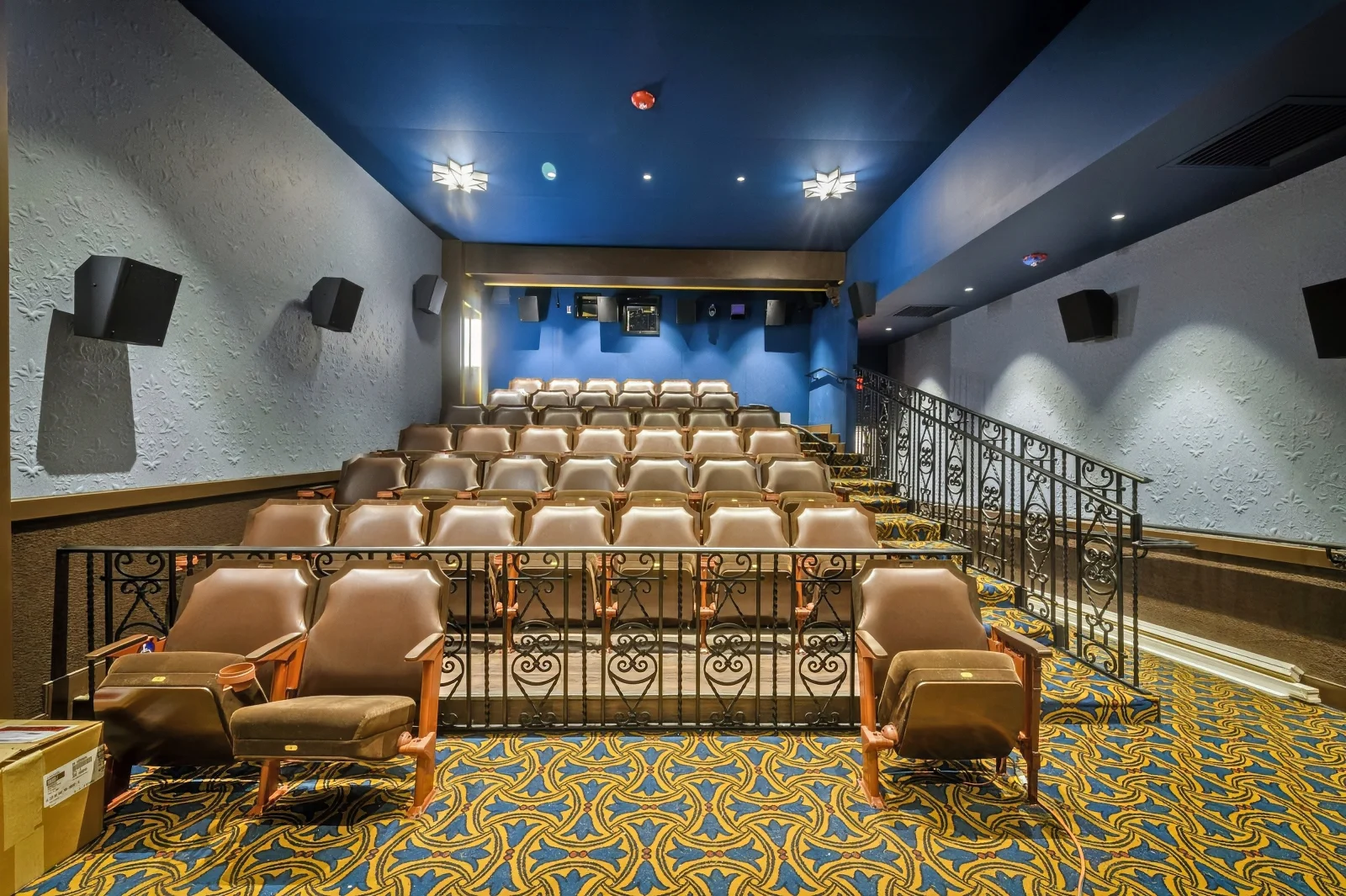
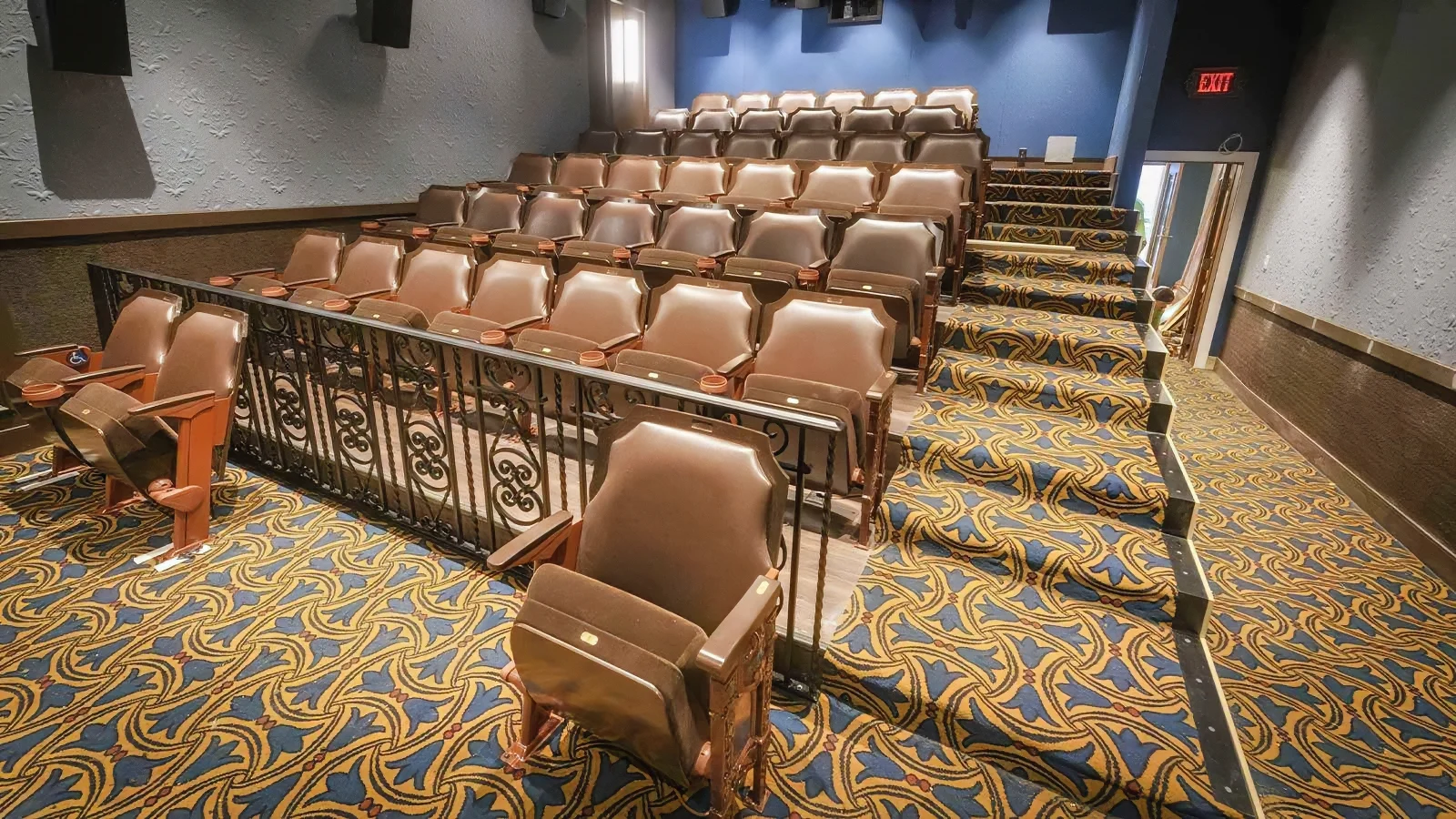
The stretched fabric wall system formed the acoustic foundation of Tampa Theatre’s screening room. With 2,550 square feet of continuous coverage, it was installed on both walls and ceiling to create a uniform acoustic envelope. The 1″ thick system was chosen to optimize mid-to-high frequency absorption while maintaining a slim profile—an essential consideration in a compact 42-seat public theatre.
These systems are ideal for public theatre acoustic design because they absorb sound reflections without introducing visual bulk. The ceiling was kept a neutral tone to recede into the background, while wall surfaces were adapted to support both performance and aesthetics. High NRC performance ensured crisp dialogue, clear soundtrack reproduction, and an overall immersive guest experience—without visible soundproofing equipment interrupting the architectural flow.
Embossed Felt Panels as Decorative Acoustical Elements
- Pattern: Damask felt panels by MDC Zintra
- Purpose: Absorbs midrange frequencies & reduces flutter echo
- Aesthetic: Blends acoustic function with historic elegance
While the ceiling fabric was kept neutral, the wall panels presented an opportunity to match the screening room’s design to the rest of the historic theatre. MDC Zintra’s damask-patterned embossed felt was chosen for its ability to blend mid-frequency absorption with classic visual detailing.
This approach allowed us to use acoustic materials that didn’t just disappear into the background—but instead contributed to the room’s elegance. The felt panels added texture and depth while reducing flutter echo between parallel walls. In public theatres, where atmosphere is part of the experience, these design-conscious acoustic choices make a noticeable difference.
Fiberglass Panels for Low-Frequency Control
- Placement: Behind screen wall & beneath flooring
- Function: Controls bass buildup & vertical reverberation
- Benefit: Invisible solution for improved balance & clarity
In addition to the visible fabric and felt surfaces, we installed 2-inch thick black fiberglass panels on the screen wall and beneath the flooring. These hidden elements were critical for controlling low-frequency energy—especially important in a space where soundtracks and dialogue need to remain crisp and undistorted.
By placing fiberglass behind the projection screen and below the seating area, we controlled vertical and horizontal reverberation paths that typically go untreated in smaller screening rooms. This enhanced overall definition and made the room feel acoustically balanced from every seat. In a public theatre where acoustics must serve both technical and experiential goals, this level of control ensures guests can fully engage with the content.
Comprehensive Acoustic Design for Public Theatre Performance
- Approach: Ceiling, walls & floor treated holistically
- Flexibility: Suited for screenings, festivals & small events
- Impact: Balanced performance without disrupting the design
The effectiveness of this acoustic design came from a layered strategy. Instead of relying on one material or technique, we treated the room holistically—ceiling, walls, and floor—with different materials optimized for different frequencies. This made the space flexible for a range of uses, from private screenings to film festivals and small community events.
Our design not only addressed sound control but did so in a way that complemented the theatre’s legacy. The combination of absorbent materials and decorative patterns turned the screening room into a space that feels cohesive with the rest of the venue, while offering distinctly modern performance.
Acoustic Upgrades that Respect the Architecture
- Respect: Maintains integrity of a 100-year-old theatre
- Balance: Combines old-world charm with new acoustic precision
- Result: Enhances sound while preserving visual identity
Public theatre renovations—especially in buildings approaching 100 years old—require more than just functional improvements. The upgrades must respect the architectural context and reinforce the venue’s identity. In this case, the Tampa Theatre’s screening room didn’t just gain better sound; it preserved and enhanced the ambiance that makes the theatre beloved.
By using materials that are both customizable and technically robust, we helped the client achieve a unique blend of old and new. The screening room now operates at a professional acoustic standard, while maintaining the charm that’s drawn generations of visitors to the theatre.
Summary: How Acoustic Design Elevated a Public Theatre Renovation
The Tampa Theatre screening room renovation illustrates how modern acoustic design can elevate the guest experience without compromising the architectural legacy of a historic public theatre. With a strategic mix of stretched fabric wall, decorative felt, and concealed fiberglass, we created a space where audiences can become fully immersed—visually and acoustically.
Effective acoustic design in a public theatre must balance aesthetics, heritage, and performance. This project showcases how thoughtful sound treatment—integrated into walls, ceilings, and underfloor systems—can enhance dialogue clarity and sonic immersion without altering the character of a historic venue. For architects and general contractors, it’s a reminder that acoustic performance can be designed in from the start, not retrofitted as an afterthought.
If you’re planning an expansion, renovation, or retrofit of a performance venue, our team can help you craft an acoustic design that meets both technical standards and aesthetic demands. Reach out to our team to explore how we can support your next theatre project with materials, installation guidance, and expert design consultation.
FAQs: Acoustic Design in Historic Public Theatres
What materials are most effective for acoustic design in public theatres?
Stretched fabric wall systems, felt panels, and fiberglass boards are commonly used. Each addresses different parts of the frequency spectrum while offering design flexibility and durability for public venues.
Can acoustic materials be customized to match the design of a historic theatre?
Yes. Custom patterns, colors, and textures—like the damask felt used in Tampa Theatre—allow acoustic treatments to enhance or blend into architectural themes without compromising performance.
Why is low-frequency control important in small theatres?
Low-end buildup can muddy dialogue and disrupt sound clarity. Installing fiberglass behind screens or beneath floors helps absorb deep frequencies that fabric walls alone may not address.
How does acoustic design differ for a screening room versus a full auditorium?
Screening rooms require tighter acoustic control due to their smaller volume and proximity of surfaces. Treatments must be thinner and more precise to avoid over-dampening or spatial imbalance.
What support does Commercial Acoustics provide during design and install?
We assist with material selection, layout planning, site coordination, and delivery logistics to ensure your acoustic system integrates smoothly with the overall construction process.
