
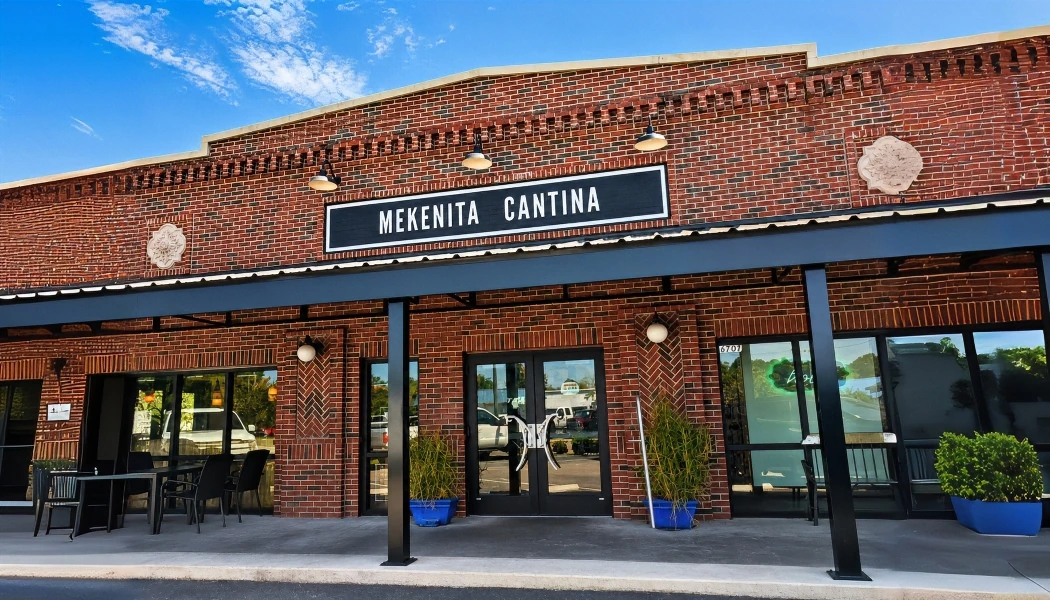
Acoustic ceiling clouds suspended with Rotofast bolts over a 1950s cement-board ceiling at Mekenita Cantina in north Tampa — RT60 cut from 1.05 down to 0.6 seconds inside the sealed-concrete-and-brick Mexican cantina interior.
26
Oct
Oct
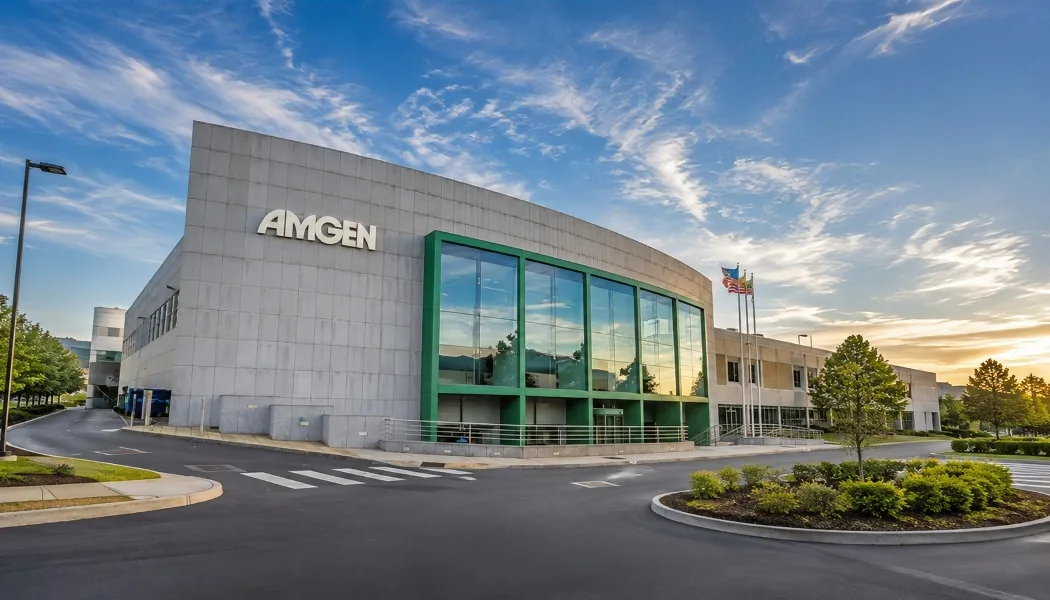
ASTM E336 ASTC field testing across 10 partitions inside Amgen Pharmaceuticals’ Washington, DC corporate office — measuring values from ASTC 27 to 38 across a Teknion modular wall system and pinpointing the flanking paths driving real-world speech transfer.
27
Sep
Sep
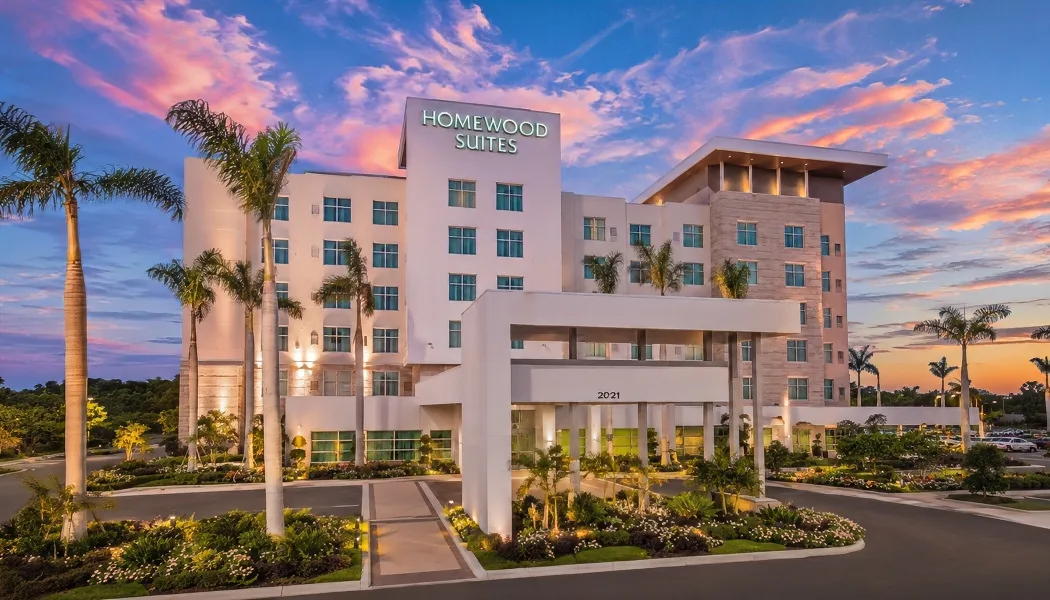
In-room HVAC closet retrofit at Homewood Suites by Hilton Sarasota/Lakewood Ranch — Mass Loaded Vinyl over fiberglass acoustic backing dropping cycled compressor and blower noise by 7 to 8 dBA at the pillow across the Hilton extended-stay property.
16
Aug
Aug
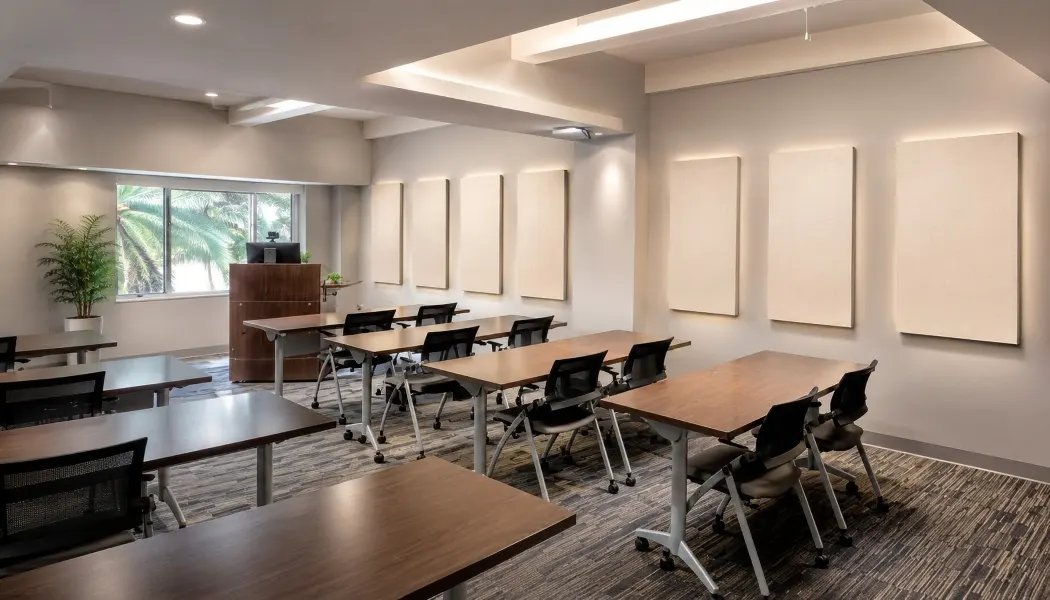
Acoustic panel installation for a healthcare telecom and presentation room at Ochsner Hospital in New Orleans — Sabin-recalculated treatment bringing RT60 from 1.1 down to 0.78 seconds, comfortably under the ceiling-mic intelligibility threshold.
25
Jul
Jul
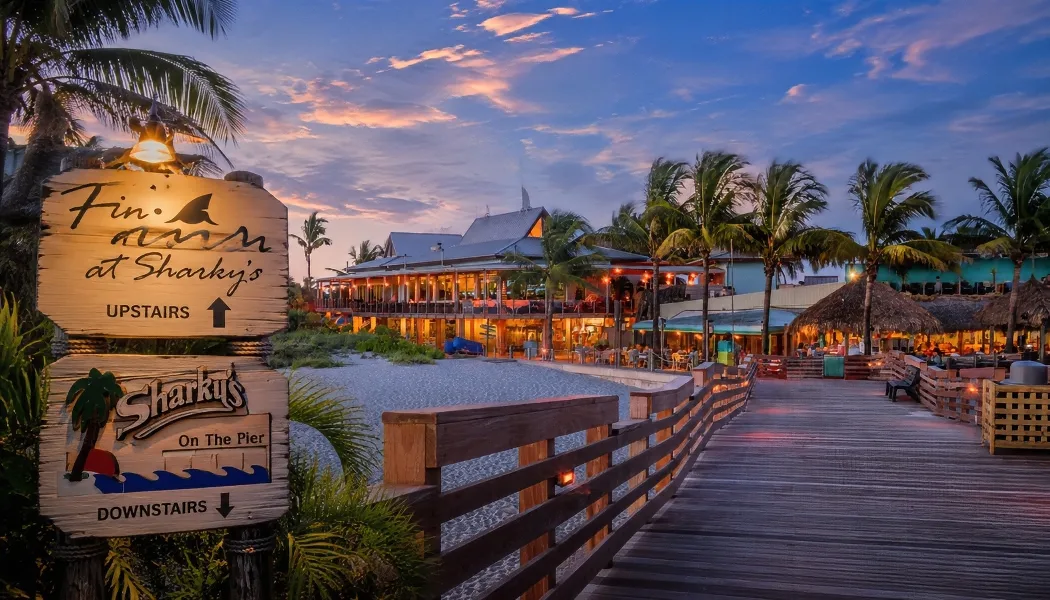
450 SF of NRC 1.05 stretched fabric wall added to Fins at Sharky’s upstairs fine-dining room above the Venice Pier — replacing an underperforming first round of 1″ NRC 0.7 panels with a recalculated Sabin spec and custom-cut tracks around lighting.
24
Jul
Jul
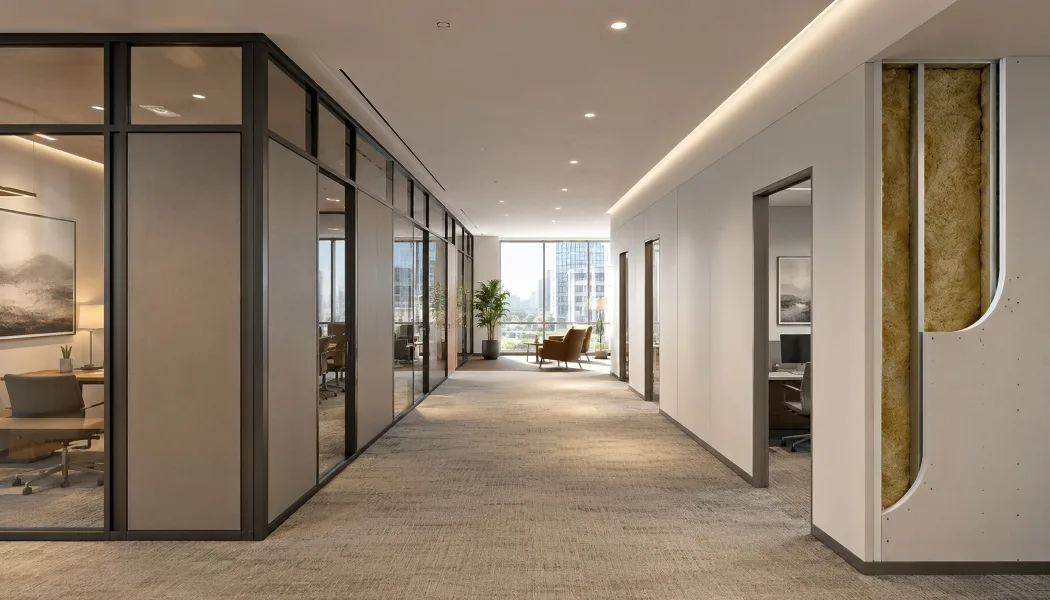
ASTC field testing plus a modular-wall vs drywall decision-tree framework developed for an Amgen Tampa corporate office — comparing Teknion partitions, Armstrong Calla tiles, and Lencore masking against full drywall to lock in office speech-privacy targets.
01
Jul
Jul
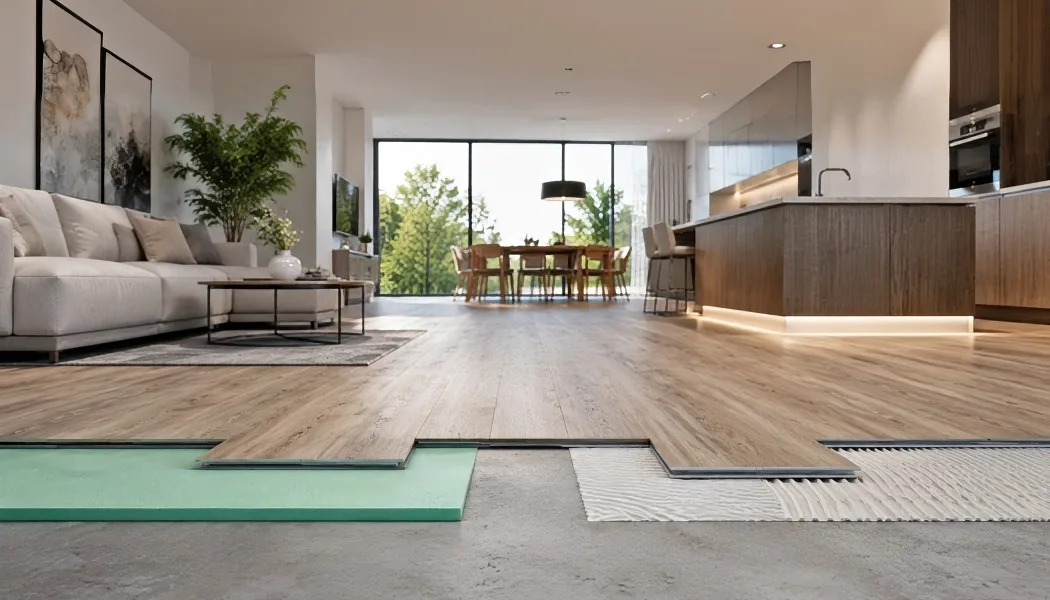
Floor Blokker acoustic membrane installed beneath floating LVT flooring across a new multi-family build in Wisconsin — running the maximum-performance install method validated by lab tests against both wood-frame and concrete subfloor types for Little Creek Construction.
07
May
May
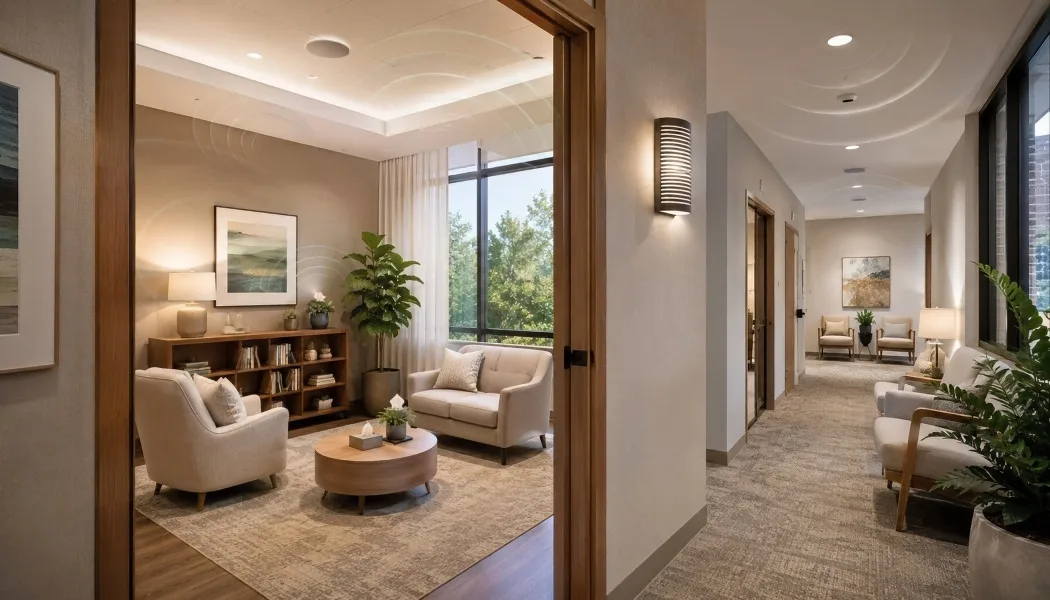
Above-ceiling sound masking system installed at the Collaborative Counseling Center in Tarpon Springs — pink-noise-tuned speakers and hidden volume control engineered around a pitched plenum varying from 3 to 12 feet that was letting therapy speech leak between rooms.
01
May
May
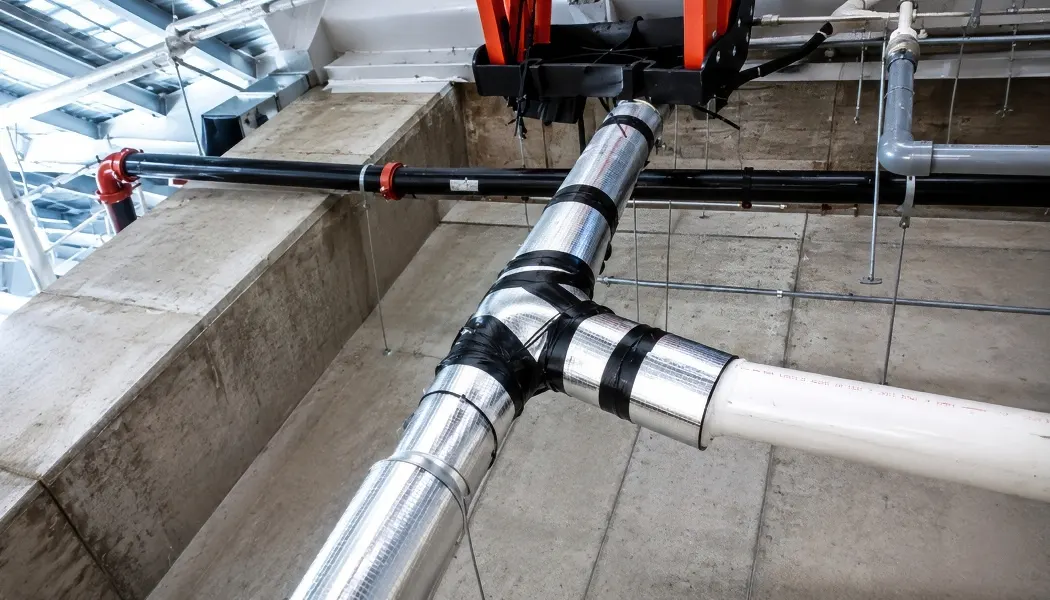
MLV plus acoustic batting pipe lagging applied across all exposed HVAC and plumbing runs at Quality Distribution Inc.’s 45,000 SF Tampa headquarters — controlling rushing-water and rattle bleeding down from the 25-foot exposed concrete deck for 250 staff.
16
Apr
Apr
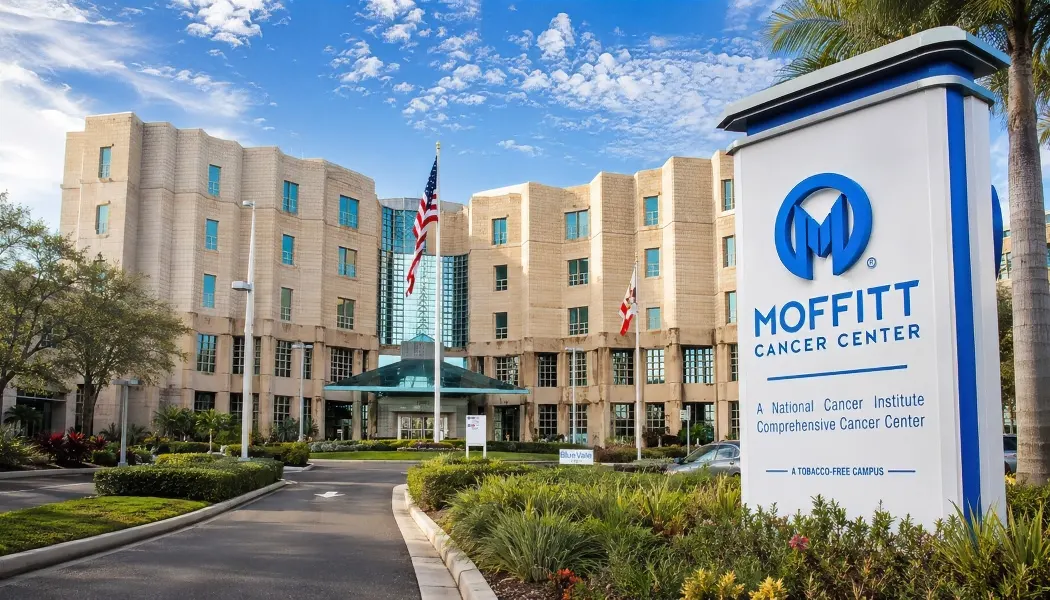
Acoustic fabric wall installation across multipurpose conference and education rooms inside Moffitt Cancer Center in Tampa — engineered with a 2-day install window to fix excessive reverberation in the cancer center’s largest internal meeting spaces.