
Hotel Soundproofing: Materials, Strategies, & Guest Experience

Table of Contents
Why Hotel Soundproofing Matters More Than Ever
- Guest Expectations: Modern travelers demand quiet, comfort & privacy
- Online Reviews: Noise complaints can tank ratings & revenue
- Design Constraints: Hospitality layouts often amplify sound transfer
As hotel design evolves to include open-concept lobbies, mixed-use spaces, and thinner partitions, acoustics often take a backseat to aesthetics. Yet soundproofing remains one of the most critical elements of guest comfort—and one of the most overlooked. This guide will walk you through everything from wall assemblies to door seals, helping you reduce noise complaints and create a high-performance acoustic environment in every room.
Key Soundproofing Challenges in Hotels
- Flanking Noise Paths: Sound leaks through vents, ceilings & shared structure
- Inconsistent Construction: Varying wall types across rooms & renovations
- Footfall & Impact Noise: Noise from above is a leading complaint
Hotels deal with more than just airborne sound between rooms. Impact noise from footsteps, luggage rolling, or furniture shifting—especially in older buildings—can lead to negative guest experiences. Meanwhile, flanking paths such as ductwork, plumbing chases, and ceiling plenums transmit sound even when walls are well-built. Tackling hotel acoustics requires a multi-surface approach.
Best Soundproofing Materials for Hotels
- Mass Loaded Vinyl (MLV): Blocks airborne sound in walls, ceilings & floors
- Acoustic Panels: Absorb echo & improve perceived room comfort
- Resilient Underlayments: Reduce impact noise from footsteps & carts
No single product will fully soundproof a hotel room—it’s about using the right combination. MLV is ideal for retrofits behind drywall or over existing partitions. Acoustic panels reduce reverb in rooms, especially behind beds or in corridors. Flooring underlayments (like Floor Blokker or AcoustiStep) are critical in multi-story properties to reduce IIC and minimize footfall noise.
Soundproofing Hotel Rooms: A Room-by-Room Strategy
Guest Rooms
- Walls: Add MLV or resilient channels behind drywall
- Doors: Use automatic door bottoms, acoustic thresholds & solid-core doors
- Windows: Apply laminated glazing or secondary interior panels
Guest rooms are where noise control matters most. To prevent airborne noise like TV sounds or conversations from passing through, dense wall assemblies with MLV or resilient channels are key. Solid-core doors with drop seals help stop hallway noise, while laminated or dual-pane windows reduce exterior traffic sound. These upgrades form the foundation of a quiet, comfortable stay.
Hallways & Corridors
- Carpet: Use high-density carpet with acoustic underlayment
- Wall Panels: Install absorptive panels to cut echo & speech clarity
- Ceilings: Drop ceiling with acoustic tiles (high CAC) to stop flanking
Corridors often act as echo chambers and conduits for noise between rooms. Treating the ceilings with high-CAC acoustic tiles helps contain hallway noise, while absorptive wall panels reduce speech intelligibility—making it harder for sound to travel. High-performance carpet underlayments also reduce footfall noise, protecting adjacent and lower-level rooms from disruption.
Lobby & Common Areas
- Ceiling Baffles & Clouds: Absorb ambient chatter in open areas
- Glass Partitions: Use laminated glass or add acoustic film
- Sound Masking: Strategically raise ambient noise to improve privacy
The lobby sets the acoustic tone for the entire hotel. While some energy and liveliness is desired, uncontrolled reverberation can overwhelm guests. Acoustic ceiling treatments like baffles or clouds absorb unwanted reflections, while laminated glass partitions reduce noise transfer between zones. In open-concept layouts, sound masking systems can create privacy without the need for physical barriers.
Design Tips: Improve Sound Isolation Without Compromising Aesthetics
- Architectural Integration: Use fabric-wrapped panels that blend with decor
- Acoustic Door Seals: Install jamb seals, sweeps & thresholds without replacing doors
- Ceiling Upgrades: Use CAC-rated tiles to block overhead transmission
Many soundproofing upgrades can be done without major renovations. For example, rewrapping walls in acoustical fabric or adding stretch-fabric systems gives both aesthetic and acoustic benefits. Acoustic door hardware can be retrofitted to existing frames, making it ideal for phased upgrades.
Sound Masking in Hotel Environments
- Boosts Speech Privacy: Soft background sound makes speech less intelligible
- Stabilizes Ambience: Smooths noise swings from carts, doors & elevators
- Complements Blocking/Absorption: Fills gaps where construction can’t be changed
Sound masking isn’t a replacement for walls, doors, or acoustic panels—but in hotels, it’s a powerful finisher. In corridors and at the front desk, a low, uniform background layer reduces how far voices carry and softens sharp transients like ice machine doors or luggage wheels. In executive lounges and meeting rooms, masking improves privacy without over-deadening the space. Pair it with high‑STC partitions and absorptive finishes to reduce complaints from intermittent noises that building materials alone can’t eliminate.
Hotel Soundproofing in Action
From bustling city centers to beachfront resorts, we’ve supported hospitality projects across the U.S. with tailored acoustic strategies. Our team works closely with architects, designers, and hotel operators to specify high-performance treatments that match the brand vision and guest comfort expectations. View more of our hospitality case studies here.
Noise Control in a Hotel Ballroom – Ft. Lauderdale, FL
At this oceanside property, ballroom noise was leaking into adjacent meeting rooms and suites. Our team applied layered wall assemblies and ceiling treatments to reduce reverberation and contain sound transfer during events. The result was a versatile, acoustically balanced space that could host weddings, conferences, and large events without disrupting nearby guests. Read More…

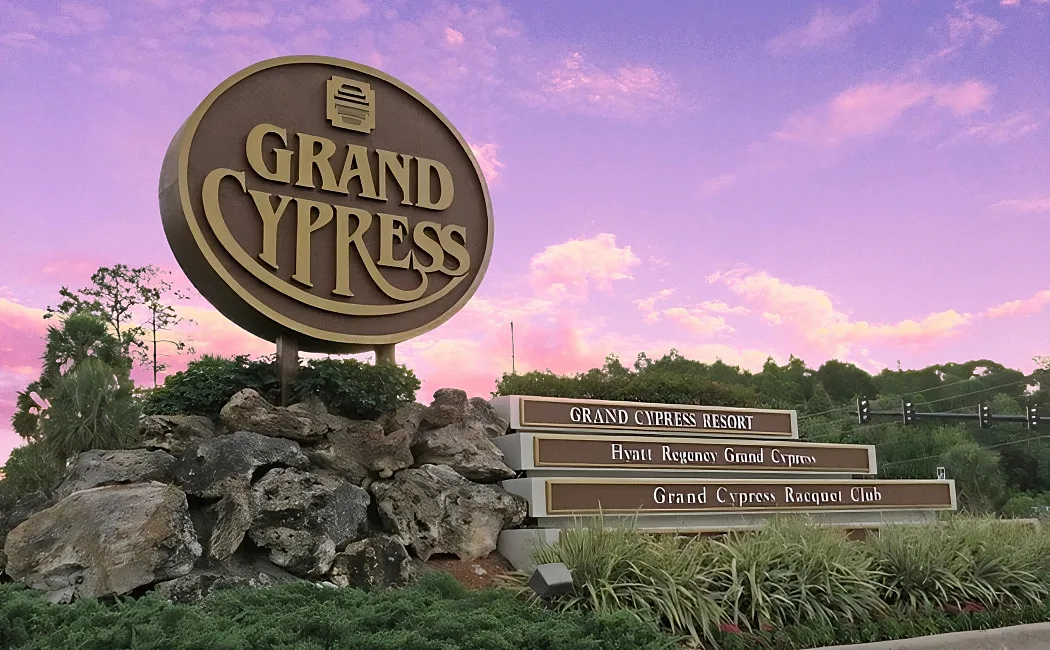
Custom Fabric Wall Panels – Grand Cypress Ballroom, Orlando, FL
To elevate both aesthetics and acoustics, we designed and installed high-NRC fabric wall panels that blended seamlessly into the upscale event space. These panels reduced echo and improved clarity for large gatherings, while maintaining the ballroom’s luxurious look and feel. Read More…
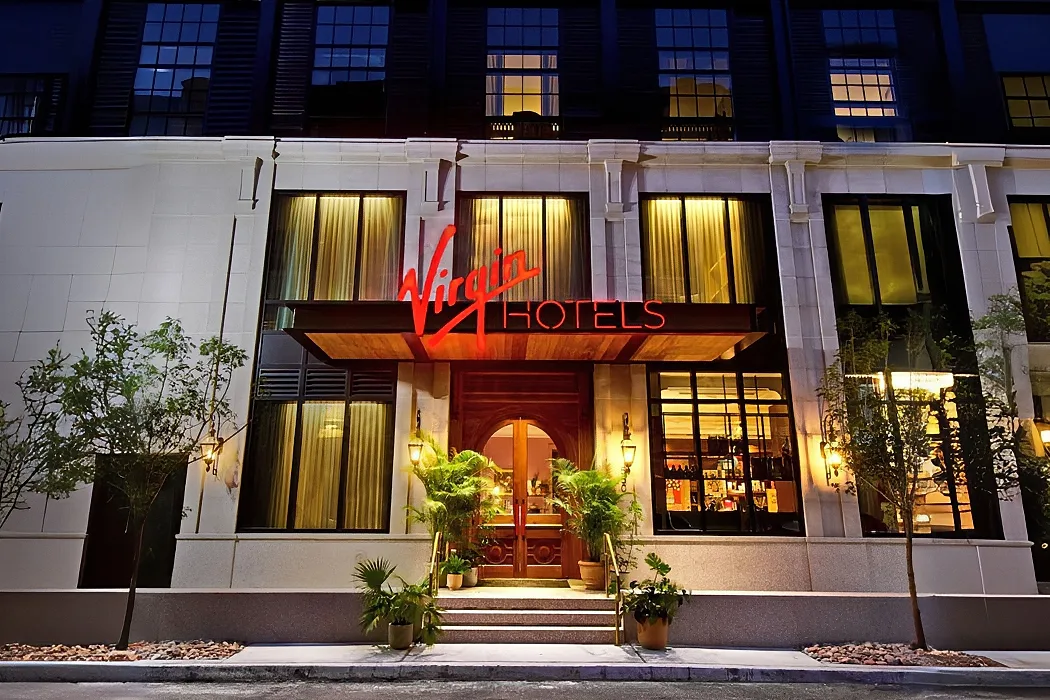
Art-Printed Acoustic Panels – Virgin Hotels, New Orleans
This vibrant hospitality space needed noise control that complemented its bold branding. We delivered art-printed acoustic panels that matched the hotel’s aesthetic while significantly improving speech clarity in common areas. Guests and staff both reported noticeable improvements in comfort and communication after installation. Read More…
Decorative Sound Panels – Four Seasons Hotel, New Orleans
In this high-end renovation, our team installed absorptive panels that preserved the refined look of the hotel while dramatically reducing reverb in guest lounges and conference zones. The client valued our ability to enhance acoustic performance without compromising architectural design integrity. Read More…

Conclusion: Quiet Comfort Starts with the Right Materials
Hotel soundproofing isn’t a luxury—it’s a necessity in today’s competitive hospitality market. Whether you’re reducing footfall noise between floors, minimizing speech transfer through walls, or quieting large event spaces, the right combination of hotel soundproofing materials makes all the difference. From MLV-backed wall systems to custom acoustic panels and impact-rated flooring, your choices affect everything from guest satisfaction to online review scores.
At Commercial Acoustics, we specialize in delivering targeted solutions that blend seamlessly into your design—without disrupting operations. Whether you’re building from scratch or renovating an existing space, we’re here to help you design for silence, privacy, and premium comfort.
FAQs: Hotel Noise Control & Soundproofing Materials
What’s the best way to soundproof a hotel room?
Use a layered approach: dense walls (MLV), acoustic door seals, and impact-resistant flooring.
Do acoustic panels block sound in hotel rooms?
Not by themselves—panels absorb echo. For blocking noise, use mass-loaded barriers or dense assemblies.
How can I reduce noise between hotel floors?
Install high-IIC underlayments beneath carpet or hard flooring. Combine with ceiling treatments below.
Can I soundproof a hotel without remodeling?
Yes—door seals, wall panels, and fabric systems can be added without major demolition.
What is a good STC rating for hotel walls?
Aim for STC 55 or higher between rooms to reduce normal speech and TV noise.