
Quick Overview Why Rooms Echo Echo and excessive reverb happen when sound waves bounce repeatedly between hard, reflective surfaces with too little absorption in the path. Glass, drywall, tile, and polished concrete reflect almost all the energy that hits them. That energy stacks up, smears consonants, and turns normal conversation into noise. You hear it […]

22
Apr
Apr
Why Acoustic Ceilings Matter in Modern Design Acoustic ceilings are a critical part of modern commercial design. Whether in offices, schools, healthcare facilities, or performing arts venues, they balance performance and aesthetics. The right ceiling tile helps architects and engineers reduce noise, control reverberation, and enhance the overall experience of a space. By considering both […]
25
Jan
Jan
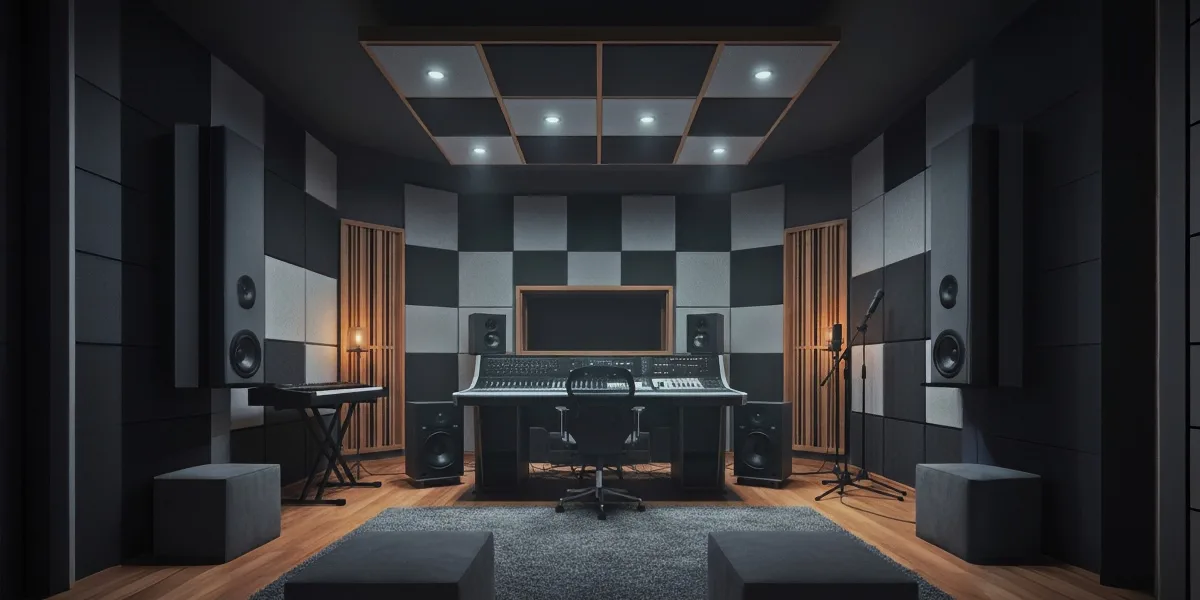
Why Sound Absorbing Materials Matter Sound absorbing materials are essential for reducing echo, controlling reflections, and improving speech clarity. Whether in a music studio, open office, or classroom, the right acoustic materials help create a balanced, comfortable environment. Without absorption, even the best sound systems and designs suffer from harsh reflections and reverberation that make […]
10
Jan
Jan
Why Acoustic Diffusers Matter Acoustic diffusers redirect sound energy in many directions, smoothing reflections that otherwise cause comb filtering, flutter echo, and uneven frequency response. Used with absorption, diffusion helps you hit RT60 targets without creating a “dead” room. In music spaces especially, retaining early lateral energy improves ensemble feel, timbral blend, and audience coverage—benefits […]

15
Apr
Apr
Why Cleaning Acoustic Panels Matters One of the most common questions we hear from clients is whether acoustic wall panels can be cleaned without damage. Since panels are wrapped in acoustically transparent fabrics, the wrong cleaning method can compromise performance or aesthetics. Knowing which fabrics are washable — and how to maintain them — protects […]

26
Sep
Sep
Quick Overview The Three Core Placement Rules Our install crews follow these three rules on every project before they hang the first panel. They are not aesthetic preferences. They are the lowest-effort way to keep an acoustic treatment from underperforming its lab NRC values by 20 to 30 percent. When panel pattern has to break […]
17
Dec
Dec
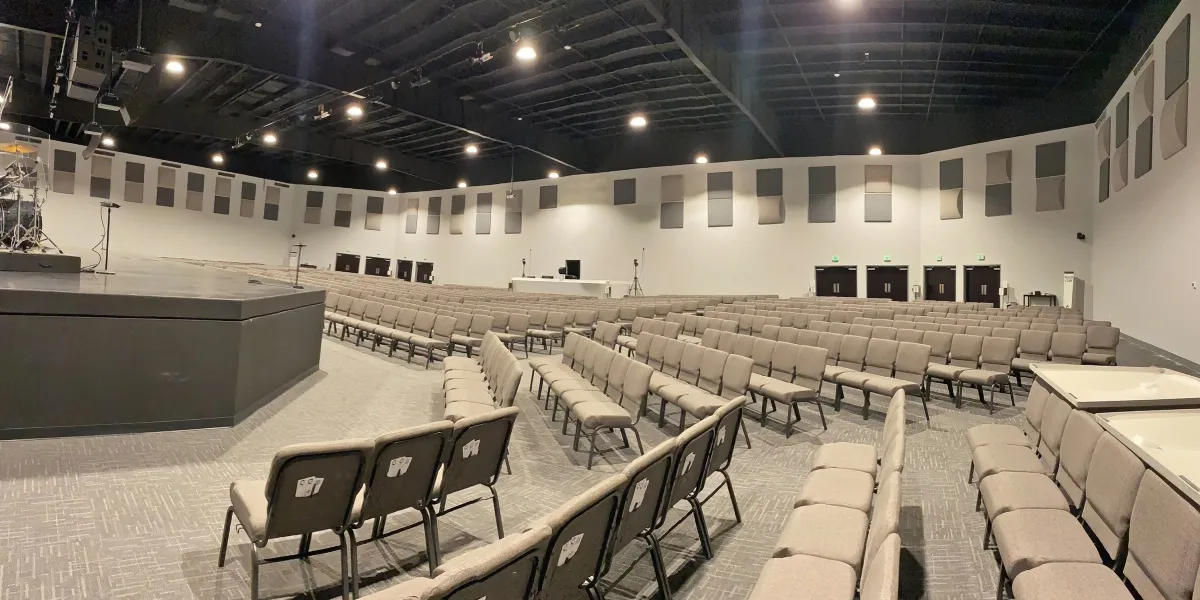
Church Acoustical Design Criteria Church acoustical design balances two goals that pull in opposite directions. The first is reverberation: enough decay time for music to feel full and for the congregation to feel like they are singing together rather than singing alone. The second is speech intelligibility: a short enough decay that every word from […]

20
Mar
Mar
TL;DR — The Three-Trial Test in One Glance How Many Acoustic Panels Does a Room Actually Need? The honest answer is the one most acoustic articles avoid: it depends on the room. Volume, finishes, target reverberation time, and program use all factor in. Guessing a panel count from rough-room-size rules will get you in the […]
04
Oct
Oct
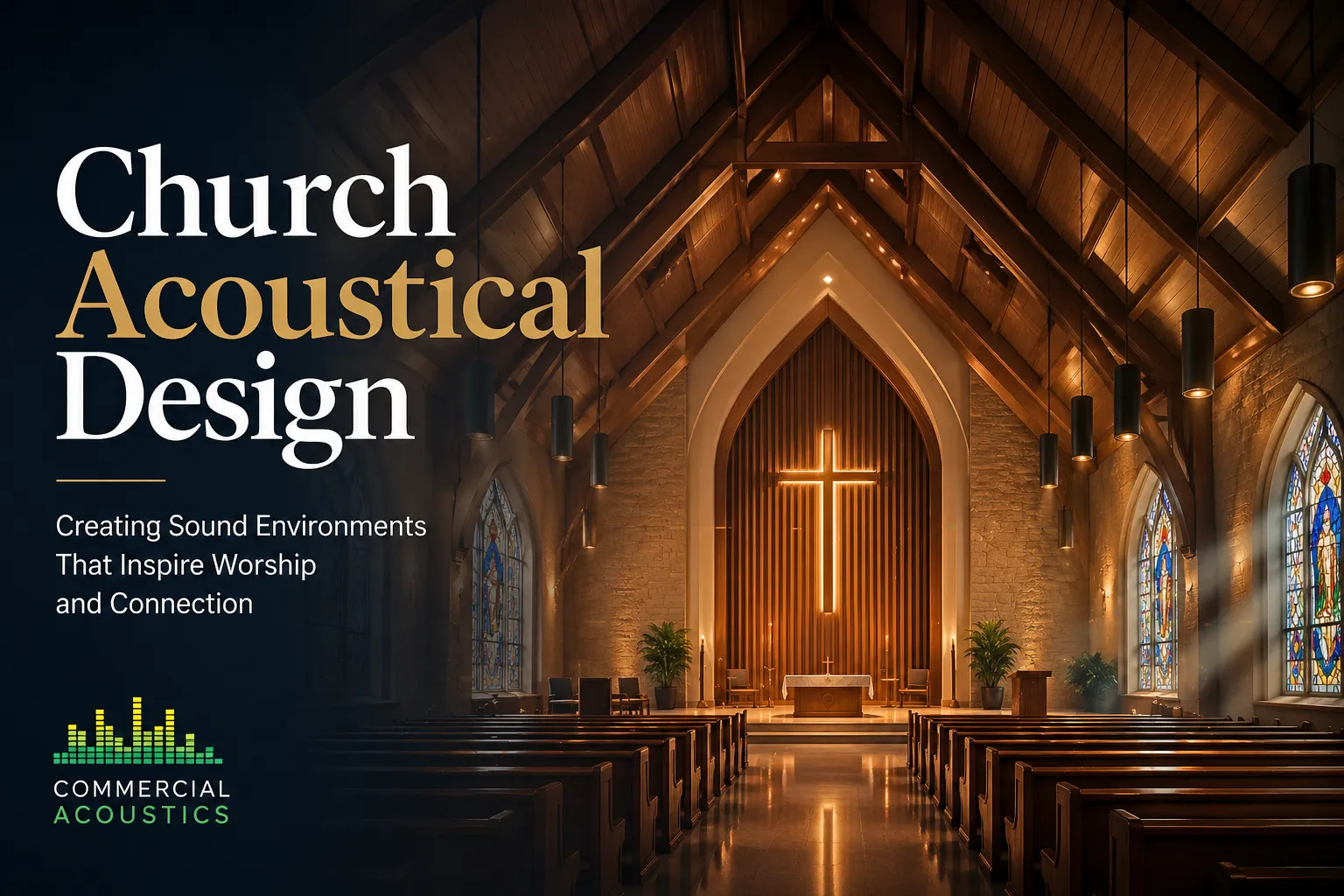
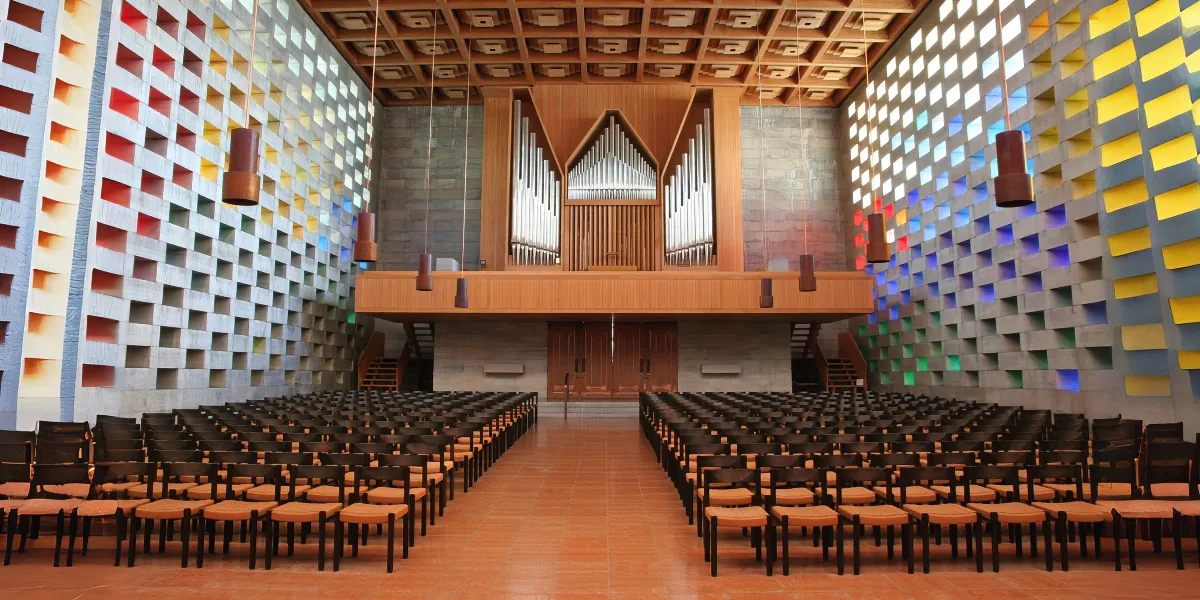
Why Church Acoustics Matter Church acoustics aren’t just about loudspeakers — they’re about how sound interacts with the architecture itself. From vaulted ceilings to plaster walls, every surface in a worship space affects how voices and instruments carry. If the room is too “live,” reverberation blurs words. Too “dead,” and music loses warmth. The goal […]
25
Sep
Sep
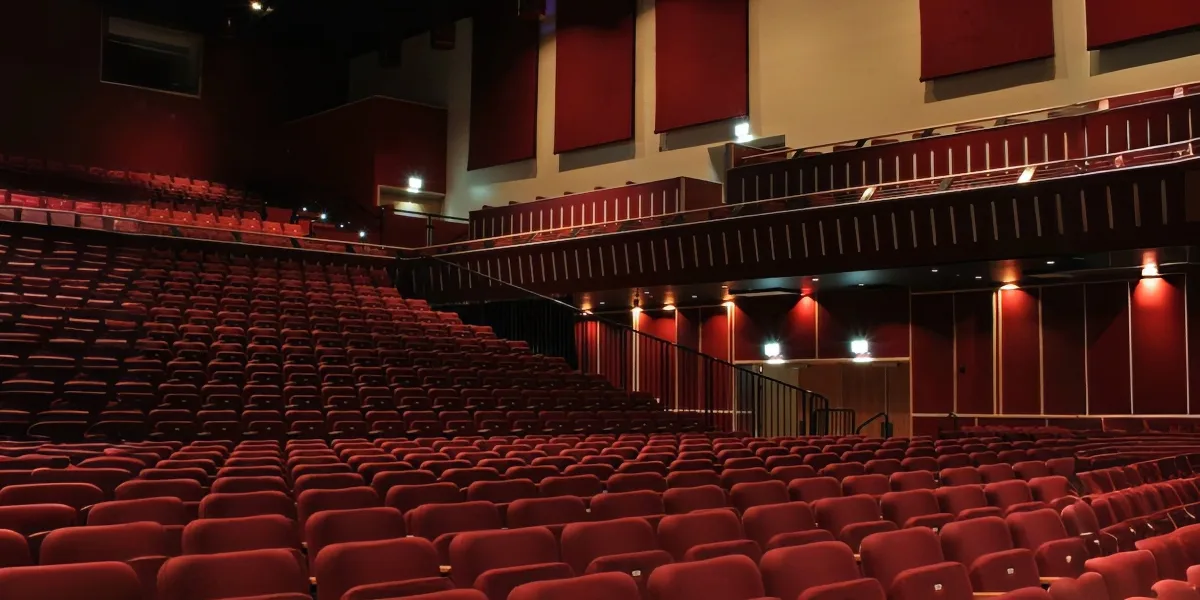
Design Overview: Building an Auditorium That Sounds as Impressive as It Looks Whether it’s a lecture hall or a concert space, every great auditorium shares one common quality—clarity. Auditorium acoustics defines how well speech, music, and performances translate across every seat. Poorly controlled reverberation, intrusive background noise, or sound leakage between spaces can make even […]
- 1
- 2