STC Rating 101: Understanding Sound Transmission Class

Table of Contents
What is STC Rating?
- STC Defined: Measures how well a wall or partition blocks airborne sound
- Higher = Better: STC 60 blocks more noise than an STC 35 wall
- Used In: Multifamily, offices, classrooms, hotels, & theaters
STC rating, or Sound Transmission Class, is a critical metric used to measure how effectively a building assembly—like a wall, floor, or door—blocks sound transmission, especially speech frequencies between 125 Hz and 4000 Hz. Whether you’re designing for privacy in an apartment complex, reducing office noise, or meeting healthcare regulations, understanding STC helps you select materials and assemblies that provide effective acoustic separation.
A higher STC number means better sound isolation and fewer occupant complaints. To see how various wall systems perform, try our STC Calculator for real-world performance comparisons.
How is STC Measured?
- ASTM Standards: STC uses ASTM E90 (lab) and E413 (rating method)
- Frequency Range: Tested across 16 bands to reflect speech frequencies
- One-Number Result: Results are averaged into a single STC value
The STC rating is calculated by plotting the Transmission Loss (TL) of a material or assembly across standardized frequency bands. A contour curve is then applied using ASTM E413, resulting in a single number that represents the assembly’s performance. Lab testing ensures consistency, although field ratings (FSTC) can vary due to installation quality, flanking paths, and sealant gaps.
Typical STC Ratings by Assembly Type
- Uninsulated Stud Wall: STC 30–35
- Insulated Standard Wall (5/8″ Drywall): STC 45–50
- High-Performance Wall (Double Stud, MLV): STC 55–65+
STC values depend heavily on the construction details. A single-stud wall with no insulation might only reach STC 33, allowing normal conversation to pass through easily. Adding batt insulation and thicker drywall can raise this to STC 45 or higher. For sensitive environments or code-driven applications, designers may specify double-stud or staggered stud walls, resilient channels, or acoustic membranes like mass loaded vinyl (MLV) to boost STC above 60. These upgrades significantly reduce the risk of occupant complaints due to noise bleed.
What Different STC Ratings Mean in Practice
| STC Rating | Real-World Effect |
|---|---|
| 25–30 | Normal speech clearly audible through wall |
| 35 | Loud speech understood; normal speech muffled |
| 45 | Loud speech heard but not understood |
| 50 | Loud speech faintly heard, unintelligible |
| 55–60 | Excellent privacy; minimal audible transfer |
Designers often ask: “What’s a good STC rating for my space?” The answer depends on the use case. A wall rated STC 50 will prevent most speech from being understood, while an STC 60+ assembly offers near-complete privacy—ideal for boardrooms, hotel suites, or adjoining medical exam rooms. It’s important to note that STC does not account for low-frequency noise like subwoofers or mechanical rumble, which may require additional treatments.
STC Code Requirements by Building Type
- Multifamily & Hospitality: STC 50 required; STC 55+ preferred for luxury
- Offices: STC 45–50 for private rooms & conference spaces
- K–12 & Higher Education: Classrooms should reach STC 50+ for clarity
Most jurisdictions follow the International Building Code (IBC), which mandates STC 50 (or FSTC 45 in field tests) between dwelling units in multifamily construction. But minimums aren’t always enough. In healthcare and education, for example, elevated acoustic standards improve learning outcomes and HIPAA compliance. By exceeding STC 50 with proper wall assemblies and installation techniques, project teams can deliver both comfort and code compliance.
STC vs IIC vs NRC: Understanding the Differences
- STC (Sound Transmission Class): Measures airborne sound blocking
- IIC (Impact Insulation Class): Measures structure-borne noise through floors
- NRC (Noise Reduction Coefficient): Measures how much sound a material absorbs
STC is often confused with IIC and NRC, but they each serve a unique function. STC helps you evaluate how well a wall or partition blocks sound. IIC, by contrast, is used to assess footfall and impact noise transmission between floors. NRC describes how much sound a surface absorbs—important for reducing echo but not for isolating sound between spaces. A successful acoustic strategy considers all three metrics during the design phase.
Improving Sound Isolation in Wall Assemblies
- Add Mass: Thicker drywall, additional layers, or mass loaded vinyl
- Break the Path: Use resilient channels, double-stud or staggered framing
- Seal All Gaps: Use acoustic sealant at top plates, outlets, and penetrations
Improving STC is most effective when done early in the design. Doubling drywall, adding insulation, or decoupling the framing system can each yield significant performance gains. For especially sensitive areas, Mass Loaded Vinyl (MLV) can be added between layers to block problem frequencies. However, even the best wall assembly can be undermined by poor sealing—sound leaks around ductwork, conduit, and electrical boxes are common STC killers. Always include acoustic caulk and putty pads in specs.
Case Studies: STC Rating in Action
Healthcare Soundproofing in Alaska: Meeting HIPAA Standards
When YKHC expanded its healthcare facilities, sound isolation was critical to patient privacy. By integrating high-STC wall assemblies and acoustic membranes, the project ensured confidential conversations stayed protected in exam and consultation rooms
👉 See our Sound Transmission Class (STC) case study in action!

Nova Medical Davie, FL: Sound Masking & Wall STC Upgrades
Medical offices face strict HIPAA regulations, making STC performance non-negotiable. At Nova Medical, Commercial Acoustics paired sound masking with high-STC wall assemblies to eliminate sound bleed between rooms—helping staff maintain compliance while improving patient experience.
👉 Explore our Sound Transmission Class (STC) wall upgrades at NOVA.

Miami-Dade Police: Interrogation Room Speech Privacy
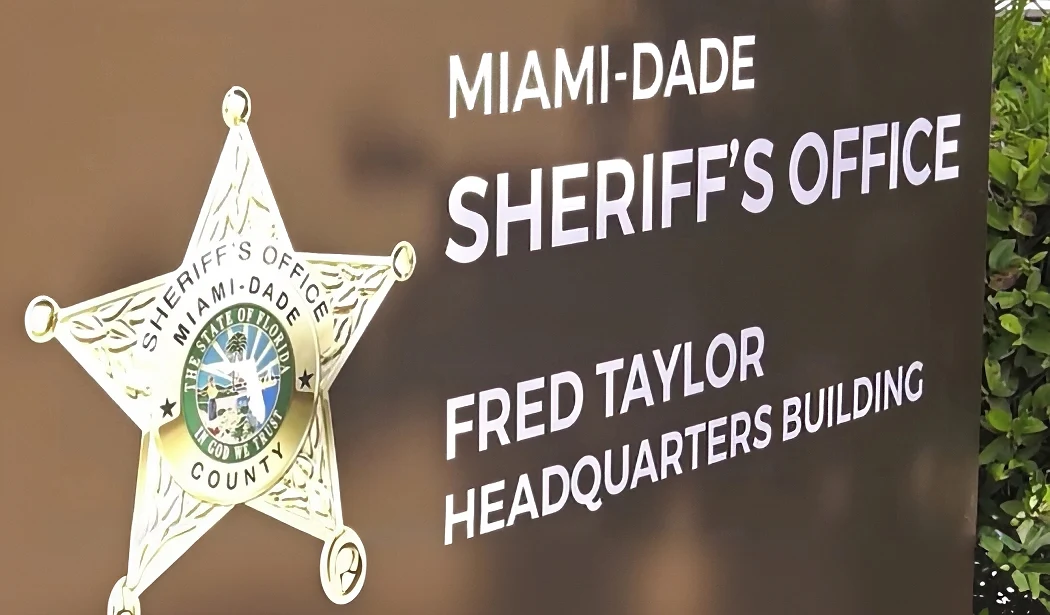
Law enforcement facilities demand maximum confidentiality. At Miami-Dade Police Headquarters, interrogation rooms were upgraded with enhanced STC-rated wall assemblies to stop speech from leaking between rooms. The result: secure, private environments for sensitive investigations.
👉 See our enhanced Sound Transmission Class (STC) walls in interrogation rooms!
Conclusion: Designing for Privacy through Sound Control
STC ratings are not just technical jargon—they’re a critical factor in occupant satisfaction, code compliance, and project success. Whether you’re designing for quiet in a luxury hotel or privacy in a classroom, understanding STC allows you to select the right materials and plan for sound isolation from the start.
At Commercial Acoustics, we help architects and contractors choose the correct assemblies and hit their acoustic targets efficiently. From preconstruction consulting to turnkey installation, our team is here to guide you through the science of sound.
Need help selecting the right STC-rated solution for your project? Contact us here to speak with an acoustic consultant today.
FAQs: STC Ratings in Building Design
What is a good STC rating for interior walls?
STC 50 is the baseline for residential unit separation. For offices, hotels, or healthcare spaces, STC 55–60 is preferred for privacy.
Does STC measure bass or low-frequency sounds?
No. STC is focused on speech-range frequencies (125 Hz–4000 Hz). For low-frequency control, additional mass and damping systems are needed.
Is STC the same in the field as in the lab?
Not always. Lab ratings use ideal conditions. In real buildings, flanking paths, installation errors, or unsealed penetrations can lower Field STC (FSTC) by 5–10 points.
What’s the difference between STC and NRC?
STC measures sound blocking; NRC measures sound absorption. Use STC to stop sound between rooms, and NRC to reduce echo within a room.