
Table of Contents
Project Overview: Preserving History with Modern Sound Control
- Project: Tate Etienne & Prevost Center // McDonogh 19 Elementary
- Address: 5909 St. Claude Ave, New Orleans, LA 70117
- Facility Type: Civil Rights Museum & Senior Apartments
- Client: Alembic Community Development
- Objective: Integrate modern acoustic comfort into a historic landmark
- Scope: Install AcoustiStep flooring underlayment beneath new LVT flooring
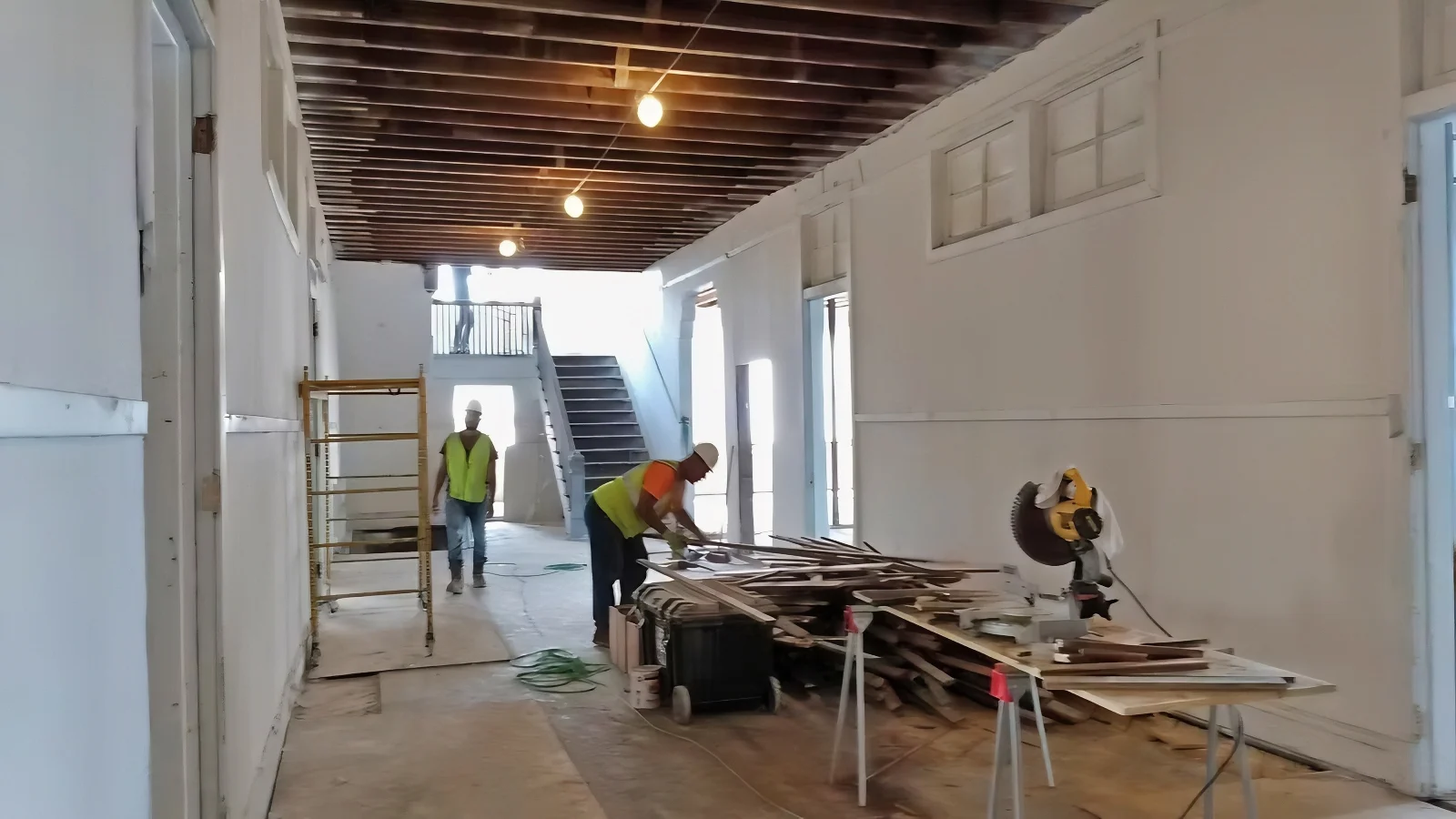
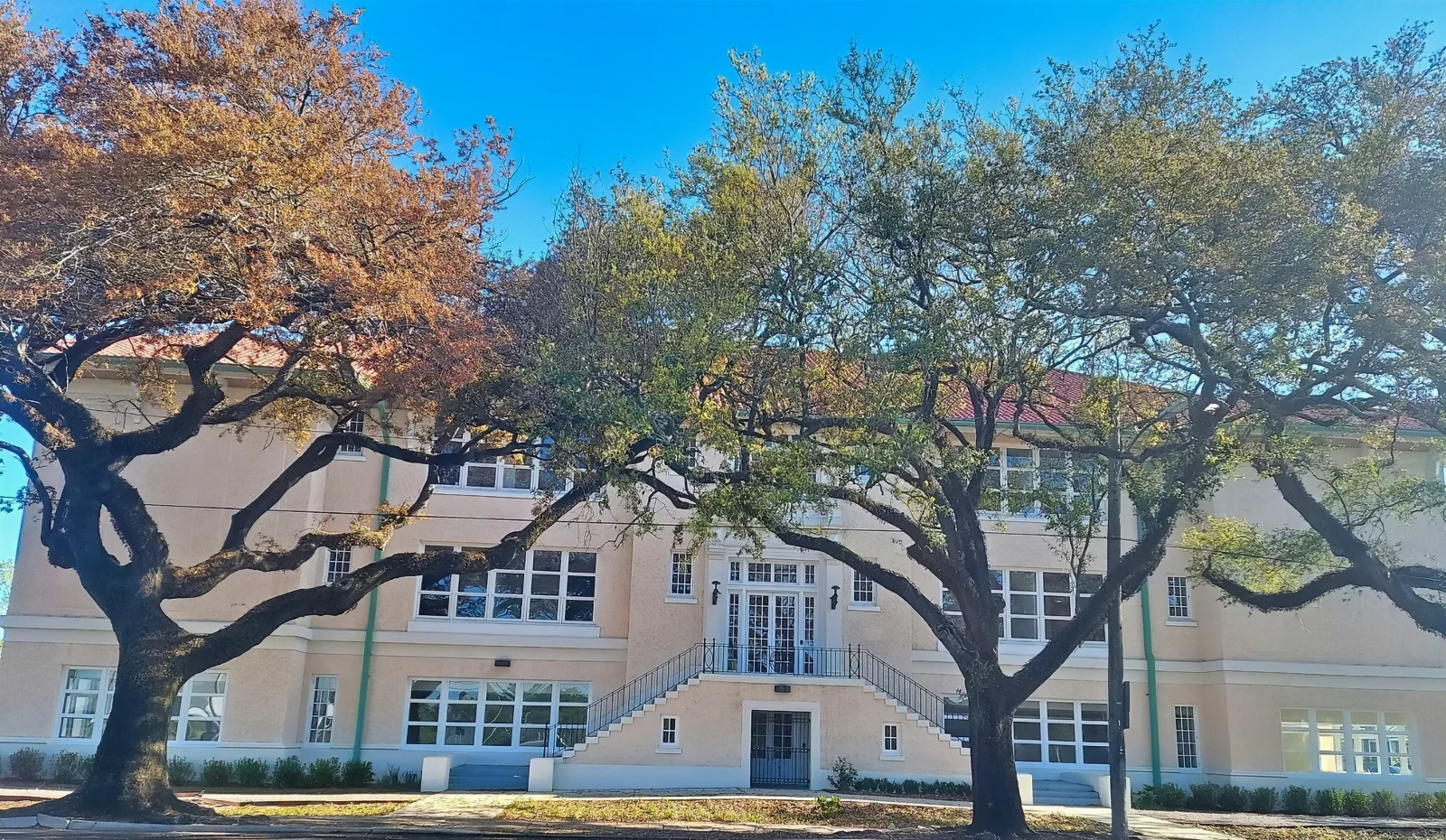
The historic McDonogh 19 Elementary School, now the Tate Etienne & Prevost Center, stands as a powerful symbol of the Civil Rights Movement. Known as the first integrated public school in New Orleans, the building had remained vacant since Hurricane Katrina. Today, a $16 million school renovation—funded by city, state, and national sources including the National Park Service and New Market Tax Credits—is transforming the site into a Civil Rights museum paired with 25 affordable senior apartments. Acoustic upgrades played a key role in ensuring the building’s new life honors its history while providing a comfortable environment for residents and visitors.
Flooring Underlayment in Historic School Renovations
- Noise Reduction: Minimized footfall & impact noise for quiet interiors
- Compatibility: Suitable for LVT, hardwood, & laminate flooring
- Durability: Maintains performance in high-traffic areas
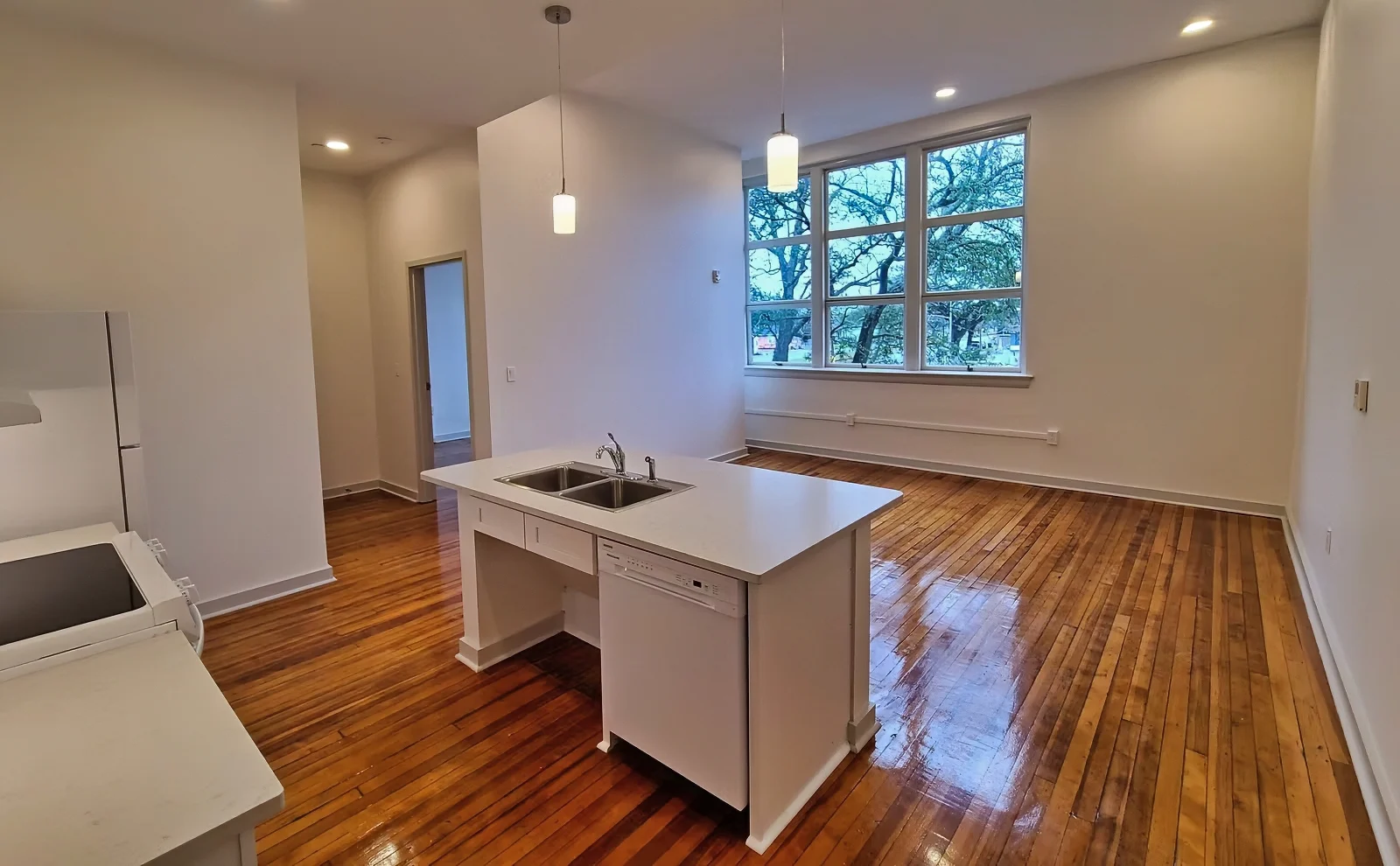
As part of the renovation, crews conducted an exploratory demolition to salvage as much of the original hardwood flooring as possible. In sections where the floors were beyond repair, 18,000 square feet of new luxury vinyl tile (LVT) was installed with Commercial Acoustics’ AcoustiStep 2mm recycled rubber flooring underlayment. This thin yet effective sound control layer ensured the new floors reduce impact noise while preserving the building’s structural integrity. For historic school renovations, acoustic underlayment is an essential element—enhancing comfort without altering the building’s architectural character.
Benefits of AcoustiStep in Mixed-Use & Museum Spaces
- Acoustic Performance: Achieves IIC 60 on 6″ concrete with LVT finish
- Sustainable Material: Made from recycled rubber content
- Space-Saving Design: Thin profile without sacrificing sound control
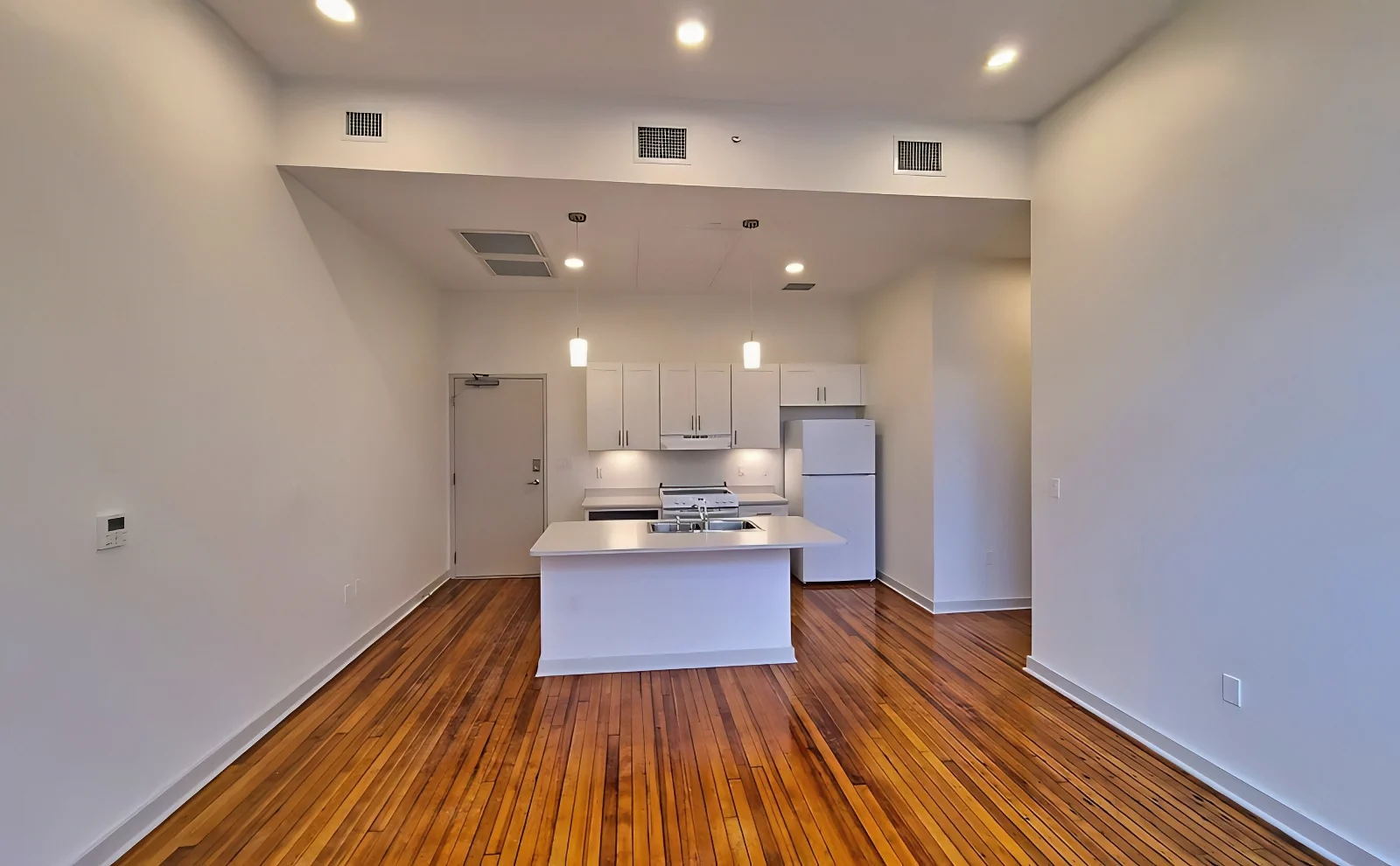
The architect specified the 2mm AcoustiStep underlayment—the thinnest option available—which delivered strong acoustic performance while maintaining minimal floor height change. This choice allowed for seamless transitions between restored hardwood areas and new LVT sections. In a mixed-use building that combines museum spaces, residential units, and community areas, this level of acoustic control is vital. Visitors can enjoy exhibits without disruptive noise from above, while residents benefit from a quieter living space.

Proven Underlayment Solutions for Historic Retrofits
- Versatile Options: Thicknesses from 2mm to 12mm for varied acoustic needs
- Commercial Applications: Effective in dining halls, offices, & museums
- Field-Tested Results: Used in projects like Armature Works in Tampa
Commercial Acoustics’ flooring underlayments have been successfully installed in historic retrofits nationwide. At Armature Works in Tampa—a former train station turned into a bustling dining and event venue—our Floor Blokker underlayment created comfortable sound levels for guests. These same proven principles were applied at the Tate Etienne & Prevost Center, where preserving historical authenticity was just as important as meeting modern acoustic performance standards.

Conclusion: Delivering Quiet in a Landmark School Restoration
The Tate Etienne & Prevost Center demonstrates how flooring underlayment can play a vital role in any school restoration—especially when balancing preservation with performance. AcoustiStep allowed the design team to meet acoustic goals without compromising the building’s heritage. By integrating sustainable materials, advanced sound control, and thoughtful design, this project shows how to give historic spaces a new life while ensuring they serve modern needs. If your next school renovation demands both historical respect and acoustic precision, contact our team to explore underlayment solutions tailored to your project.
FAQs: Flooring Underlayment & School Renovation
How does flooring underlayment improve sound control in school renovations?
It reduces impact noise between floors, enhancing comfort for occupants and improving the overall experience in multi-story spaces.
Why was a 2mm underlayment chosen for this project?
The thin profile maintained existing floor height while still achieving high IIC ratings, which was important for transitions to restored hardwood floors.
Can recycled rubber underlayment be used under hardwood?
Yes. AcoustiStep and similar products work with hardwood, laminate, and LVT, offering flexibility in historic and modern projects.
Is flooring underlayment necessary in all historic renovations?
While not always required, it’s highly recommended in multi-level buildings where noise control is a priority.
Does underlayment affect the appearance of historic floors?
No. It is installed beneath the finished flooring, providing performance benefits without altering the visible surface.