
Table of Contents
Design Overview: Building an Auditorium That Sounds as Impressive as It Looks
- Application: Performance Halls, School Auditoriums, and Multi-Purpose Spaces
- Primary Objective: Improve speech clarity, musical warmth, and audience comfort
- Acoustic Targets: RT60 between 1.0–2.3 seconds depending on use
- Common Issues: Echo, reverberation, HVAC noise, and exterior sound intrusion
- Scope: Acoustic design, wall and ceiling treatment recommendations, sound isolation systems
Whether it’s a lecture hall or a concert space, every great auditorium shares one common quality—clarity. Auditorium acoustics defines how well speech, music, and performances translate across every seat. Poorly controlled reverberation, intrusive background noise, or sound leakage between spaces can make even the best performance feel muddy or uncomfortable.
Commercial Acoustics provides design insight and proven acoustic products to help architects, engineers, and contractors achieve consistent, professional sound in new or existing auditoriums. The following eight factors form the foundation of effective auditorium acoustic design.
Acoustic Design Factors for Auditoriums
1. Reverberation Control (RT60)
The reverberation time—or RT60—is the period it takes for sound to decay by 60 decibels after a source stops. In auditoriums, long reverberation times blur speech and create echo buildup.
- Speech-Focused Spaces: Target RT60 of 1.0–1.5 seconds
- Multipurpose Auditoriums: RT60 between 1.5–2.0 seconds
- Concert or Choral Halls: RT60 between 2.0–2.3 seconds
To achieve these targets, use fabric-wrapped ceiling baffles and acoustic ceiling clouds to absorb vertical reflections, and wall panels or curtains to reduce lateral reflections.
2. Site Selection & Exterior Noise
Locate auditoriums away from highways, rail lines, or gyms when possible. External noise quickly undermines interior performance quality. For existing buildings, isolate the envelope using high-OITC exterior walls, laminated glass, and acoustically sealed openings. Above the grid, Drop Ceiling Noise Blokker™ adds mass and stops noise intrusion through ceiling plenums.
3. Buffer Zones & Layout Planning
Strategically position corridors, lobbies, and storage spaces around the performance hall to serve as acoustic buffers. This layout minimizes noise transfer from restrooms, classrooms, or mechanical rooms during performances.
4. Doorway Sound Isolation
Use solid-core doors rated STC 35–40+ with full perimeter gasketing and thresholds. Double-door vestibules further reduce hallway noise entering the auditorium. Small hardware upgrades like astragals and seals can improve privacy by 10–15 dB.
5. Background Noise (HVAC)
Mechanical noise from air handlers and ductwork can easily overpower speech. Design for Noise Criteria (NC) levels of 30–35 using duct liners, silencers, and vibration isolation mounts. Avoid placing diffusers near microphones or stage areas.
6. Auditorium Geometry
Room shape controls sound distribution. Avoid parallel walls and flat ceilings that cause flutter echoes. Fan-shaped rooms, sloped ceilings, and convex sidewalls help disperse reflections evenly. Consider integrating diffusive ceiling panels or angled surfaces to maintain balanced sound energy throughout the audience.
7. Sound System Integration
Even the most advanced speaker systems can’t compensate for poor room acoustics. Position loudspeakers slightly above and forward of the proscenium arch and align their coverage to reach the last seating row evenly. Always locate control equipment within the seating area so technicians can hear true audience conditions.
8. Balconies & Orchestra Pits
Balconies help reduce throw distance but can create acoustic “shadows” if untreated. Use absorptive materials under balcony overhangs and limit overhang depth. For orchestra pits, install retractable or sound-controlled curtains to allow conductors to balance stage and pit acoustics effectively.
Acoustic Challenges Common in Auditoriums
- Excessive Reverberation: Caused by reflective materials and large room volumes
- Noise Intrusion: From adjacent rooms, HVAC systems, or outdoor environments
- Uneven Sound Coverage: Dead zones or hotspots caused by poor geometry or lack of diffusion
- Speech Intelligibility: Low clarity due to overlapping reflections and long RT60
Addressing these challenges requires a coordinated approach between architects, acoustic consultants, and manufacturers. Early design integration delivers the best results and minimizes costly retrofits later.
Recommended Acoustic Solutions
- Fabric-Wrapped Ceiling Baffles: absorb mid- to high-frequency reflections and reduce echo
- Ceiling Clouds: provide high NRC performance while complementing architectural design
- Drop Ceiling Noise Blokker™: blocks noise transfer through ceiling plenums
- Acoustic Wall Panels & Curtains: enhance clarity for speech and performances
When designed together, these products achieve balanced acoustics—absorbing unwanted reflections while maintaining musical warmth and intelligibility.
Results: Achieving Clarity, Comfort & Control
- Improved Intelligibility: Balanced RT60 across speech and music frequencies
- Noise Reduction: Lower background noise and HVAC interference
- Audience Comfort: Consistent sound experience across every seat
- Performance Flexibility: Tunable acoustics adaptable to lectures or concerts
Auditoriums designed with proper acoustic intent create lasting value—offering flexibility for lectures, plays, musical performances, and ceremonies. By combining tested products with data-driven analysis, Commercial Acoustics helps ensure your next project meets both acoustic and architectural goals.
Conclusion: Expert Acoustic Design for Performance Spaces
A well-designed auditorium does more than amplify voices — it shapes how people experience every word, note, and pause. Poor acoustics can make even the best architecture feel lifeless, while a balanced design transforms a simple room into a true performance space.
The difference comes down to intentional acoustic planning — managing reverberation, diffusion, and isolation long before the first performance begins. At Commercial Acoustics, we partner with architects, engineers, and builders nationwide to bridge the gap between design vision and acoustic performance. Our team understands that the goal isn’t just quiet — it’s clarity, warmth, and control.
If you’re ready to make your auditorium a place where sound truly connects with every listener, contact Commercial Acoustics for a consultation. We’ll help you turn your space into one where clarity, comfort, and performance come together in harmony.
FAQs: Auditorium Acoustics
What is the ideal reverberation time for an auditorium?
For clear speech, target an RT60 of 1.0–1.5 seconds. For multipurpose or music-focused spaces, 1.5–2.3 seconds offers fuller, more natural sound.
How can I improve acoustics in an existing auditorium?
Install acoustic wall panels, ceiling clouds, and fabric-wrapped baffles to absorb reflections. For noise leakage, add barrier materials like Drop Ceiling Noise Blokker™.
What causes echo in auditoriums?
Echo is caused by sound reflecting between large parallel surfaces. Treat these areas with absorptive or diffusive materials to prevent reflection buildup.
Can HVAC systems affect auditorium acoustics?
Yes. Poorly designed mechanical systems can exceed recommended NC-35 noise levels. Use duct liners, silencers, and vibration isolation to maintain a quiet background.
Does Commercial Acoustics provide auditorium design services?
Absolutely. Our team offers acoustic modeling, RT60 analysis, and turnkey treatment installation for auditoriums, theaters, and performance venues across the U.S.
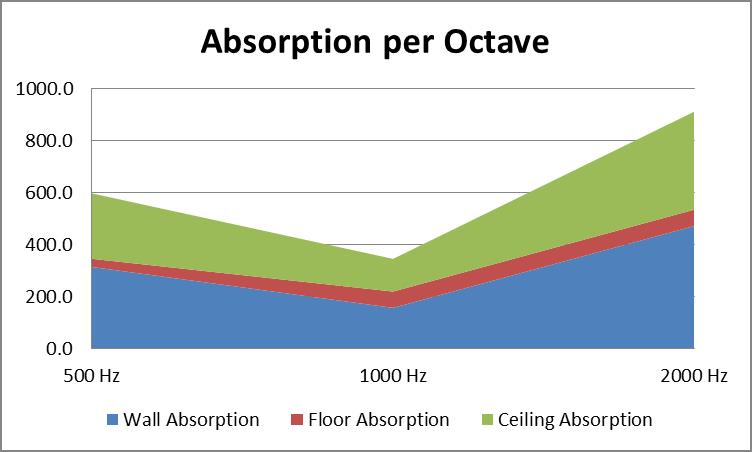
A more advanced analysis requires looking at specific frequency bands, often broken down into the 1/3rd octave bands. This is often required for auditoriums and other performance venues that may have more specific requirements.

Walker Peek|Founder & CEO, Commercial Acoustics
Walker founded Commercial Acoustics in 2013 to bring aerospace-grade engineering discipline to soundproofing, and runs the firm as CEO from its 12,000 sq ft Tampa production facility. The company designs custom acoustic panels, sound membranes, and masking systems for multi-family, hospitality, healthcare, and commercial projects across the US — built around Walker’s invention, Wall Blokker, an EVA-based sound barrier that hits STC 50-plus at roughly $1 per square foot installed.
A Jacksonville native, Walker spent five years at Kennedy Space Center with Craig Technologies before founding Commercial Acoustics — certifying aerospace manufacturing to the AS9100 standard and leading Six Sigma Black Belt process-improvement teams on NASA programs. He is a certified Industrial Noise Control Engineer and the author of Architectural Acoustics: A Practical Handbook.
