

Performing-arts acoustic upgrade during a full Chapin Theater renovation at the Orange County Convention Center in Orlando — 10,000 SF of fabric-wrapped wall panels installed alongside KMF Architects and Whiting-Turner.

28
Jan
Jan
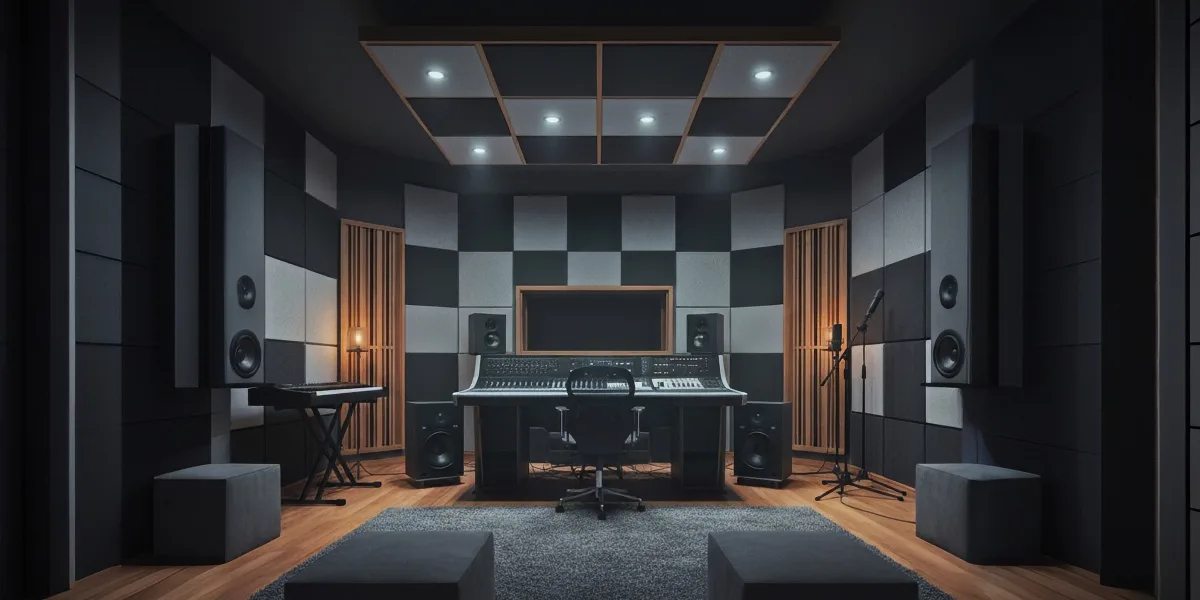
Why windows are the weak link in nearly every building envelope — what laminated glass and proper IGU spec actually buy you, how STC and OITC differ here, and the realistic upgrades by site type.
25
Jan
Jan
The materials that actually absorb sound — fiberglass, mineral wool, PET felt, foam, fabric-wrapped panels — with NRC values, where each works, and the cost/performance tradeoffs that decide what you specify.
Case Studies
Soundproofing Walls for Healthcare Facilities: Yukon-Kuskokwim Health Corporation in Alaska

22
Jan
Jan
STC 54 wall assembly engineered for the Yukon-Kuskokwim Health Corporation’s remote tribal healthcare facility in Bethel, Alaska — delivering hospital-grade soundproofing with reduced framing weight, labor, and shipping cost for Davis Constructors.

22
Jan
Jan
Campus-wide acoustic renovation at Lakes Church in Lakeland — 98,000 SF of acoustic ceiling tile, wall panels, and stretched fabric walls taming reverb for clearer speech and tighter live worship across the sanctuary and education spaces.
20
Jan
Jan
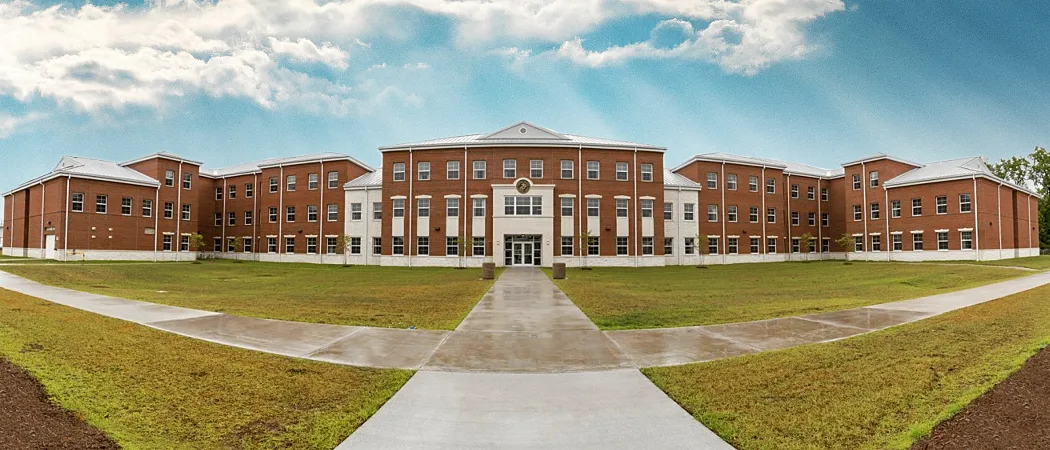
Acoustic treatment for NAVFAC’s engineering hub at Camp Lejeune — ceiling tiles, ceiling clouds, and wall panels lifting speech clarity across open-plan Navy workspaces built for high-intensity command operations and coordination.
Case Studies
Acoustic Ceiling Diffuser Install for a Music Building: Polk State College in Winter Haven, FL
15
Jan
Jan
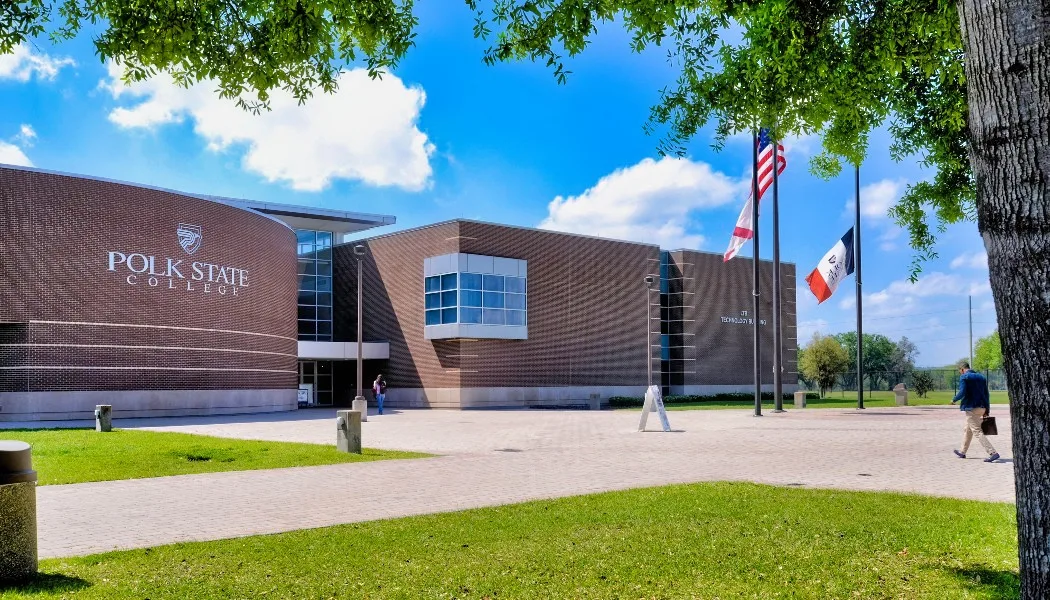
20,000 SF of ceiling diffusers and acoustic panels engineered with Siebein Acoustical Consultants inside Polk State College’s renovated Arts & Music Building — tuning sound clarity for rehearsal halls, classrooms, and faculty studios.
14
Jan
Jan
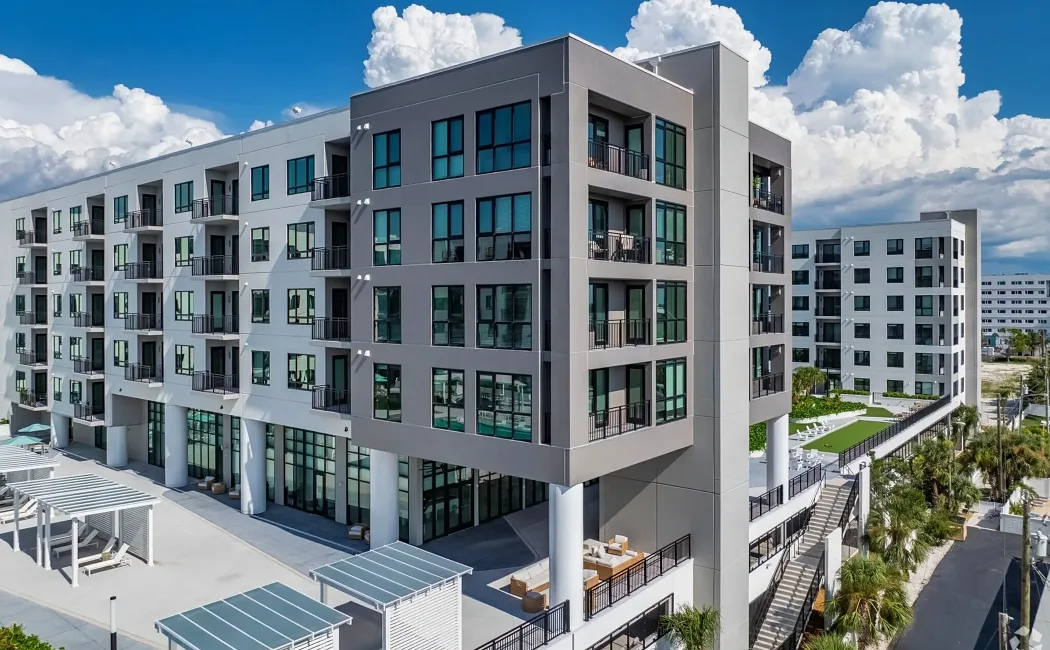
USG metal ceiling baffles installed across the lobby and sky lounge of Skanska’s 700-unit Marina Club Apartments in downtown St. Petersburg — controlling echo in two of the building’s most heavily trafficked luxury amenity spaces.
05
Jan
Jan
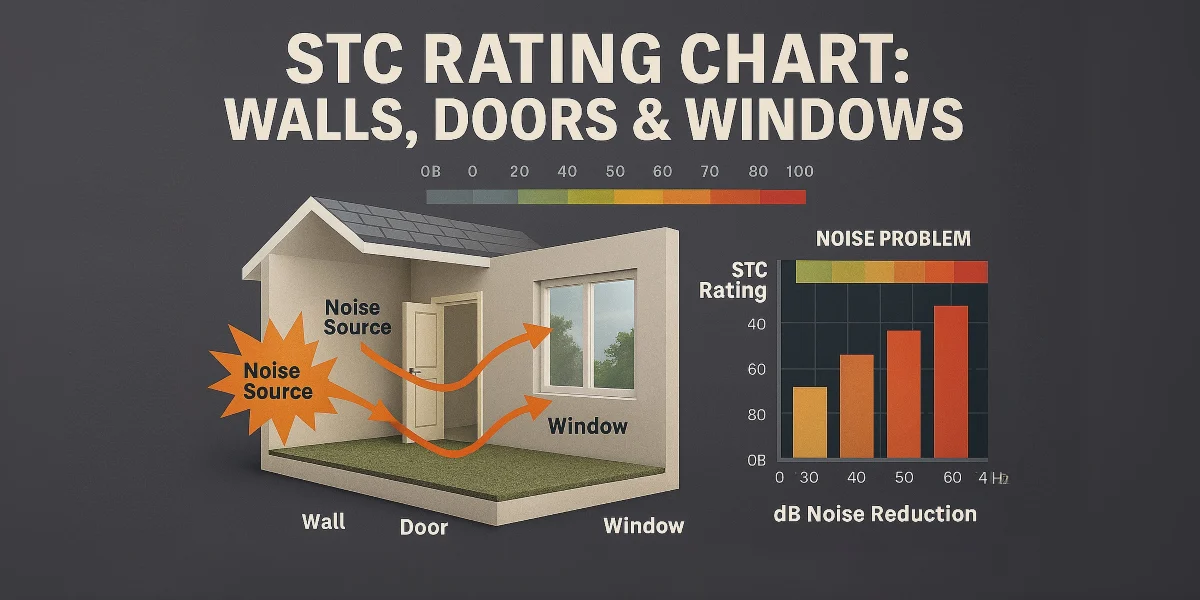
What STC ratings really mean across walls, doors, and windows, the assemblies that hit common targets (STC 35 to 60+), code minimums by building type, and the lab-to-field penalty that catches projects off guard.
09
Aug
Aug
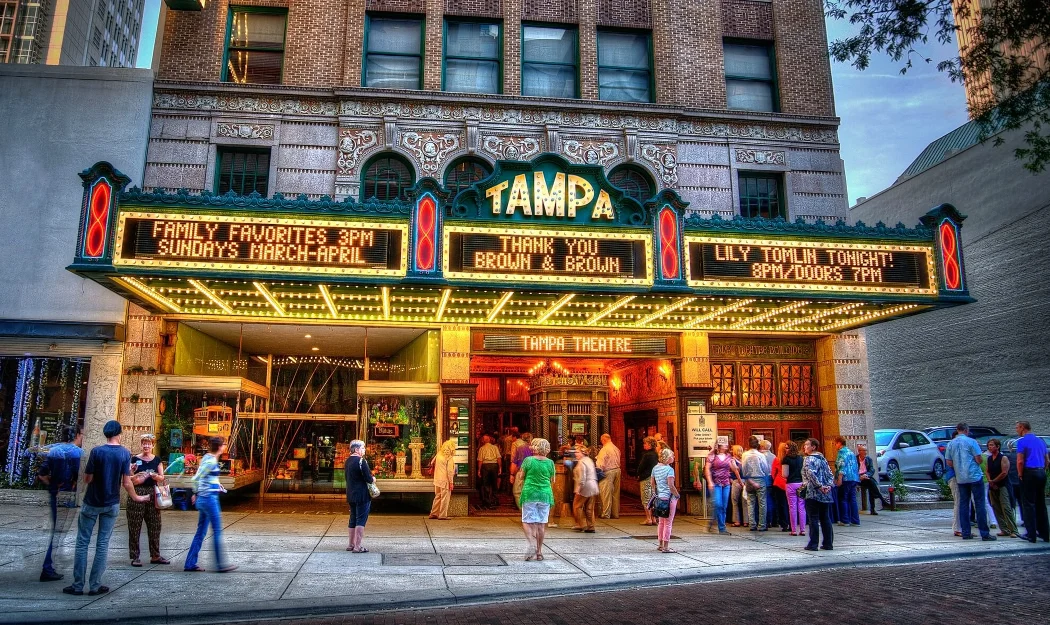
Acoustic design for a new 42-seat screening room inside the century-old Tampa Theatre — 2,550 SF of stretched fabric, embossed felt panels, and fiberglass low-frequency control woven into John Eberson’s atmospheric original architecture.