
Table of Contents
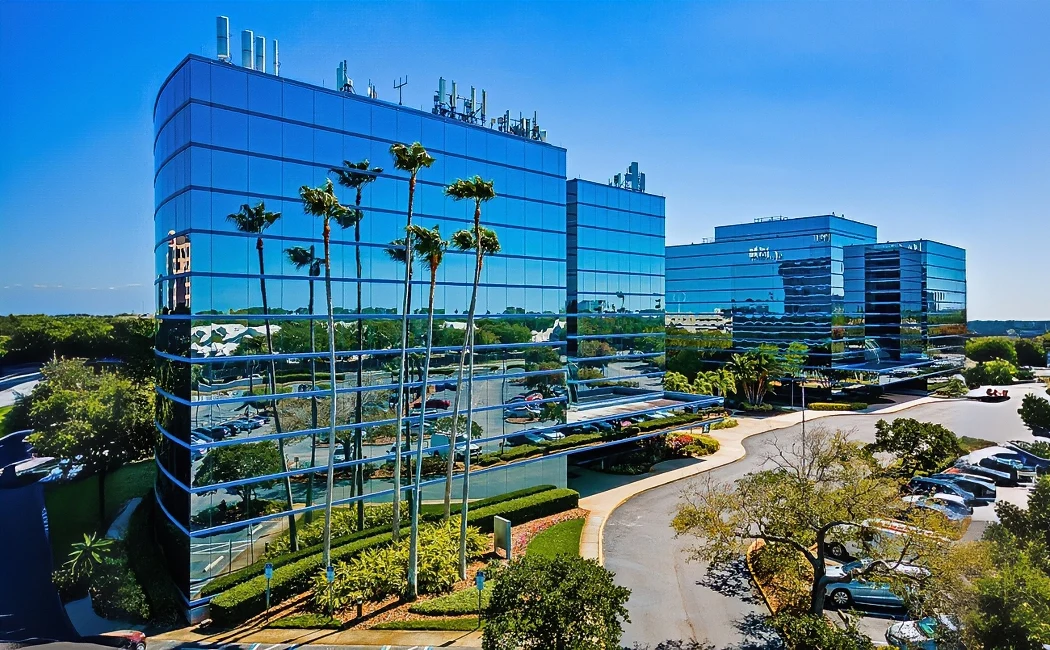
Project Overview: Professional Soundproofing at iHeart Media Clearwater
- Project: Radio Station Acoustic Buildout
- Address: 13577 Feather Sound Dr, Suite #6, Clearwater, FL 33762
- Facility Type: Commercial Recording & Broadcast Studios
- General Contractor: Internal iHeart Media Engineering Team
- Objective: Deliver Low-Reverberation Spaces for High-Fidelity Recording
- Scope: Stretched Fabric Walls, Acoustic Ceilings, Cloud-Mounted ACT
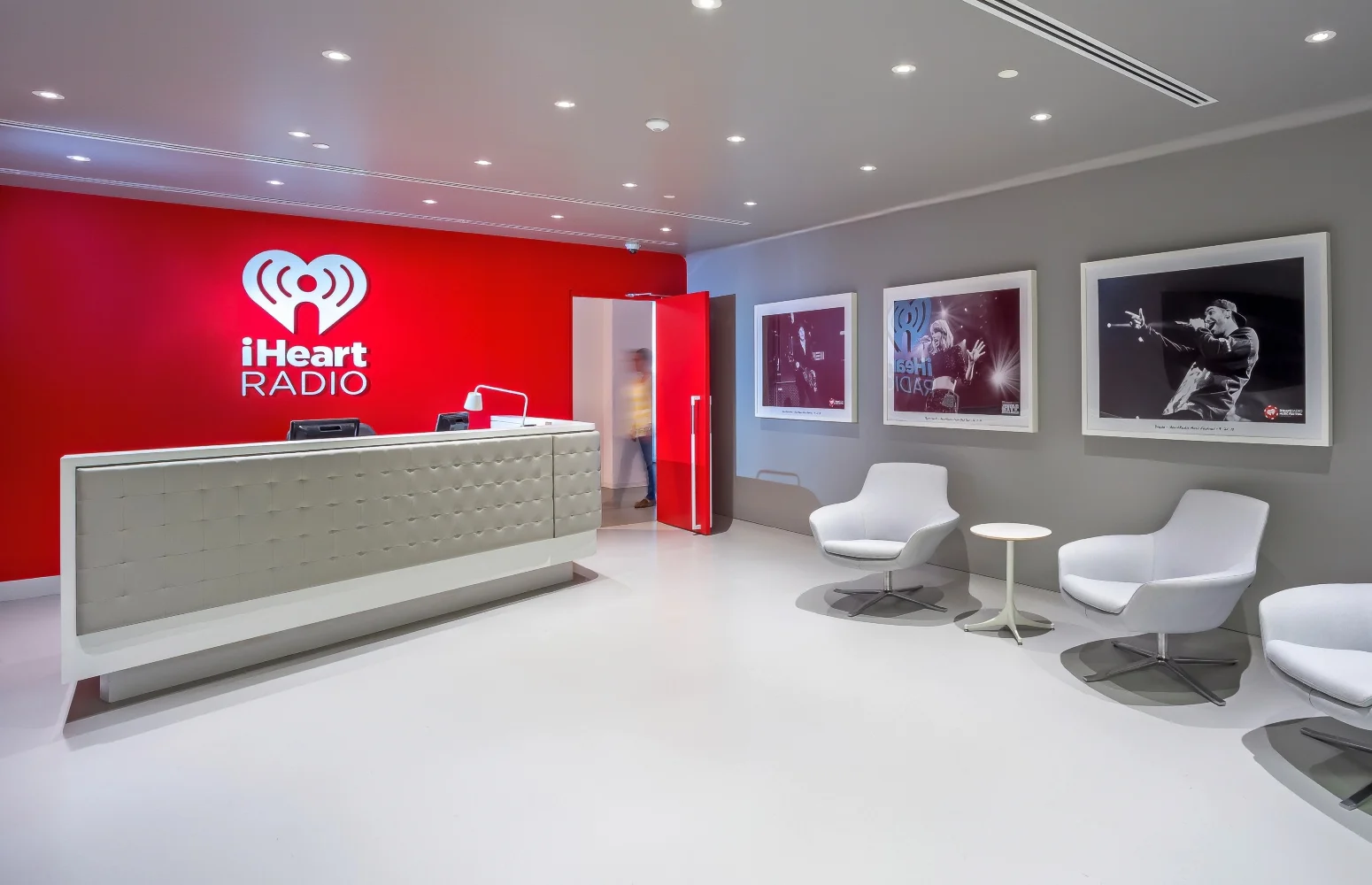
When iHeart Media launched their new Tampa-area headquarters, the stakes were high. As one of the nation’s largest digital broadcast networks, their Clearwater facility needed best-in-class acoustics across more than 30 radio station studios, editing rooms, and support offices. The goal: flawless sound quality in every corner of the building.
To meet these rigorous requirements, Commercial Acoustics was brought in to furnish and install custom soundproofing systems — from broadband-absorbing fabric walls to high-NRC acoustic ceilings. With over 20,000 square feet of space to treat and a tight three-week timeline, coordination was critical. Despite early permitting delays, our team delivered the full scope on schedule, allowing the engineering crew to commission IT systems without compromise.
Design Objectives & Acoustic Goals
- Low Reverberation: Studios Targeted Under 0.5 Seconds RT60
- Speech Clarity: Absorption Balanced Across Speech Frequencies
- Professional Soundproofing: Eliminate Echo, Reverb, & Cross-Room Noise Bleed
- Architectural Finish: Match Branding & Interior Design Requirements
Every surface in a radio station matters — floors, ceilings, walls, even fixtures. In a high-performance environment like iHeart Media, stray reflections or minor sound bleed can compromise content quality. To combat that, we developed a treatment plan centered around professional soundproofing principles tailored to studio-grade audio performance.
Our system design focused on precise reverb control, particularly in the 125–4000 Hz range, to preserve voice quality while minimizing ambient coloration. We also had to ensure every acoustic product used would fit seamlessly with the architectural intent, whether floating ceilings or sleek fabric-wrapped wall panels.

Stretch Fabric Walls for Broadband Absorption
- Broadband Coverage: 1″ & 2″ Fiberglass Cores Absorb All Voice Tones
- Wall Balance: Each Studio Used Mixed Panel Thicknesses for Control
- Custom Layout: Strategic Placement on Opposing Walls Enhanced Coverage
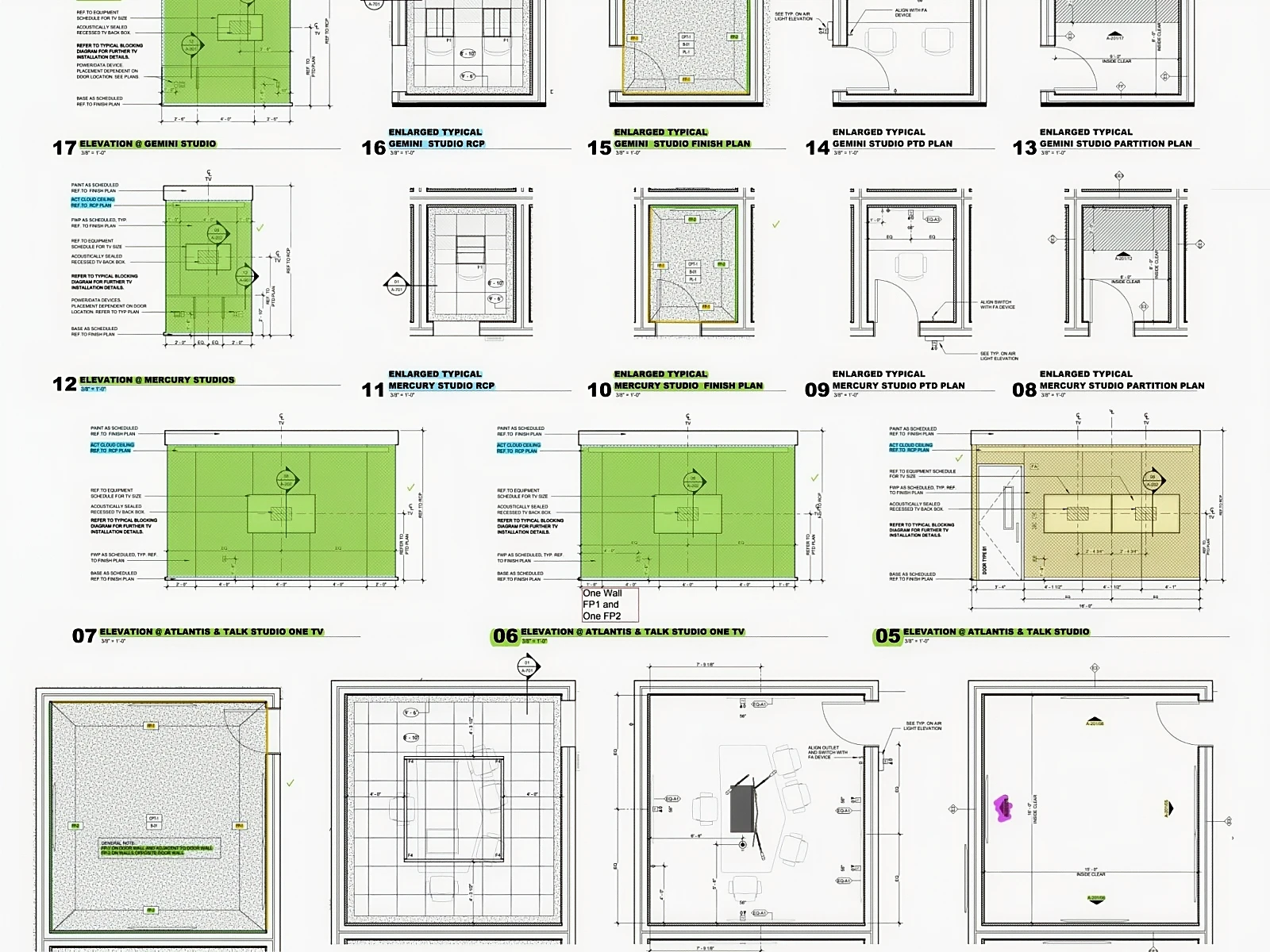
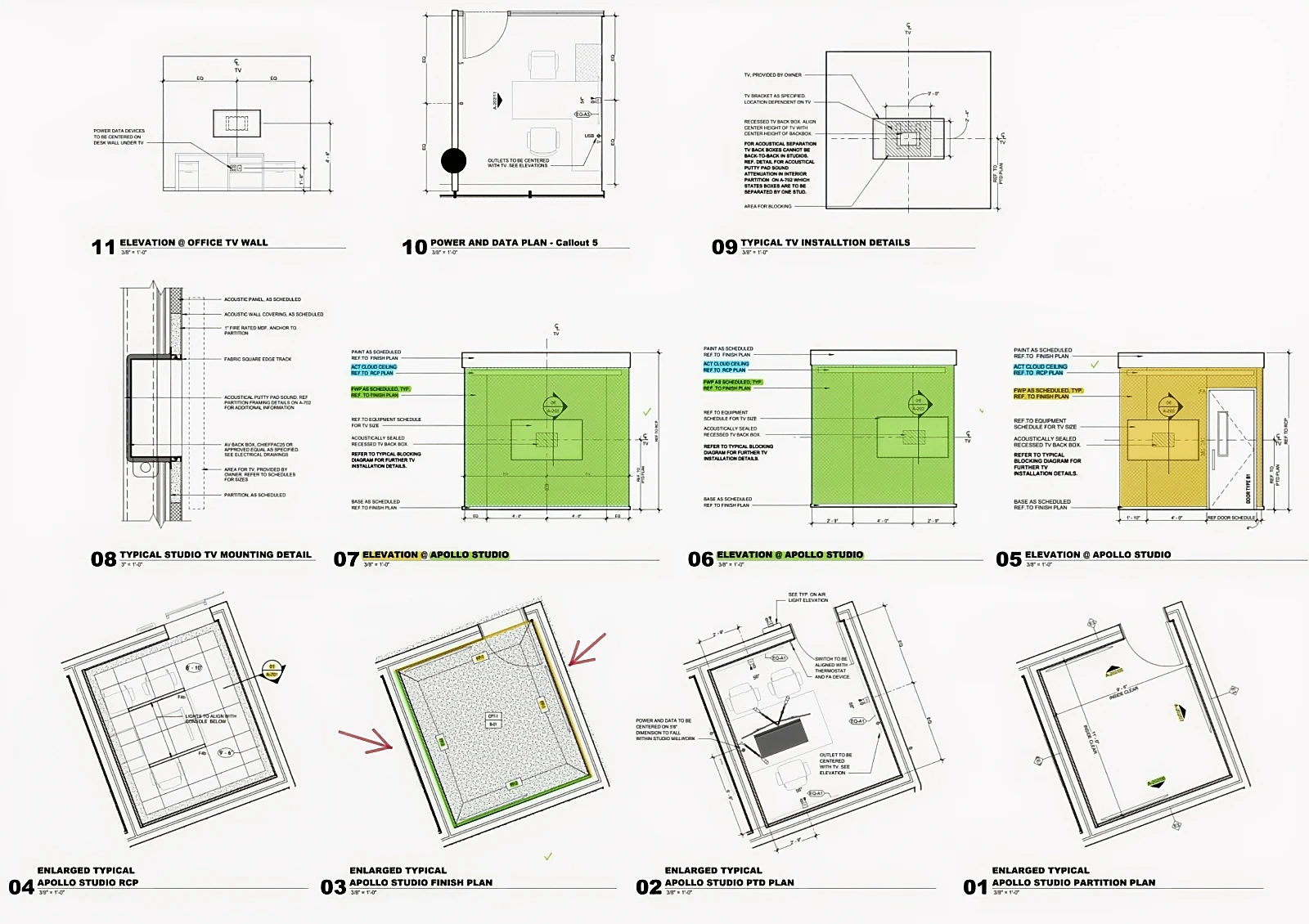
The signature feature of the iHeart Media buildout was the wall-mounted stretch fabric panel system, used in every recording room. On two walls, we installed one-inch fiberglass panels, while the adjacent two walls featured two-inch fiberglass to capture lower frequencies. This staggered design ensures broadband performance — reducing both flutter echo and mid-bass buildup.
The result was a cleaner vocal presence and reduced coloration, allowing producers to record and edit content with minimal post-processing. With over 30 treated spaces, from small booths to large control rooms, the consistency of installation was key to achieving uniform sound quality throughout the facility.
Acoustic Ceiling Treatments & Floating Clouds
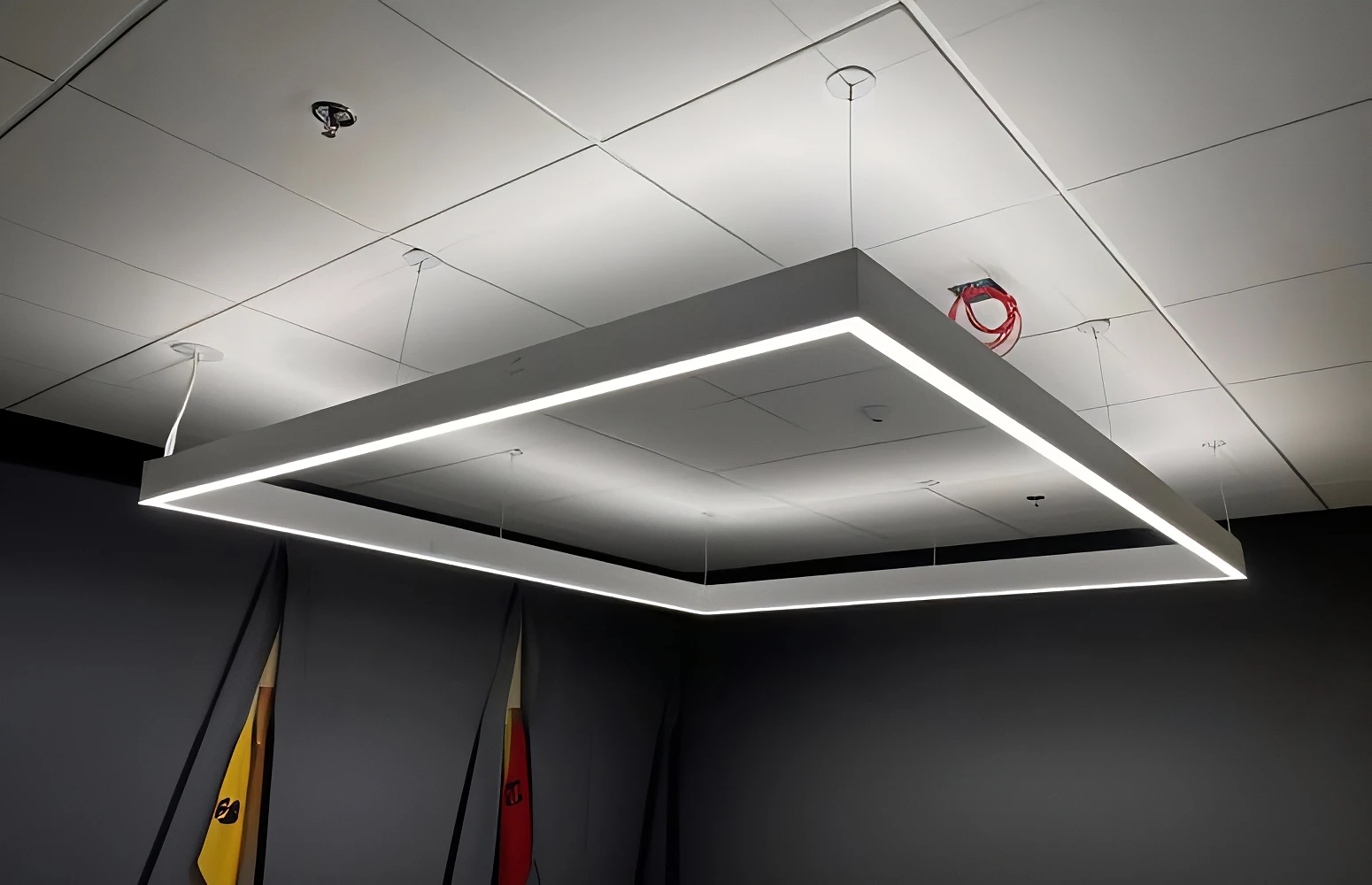
- Ceiling Clouds: Suspended ACT Tiles Reduced Overhead Reflections
- Perimeter Detail: Axiom Trim Created Floating Effect with 6″ Reveals
- Core Fill: Fiberglass Above Tiles Improved Low-Frequency Absorption
In each studio, our team installed ceiling-mounted ACT (Acoustical Ceiling Tile) systems in a cloud configuration. These free-floating tile clusters were suspended from the slab and trimmed out with six-inch perimeter offsets, creating both visual distinction and acoustic functionality. Above the ceiling tiles, we added additional fiberglass to absorb sound that penetrated the tile layer.
The result was layered overhead absorption that removed harsh ceiling reflections while maintaining a clean, branded visual aesthetic. In contrast, ACT in common areas like restrooms, offices, and hallways followed standard installation with a conventional grid and wall interface — reserving the more detailed treatments for critical audio environments.

Coordination, Timeline, & Turnaround
- Expedited Install: Three-Week Timeline Despite Permitting Delays
- Fast-Track Execution: Acoustic Scope Completed Before IT Commissioning
- Collaborative Workflow: Coordinated Directly with Engineering Team
Given iHeart’s aggressive move-in deadline, the entire acoustic package — wall systems, ceiling tiles, and trim — was delivered on a fast-track schedule. Our installation began as soon as space access was granted, with material procurement and mobilization already in motion during the permitting phase.
We coordinated directly with iHeart’s internal engineering staff, ensuring that studio readiness aligned with IT commissioning. With zero tolerance for rework or delays, our experienced field crew sequenced installations by room cluster, allowing adjacent trades to complete electrical, IT, and finishes without trade stacking or site conflicts.
Why Professional Soundproofing Matters in Radio Studios
- Audio Fidelity: Clear Recordings Demand Tight Reverb Control
- Noise Isolation: Prevents Sound Bleed Between Studios & Rooms
- Brand Credibility: Flawless Acoustics Support Professional Standards
At a glance, the level of soundproofing in a modern radio station may appear excessive — especially with multiple layers of acoustic treatment per room. But in practice, every inch of absorption is essential. Voice recordings are unforgiving. Even a slight echo or low-frequency resonance can degrade production value.
That’s why we engineered every room at iHeart Media to meet or exceed studio-level acoustic benchmarks. The result? Reverb times at or below 0.5 seconds and consistent voice quality across every room — from morning show booths to post-production suites. With their brand built on quality content, iHeart couldn’t afford to compromise.
Project Takeaways & Acoustic Insight
This project for iHeart Media shows what’s possible when professional soundproofing is prioritized from day one. For architects and general contractors tasked with designing or renovating media environments, this buildout is a model of precision execution. Acoustic treatments weren’t a last-minute add-on — they were fundamental to the design and performance of every room.
From fast-paced installation schedules to close coordination with in-house engineering teams, we’ve seen firsthand how proactive acoustic planning can eliminate delays and ensure long-term studio success.
Looking to elevate your next radio station or recording suite? Reach out to our team today to create a space where sound quality drives results.
FAQs: Professional Soundproofing & Radio Station Acoustics
What kind of professional soundproofing is best for a radio station?
The best soundproofing for a radio station includes high-NRC stretch fabric walls, cloud-style ACT systems, and fiberglass fill above the tiles. These combined solutions control reverb and prevent sound transfer between rooms.
How do stretch fabric walls help with soundproofing?
Stretch fabric walls absorb a wide range of frequencies. At iHeart Media, one-inch and two-inch fiberglass cores were used to reduce both high-frequency echo and low-frequency buildup.
Can cloud ceiling tiles really make a difference in recording rooms?
Yes. Floating ceiling tiles reduce overhead reflections, which are critical in studio settings. When paired with additional fiberglass above the tiles, they significantly improve low-frequency performance.
How early should acoustic planning begin in a radio station buildout?
Acoustic planning should begin during early design. Integrating soundproofing before MEP and finishes ensures smoother coordination and better acoustic outcomes across the project.
