Table of Contents
What Is the Sound Absorption Coefficient
- Definition: Measures how much sound energy a surface absorbs instead of reflecting.
- Scale: Ranges from 0 (no absorption) to 1 (complete absorption).
- Purpose: Used to predict echo, reverberation, and overall acoustic comfort.
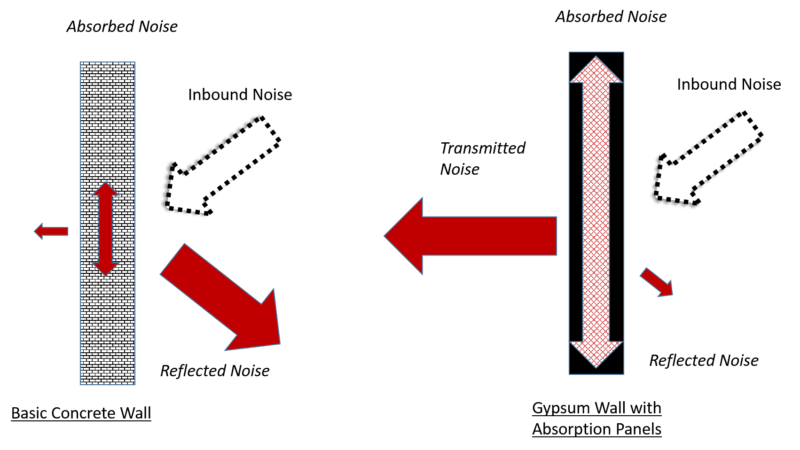
The sound absorption coefficient quantifies how effectively a surface converts sound energy into heat. Materials with higher coefficients reduce echo and improve speech clarity in offices, schools, and hospitality spaces. It’s one of the key metrics used by architects and acoustic consultants when designing comfortable interior environments optimized for sound control and performance.
What Is Sound Absorption
- Physical Process: Sound waves hit a surface and lose energy as they move through it.
- Conversion: The motion of air particles turns into heat within the absorbing material.
- No Contact: If sound doesn’t meet a surface, it’s gradually absorbed by the air itself.
Soft, porous materials like acoustic panels, fabric walls, and ceiling clouds absorb sound by trapping air movement inside. Hard surfaces such as glass, metal, and concrete reflect most sound energy—causing echo and reverberation that can make spaces harsh or noisy. Sound absorption is critical in controlling speech intelligibility and creating balanced acoustics in modern building design.
How Much Sound Absorption Do You Need
- Reflective Rooms: Gyms, lobbies, and offices with concrete or glass surfaces need more absorption.
- Absorptive Finishes: Curtains, carpet, and acoustic panels dramatically reduce echo.
- Large Rooms: Bigger volumes require more surface coverage to control reflections.
The ideal amount depends on your target reverberation time, or RT60. Adding more absorptive finishes lowers RT60 and creates balanced acoustics. For help determining coverage, visit our guide on How Much Sound Absorption Do You Need and learn how it ties into RT60 Rating 101. Understanding both helps you design sound-optimized rooms that meet acoustic comfort goals.

What Is a Good Sound Absorption Coefficient
- 0.00–0.20: Very reflective (drywall, glass, concrete).
- 0.30–0.60: Moderate absorption (wood panels, ceiling tiles).
- 0.75–1.00: High absorption (acoustic foam, fabric panels, insulation).
For most commercial interiors, materials above 0.75 are considered high performing. If a room feels echoey, adding acoustic panels or other porous finishes will raise the overall absorption coefficient and noticeably improve comfort. See our Acoustic Absorption Panels for examples of products that deliver consistent, tested results. Selecting the right mix of materials helps achieve desired noise levels and clarity in busy or open-plan environments.
How to Improve Sound Absorption
- Use Porous Materials: Thicker, lighter materials with air gaps absorb better.
- Add Surface Treatments: Acoustic panels, ceiling clouds, and wall baffles increase total absorption area.
- Mount Properly: Leave a small air gap behind panels for higher efficiency.
Performance depends on both the material and its installation method. The right combination of surface finishes, panel placement, and coverage defines how quickly sound decays in a space. Properly mounted acoustic panels or ceiling treatments not only enhance absorption but also improve aesthetics and overall occupant comfort in commercial, hospitality, and educational projects.
Key Acoustic Terms
- Absorption: Conversion of sound energy into heat within a surface.
- Echo: A distinct reflection heard more than 1.5 seconds after the original sound.
- Reverberation: A buildup of many reflections that slowly decay over time.
Understanding these principles helps you design balanced, comfortable interiors that meet acoustic performance goals and code expectations. By mastering key terms like absorption coefficient, NRC, and reverberation, you can make informed decisions that shape the acoustic quality of any space.
Conclusion: Designing Spaces That Sound Better
Sound absorption coefficients help predict how materials will perform in real spaces. By combining hard and soft finishes, designers can achieve both visual appeal and proper acoustic balance. Even small changes—like adding ceiling clouds or fabric panels—can dramatically reduce echo and improve speech privacy.
Commercial Acoustics partners with builders, architects, and developers nationwide to design and deliver tested solutions that achieve ideal absorption and sound control in every project. Optimizing absorption early in design ensures long-term performance, comfort, and client satisfaction.
FAQs: Sound Absorption Coefficient
Is 0.95 NRC good?
Yes. An NRC of 0.95 means the surface absorbs 95% of the sound energy that hits it—excellent for spaces needing quiet and clarity. NRC values this high are common in professional studios, theaters, and classrooms designed for acoustic control.
What is the formula for sound absorption?
The absorption coefficient (α) equals absorbed energy divided by incident sound energy. It’s determined through reverberation chamber testing and used to calculate overall room absorption and RT60 performance.
Can any object absorb 100% of sound?
No. A coefficient of 1.0 represents total absorption, but no practical construction material achieves this. Only specialized anechoic chambers or engineered test surfaces can absorb nearly 100% of sound energy.
What does NRC 0.8 mean?
It means 80% of sound energy is absorbed and 20% reflected. NRC 0.8 is an excellent rating for offices, classrooms, and open spaces where reducing echo and improving clarity are key design goals.
Can Commercial Acoustics help me achieve my ideal sound absorption coefficient?
Yes. Our team provides tested acoustic materials, design consulting, and field data to help clients meet their ideal sound absorption and NRC targets. We work across multifamily, office, and institutional projects nationwide to deliver consistent, proven acoustic results.